


How Many Treatments Does a Tattoo Usually Need?
Quick answer: there is no fixed number of laser tattoo removal sessions. Many tattoos require several treatments, but ink color, density, age, location, skin type, device wavelength, and healing response can change the plan after every session.
I have seen clinics lose patient trust by quoting a precise session number before assessing the tattoo. A small, faded tattoo may respond very differently from a dense cover-up with mixed inks. The responsible approach is to give a realistic range, review the response, and revise the plan rather than promise a fixed result.
This guide is for clinic owners and operators using professional tattoo removal systems. It is not a guarantee of outcome and does not replace medical assessment, device training, or local regulations.
Why is there no single session number?
Short answer: laser tattoo removal is a staged process. Each treatment breaks down a portion of ink particles, and the body clears those particles over time. The number of sessions depends on how much ink is present and how the skin responds.
Laser energy targets pigment in the tattoo. The ink particles absorb energy, fragment into smaller pieces, and are gradually cleared by the body’s immune response. This process does not finish in the treatment room.
Some ink may lighten quickly, while other areas remain stubborn. A clinic should treat session planning as an estimate that is updated after healing. Patients should understand that the final number may be higher than the first estimate.
Which tattoo factors change the treatment plan?
Short answer: the most important factors are ink density, tattoo age, location, color mix, scarring, skin type, and whether the tattoo was previously treated.
Ink density and coverage
A light, single-pass tattoo is usually easier to assess than a dense cover-up. Multiple layers of ink or a large solid area may require more gradual treatment.
Tattoo age
Older tattoos can fade naturally, but old ink is not always easier. The clinic still needs to assess depth and pigment response.
Body location
Skin thickness, circulation, friction, and lymphatic drainage differ by location. Hands, feet, and lower legs may respond more slowly than other areas.
Scarring and previous treatments
Raised areas, previous burns, or a history of poor healing require caution. A tattoo that has already been treated may have scar tissue or mixed residual pigment.
Skin type
Patients with more epidermal melanin need careful wavelength selection and conservative settings. The goal is to target tattoo pigment without creating unnecessary injury to surrounding skin.
How do ink colors and wavelengths affect sessions?
Short answer: different colors absorb laser wavelengths differently. A clinic needs wavelength coverage that matches the patient’s tattoo rather than forcing every tattoo into one setting.
Professional systems commonly use wavelengths such as 532nm, 755nm, and 1064nm. These wavelengths are not interchangeable. Dark inks often respond to deeper-penetrating wavelengths, while some brighter colors require different absorption characteristics.
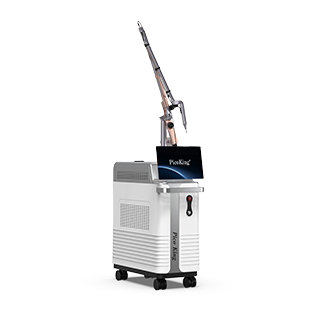
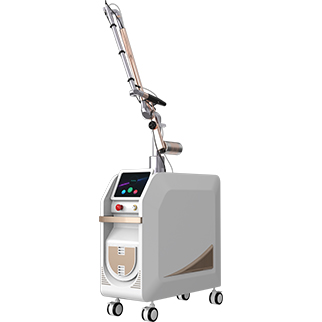
The EL950 picosecond tattoo removal platform is designed for professional clinics, but the operator still needs a treatment plan based on the actual ink and skin.
Winkonlaser was founded in 2012 and exports equipment to 120+ countries. That experience is useful only when the device is supported by training, service, and a clinic protocol that allows the operator to revise the treatment plan as the tattoo changes.
Mixed-color tattoos are a common reason estimates change. A patient may see strong fading in one section and little change in another because the ink chemistry and wavelength response differ. The clinic should photograph and document each area separately.
How long should clinics wait between treatments?
Short answer: wait until the skin has recovered and the clinic has reviewed the response. The interval is not simply the earliest date the calendar allows.
Ink clearance continues after the visible recovery phase. Treating again before the skin is ready can increase irritation and make the response harder to assess. The clinic should inspect the area, ask about blistering or pigment change, and compare current photos with the previous session.
The treatment plan should consider the tattoo location and the patient’s healing history. A conservative interval protects the skin and gives the clinic better information for the next setting.
Patients should not schedule another session on their own because the tattoo still looks dark. A dark area may still contain ink that is being cleared.
What should patients expect after each session?
Short answer: temporary redness, swelling, tenderness, and possible pinpoint marks can occur. The clinic should explain the expected response and provide written aftercare.
The patient should not pick crusts, scrub the area, or use unapproved products. Sun protection matters, especially when the skin barrier is open or recently healed.
For detailed patient instructions, link to the live laser tattoo removal aftercare protocol. It covers discharge instructions, warning signs, documentation, and follow-up.
When should a clinic change the plan?
Short answer: change the plan when the expected response does not appear, a complication develops, or the tattoo contains ink that needs a different wavelength.
Do not respond to slow fading by simply raising energy without review. Slow response can mean the wavelength is not well matched, the ink is deep or dense, the patient is healing slowly, or the interval is too short.
The clinic should compare photos taken under consistent lighting and document which areas changed. If one color is responding and another is not, the next session may need a different wavelength combination or a more conservative approach.
Laser tattoo removal is not suitable for every patient or every tattoo. The clinic should stop and reassess when the skin shows excessive injury, infection, or pigment change.
The first review should be treated as a new clinical decision, not as an automatic countdown. A treatment plan that remains identical after every session ignores the information the skin is providing.
What are the contraindications and safety limits?
Short answer: active infection, open skin, recent sun exposure, pregnancy, photosensitizing medication, a history of keloid scarring, or poor healing may require delay or clinical review.
Tattoo ink can also contain materials that the clinic cannot identify. The operator should not promise complete removal or a fixed number of sessions. Some tattoos may retain faint pigment, texture change, or a visible outline after treatment.
Patients with darker skin need a conservative plan and clear pigment monitoring. The clinic should not assume that a high-energy setting is more effective. Wavelength selection, pulse duration, spot size, cooling, and operator technique all matter.
Only DM60 and DM40P are described as FDA 510(k) cleared under K241860. Picosecond tattoo removal systems are CE MDD and ISO 13485 only. Clinics must not make unauthorized FDA claims for the EL950 or other picosecond models.
How should clinics explain cost and expectations?
Short answer: quote the assessment, treatment area, healing review, and follow-up process. Do not sell a fixed package as if every tattoo requires the same number of sessions.
The clinic can explain that the package covers a planned number of treatments, but the final result may need more sessions. Patients should understand what happens if the tattoo responds slowly or if a different wavelength is required.
For a business model, read tattoo removal package pricing for clinics. Pricing should include consultation, treatment time, aftercare support, and follow-up, not only laser pulses.
FAQ
Q: Can a tattoo be removed in one session?
A: Complete removal in one session is not a realistic promise for most professional tattoos. Some light or faded tattoos may respond quickly, but the clinic should revise the estimate after healing.
Q: Do darker tattoos respond faster?
A: Dark ink often absorbs laser energy well, but density, depth, and skin response still matter. A dark cover-up can require many sessions.
Q: Does a picosecond laser guarantee fewer sessions?
A: No. Picosecond technology can fragment ink effectively, but the number of sessions still depends on the tattoo and the patient’s response.
Q: Why does one color fade faster than another?
A: Different pigments absorb different wavelengths. A mixed-color tattoo may need more than one wavelength or a revised treatment plan.
Q: Can patients exercise after treatment?
A: The clinic should assess the area and give guidance based on the skin response. Friction, heat, and contamination can delay healing.
Q: What are the warning signs after treatment?
A: Increasing pain, spreading redness, pus, fever, large blisters, or worsening skin injury need prompt clinical review.
Q: Who should not be treated without review?
A: Patients with active infection, open skin, recent sun exposure, pregnancy, photosensitizing medication, keloid history, or poor healing may need delay or medical assessment.
A practical planning standard
Document the tattoo, ink colors, skin type, device settings, immediate response, aftercare, and follow-up. Give a range instead of a guarantee. Compare photos before recommending the next session.
If you need help reviewing a professional tattoo removal workflow, read the picosecond laser maintenance and operating cost guide and then contact Winkonlaser to discuss wavelength coverage, training, service, and device support.