


How to Price Tattoo Removal Packages for Your Clinic
Table of Contents
Quick answer: tattoo removal pricing moves on four things: the size of the ink, the colors involved, the number of sessions the tattoo will realistically need, and what each session costs you to deliver. Work out your own delivery cost first, then set the public price on top of it.
You are adding tattoo removal to a clinic menu, and the first question is not which machine to buy. It is how to set a per-session and package price that covers the equipment, the staff time, and the consumables without pricing yourself out of the local market. Get this wrong and a good machine still produces thin margins.
Most clinics start with a size band, adjust up for difficult colors, and sell multi-session packages because the treatment itself is rarely finished in one visit. I have seen operators copy a competitor’s per-session number and then lose money on large, multi-color pieces. The safer order is to work out your own delivery cost first, then set the public price on top of it.
What Drives a Tattoo Removal Price?
The direct answer is that price follows size first, then color, then session count. A small black line tattoo costs less to treat than a large color piece on the same arm, even though both use the same machine. That is why a single flat price per session almost never works across a whole clinic.
Most clinics use a size band such as small, medium, and large, measured by the area of ink rather than by body part alone. Some also quote per square inch, which works well for dense cover-up pieces but confuses clients on small pieces. A size band with a written color adjustment is usually the cleanest system for staff to apply.
What Should Each Session Cost You to Deliver?
Work out the delivery cost before you set the public price. The main items are machine amortization, consumables, staff time, and the room. For a picosecond machine, the equipment line depends on which class you buy.
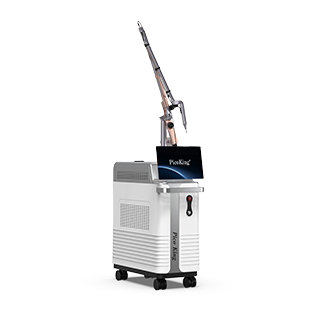
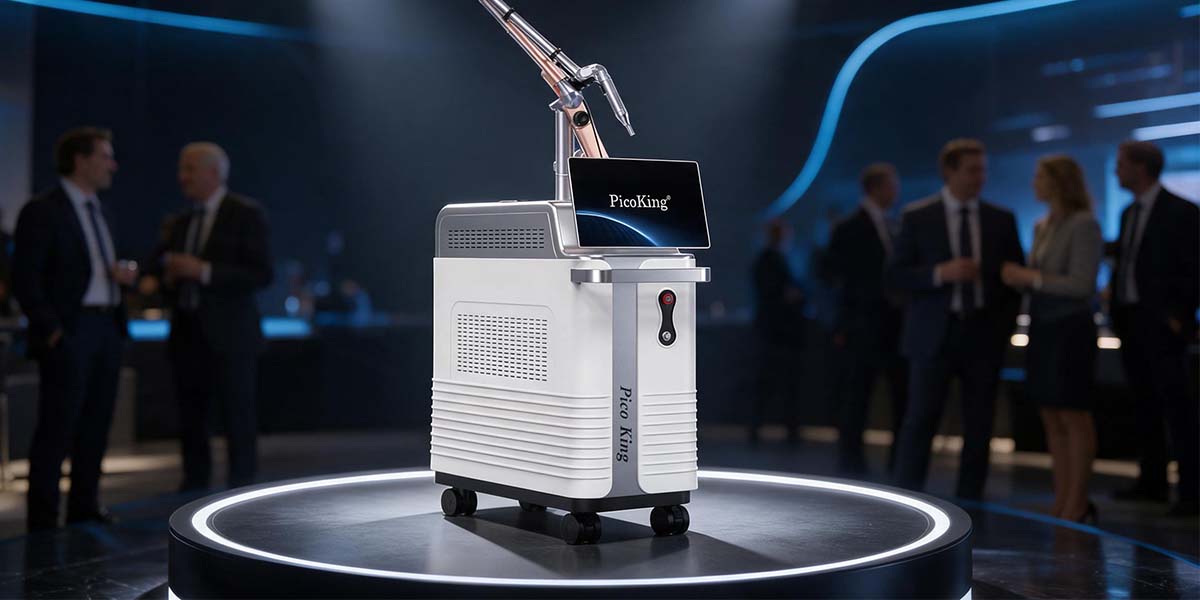
On the Winkonlaser tattoo removal category page, the PicoKing EL950 lists from about $6,900 to $9,900, while portable pico and ND:YAG entry machines list from about $1,500 to $3,000. A flagship unit like the EL950 runs 350ps pulses across 532nm, 755nm, 1064nm, and 1320nm wavelengths, with 5000W power and a 2 to 10mm adjustable spot. An entry ND:YAG costs less up front but treats fewer colors efficiently, so the machine class changes how you price color work. For a fuller breakdown of what a picosecond machine costs, see the 2026 picosecond machine cost guide.
Amortize the machine over a realistic session volume, not a best-case month. If a $9,000 unit delivers 1,500 sessions before you consider replacing or upgrading it, that is about $6 per session in equipment cost before staff, consumables, and overhead. In my experience, operators underestimate that line because they count only the invoice price and forget the useful life.
Add disposable barriers, cooling supplies, cleaning, and the staff member’s time. A session that takes 20 minutes still needs setup, consultation, and documentation, so price the full appointment, not the laser-on time. If your all-in delivery cost is $35, a $75 single session is workable; a $40 session is not.
How Many Sessions Should You Build Into the Quote?
Plan for a range, not a promise. Picosecond machines typically clear most tattoos in 2 to 6 sessions depending on ink concentration and color. Black ink on the right wavelength can go faster, while stubborn blue and green often sit near the upper end of that range.
Build the range into the package so the client understands it is a process. A quote for a large multi-color piece should assume 4 to 6 sessions; a small black tattoo might be 2 to 4. When the number is uncertain, say so and re-check progress after the first sessions instead of guaranteeing a count up front.
Should You Sell Single Sessions or Packages?
Packages usually fit this treatment better than single sessions. The comparison below shows why.
| Pricing model | Cash flow | Client commitment | Price per session | Best fit |
|---|---|---|---|---|
| Single session | Paid each visit | Low, clients can stop anytime | Higher to cover no-show risk | First visit, small pieces, clients who are testing the clinic |
| Package of 3 to 6 | Paid up front or in installments | High, drives completion | Lower per session, better margin overall | Large or multi-color pieces, most routine cases |
| Per square inch | Billed by area | Medium | Higher for dense pieces | Cover-ups and large custom work |
Single sessions protect you when a client may not return, but packages fund the machine faster and keep clients on the schedule. A common structure is to price a single session at the full rate and offer the package at a small discount per session, paid in advance.
How Do Ink Color and Skin Type Change the Quote?
Color changes both the wavelength and the time. On a four-wavelength picosecond machine, 532nm treats red, orange, and yellow; 755nm treats blue and green; 1064nm treats black and dark ink; and 1320nm is used for skin rejuvenation rather than ink. Multi-color tattoos need multiple wavelengths in one visit, which costs you time, so those pieces should carry a color adjustment.
Skin type changes the safety margin more than the price. The EL950 is marketed as safe for Fitzpatrick IV to VI skin, but the treating professional still sets the final settings. Darker skin can need lower fluence and more sessions, so build that into the expectation instead of surprising the client later.
If you are still choosing between picosecond and nanosecond or between machine classes, how to choose a laser tattoo removal machine walks through the main selection questions before you commit to a price list.
What Are the Honest Limits?
Tattoo removal is not guaranteed full clearance, and it is not for every client. Contraindications include pregnancy, active infection or open skin in the treatment area, a history of keloid scarring, recent tanning, and some medications that increase light sensitivity. The treating professional should screen each client and document that screening.
Be honest about what the machine does not do. Some ink colors, especially light pastels and certain cosmetic inks, may fade only partially. Results also depend on ink depth and the client’s immune response after treatment. A realistic clinic says “we will reduce it and re-assess” rather than promising a blank canvas.
Pricing Checklist
Follow these steps before you publish a tattoo removal price list:
-
List your true per-session delivery cost, including machine amortization, consumables, staff time, and room.
-
Set small, medium, and large size bands with a clear measurement rule.
-
Add a written adjustment for multi-color pieces that need extra wavelengths.
-
State a session range such as 2 to 6 instead of a fixed number.
-
Price the single session first, then discount the package per session for advance payment.
-
Screen for contraindications and record the screening before the first session.
-
Re-check progress every few sessions and adjust the plan when results differ from the estimate.
-
Confirm your machine’s certification boundary before you mention it to clients.
FAQ
Q: How do most clinics price tattoo removal?
A: Most use a size band such as small, medium, and large, then add a color adjustment for difficult or multi-color ink. A single session is usually priced higher, and packages of 3 to 6 sessions carry a lower per-session rate paid in advance.
Q: How many sessions does a tattoo usually need?
A: With a picosecond machine, most tattoos take 2 to 6 sessions depending on ink concentration and color. Black ink can go faster, while blue and green often need more sessions.
Q: What should a clinic charge per session?
A: Start with your delivery cost, not a competitor’s number. If your all-in cost is around $35, a $75 single session can work, but a $40 session will not. Large, multi-color pieces should sit above the base rate.
Q: Are Winkonlaser picosecond tattoo removal machines FDA cleared?
A: No. Picosecond machines such as the EL950 are CE MDD plus ISO 13485, not FDA cleared. ISO 13485 is a quality-management certification, not device clearance or registration.
Q: Can I quote the same price for every tattoo?
A: No. Size, color count, and expected sessions all change the cost. A flat price tends to undercharge on large multi-color work and overcharge on small black pieces.
Q: Should I sell single sessions or packages?
A: Packages usually fit tattoo removal better because treatment is rarely finished in one visit. They fund the machine faster and keep clients on the schedule, while single sessions protect you when a client may not return.
Set the Price on Top of a Known Cost
Set the public price on top of a known delivery cost, then let the package do the selling. Winkonlaser has manufactured aesthetic equipment since 2012, exports to more than 120 countries, and supports its machines with 15+ engineers and a two-year warranty on the main unit and handpiece.
If you are setting up tattoo removal pricing, start with the machine class and treatment count at the Winkonlaser tattoo removal machine category, compare the picosecond and nanosecond options, and then send your planned session volume through the contact page for a configured quote.