


What Does Picosecond Laser Maintenance Really Cost?
Most clinics compare picosecond laser prices as if the machine stops costing money after delivery. It does not: optical parts wear, cooling systems need care, and a handpiece that is out of service turns paid tattoo appointments into rescheduled ones.
What does picosecond laser maintenance actually include?
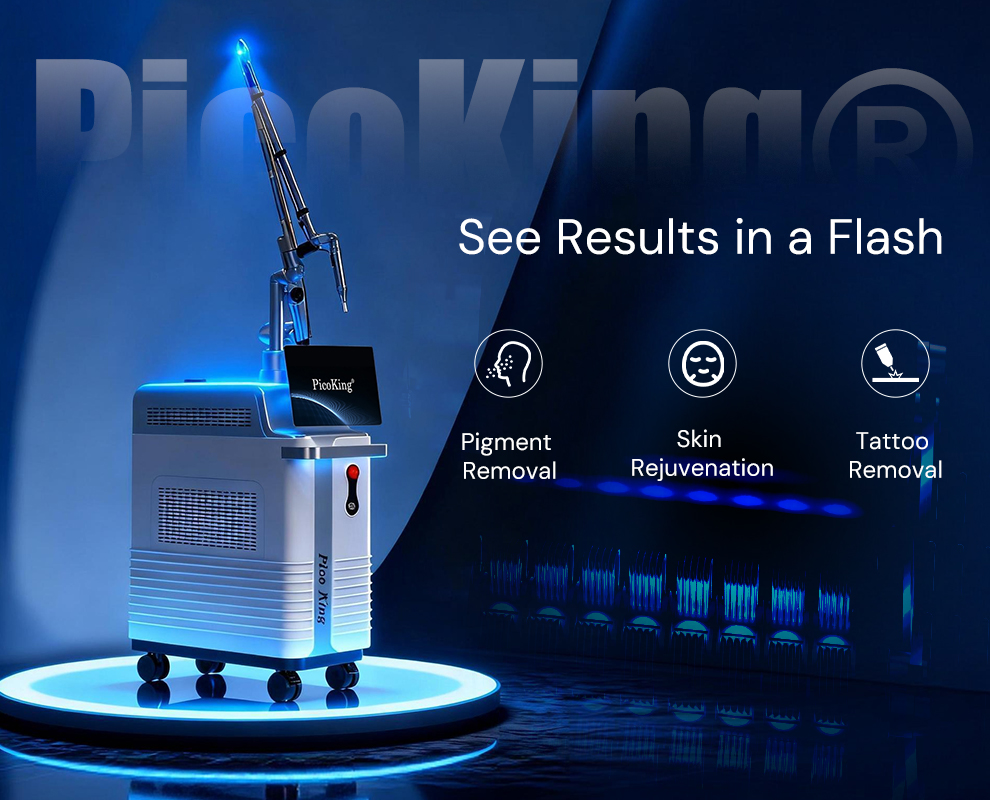
I’ve seen clinics treat a picosecond laser like a simple plug-in tool and then find that the handpiece, optical arm, cooling water, and air filters need scheduled attention. The EL950 picosecond tattoo removal laser is a useful reference because it exposes exactly those moving parts: 532nm, 755nm, 1064nm, and 1320nm wavelengths, a 350ps pulse, a 2mm to 10mm adjustable spot, and air plus water cooling. More wavelengths and a larger energy range mean more things to verify on the maintenance schedule.
Ask the supplier to split maintenance into these items:
-
Handpiece and optical arm inspection, cleaning, and repair.
-
Cooling water replacement and air filter service.
-
Power supply and electrical checks for your clinic.
-
Operator training and laser safety instructions.
-
Consumable and spare part pricing with lead times.
-
Remote support and written service terms.
| Maintenance line | What to confirm |
|---|---|
| Handpiece and optical arm | Inspection interval, repair terms, spare lead time |
| Cooling water and air filter | Replacement schedule and whether parts are included |
| Power and environment | Voltage, circuit, and electrical preparation |
| Training | Operator and laser safety instructions |
Why do clinics overlook picosecond operating costs?
The EL950 lists a 5000W power supply and air plus water cooling. Those systems keep the laser stable, but they are also the parts that need routine care in a busy clinic. The single output range runs from 100mJ to 1200mJ at 1064nm and 50mJ to 600mJ at 532nm, with a multi-pulse figure up to 3000mJ. Higher energy and more frequent use generally mean more wear on the optical path, so a service plan should not be an afterthought.
How do you build a picosecond maintenance budget?

Prices depend on configuration, destination, volume, and support scope, so use Contact for pricing rather than guessing. You can still build the budget around the line items:
-
Estimate annual tattoo and pigment treatment volume.
-
Confirm handpiece and optical arm inspection intervals.
-
Add cooling water, air filter, and any consumable replacements.
-
Add a repair and spare part reserve.
-
Add training, freight, and downtime for unsold appointments.
That structure turns a vague quote into a comparison you can audit. The picosecond laser machine quote guide shows how to request the machine, handpiece, wavelengths, warranty, and support as separate lines.
What should a picosecond service plan cover?
Winkonlaser has been building equipment in Beijing since 2012, exports to more than 120 countries, and keeps 15+ engineers on staff. On an EL950, also confirm the delivered voltage because the datasheet lists 110-220V at 50/60Hz. Ask for the written warranty scope for the console, the handpiece, and the optical arm. Clarify which replacement parts are included and which are billed separately. If you are setting prices for the treatments themselves, see the tattoo removal package pricing guide.
What are the honest limits of picosecond laser maintenance?
Picosecond lasers can help fade tattoos and pigmentation, but they do not guarantee complete removal for every color or skin type. Results depend on wavelength selection, pulse settings, patient screening, and the operator’s training. On the regulatory side, picosecond machines like the EL950 are CE MDD and ISO 13485 quality-managed; they are not FDA 510(k) cleared. Treat an FDA claim on a picosecond machine as a red flag. The main contraindications include an active skin infection, recent tanning, photosensitizing medications, and pregnancy; screen those patients before treatment.
FAQ
Q: What should a picosecond laser maintenance budget include?
A: Handpiece and optical arm service, cooling water and air filter care, electrical checks, training, spare parts, and a downtime reserve.
Q: What wavelengths does the EL950 picosecond laser offer?
A: The EL950 lists 532nm, 755nm, 1064nm, and 1320nm wavelengths, with a 350ps pulse and a 2mm to 10mm adjustable spot.
Q: Does a picosecond laser need regular cooling care?
A: Yes. The EL950 uses air plus water cooling, so confirm the cooling water replacement schedule, air filter service, and electrical requirements in writing.
Q: Is the EL950 picosecond laser FDA cleared?
A: No. Picosecond machines like the EL950 are CE MDD and ISO 13485 quality-managed, not FDA 510(k) cleared.
Q: What warranty should I ask for?
A: Ask for a two-year warranty on the main unit and handpiece, lifetime technical support, and a written spare-parts lead time. Confirm which parts are billed separately.
Q: Does maintenance guarantee complete tattoo removal?
A: No. Results depend on wavelength selection, pulse settings, patient screening, and operator training.
Budget the Service Line Items
Send your expected annual tattoo and pigment volume and ask for an EL950 configuration with handpiece service, cooling care, warranty scope, and spare-parts lead time listed separately. Contact the team through the contact page to compare the full ownership cost, not just the machine price.