


What Should Clinics Tell Patients After Laser Tattoo Removal?
Quick answer: laser tattoo removal aftercare should focus on protecting the skin barrier, avoiding friction and contamination, recognizing infection or burn risk early, documenting the response, and planning the next session only after the skin has recovered.
I have seen clinics treat tattoo removal as a short procedure, then rely on a few verbal instructions at checkout. The result is predictable: one patient washes too aggressively, another picks at a blister, and a third uses a strong skincare product because it was already in the bathroom cabinet.
The laser is only one part of the service. The aftercare process determines whether the patient understands what is normal, whether complications are caught early, and whether the clinic has a record it can review before the next session.
This guide is for clinic owners, nurses, therapists, and operators using professional tattoo removal systems. It does not replace local medical direction, device training, or the clinic’s adverse event policy.
What happens in the first few hours after laser tattoo removal?
Short answer: mild swelling, redness, warmth, tenderness, and a temporary whitish response at the treated area can occur. The clinic should assess the skin before the patient leaves and explain which changes need immediate contact.
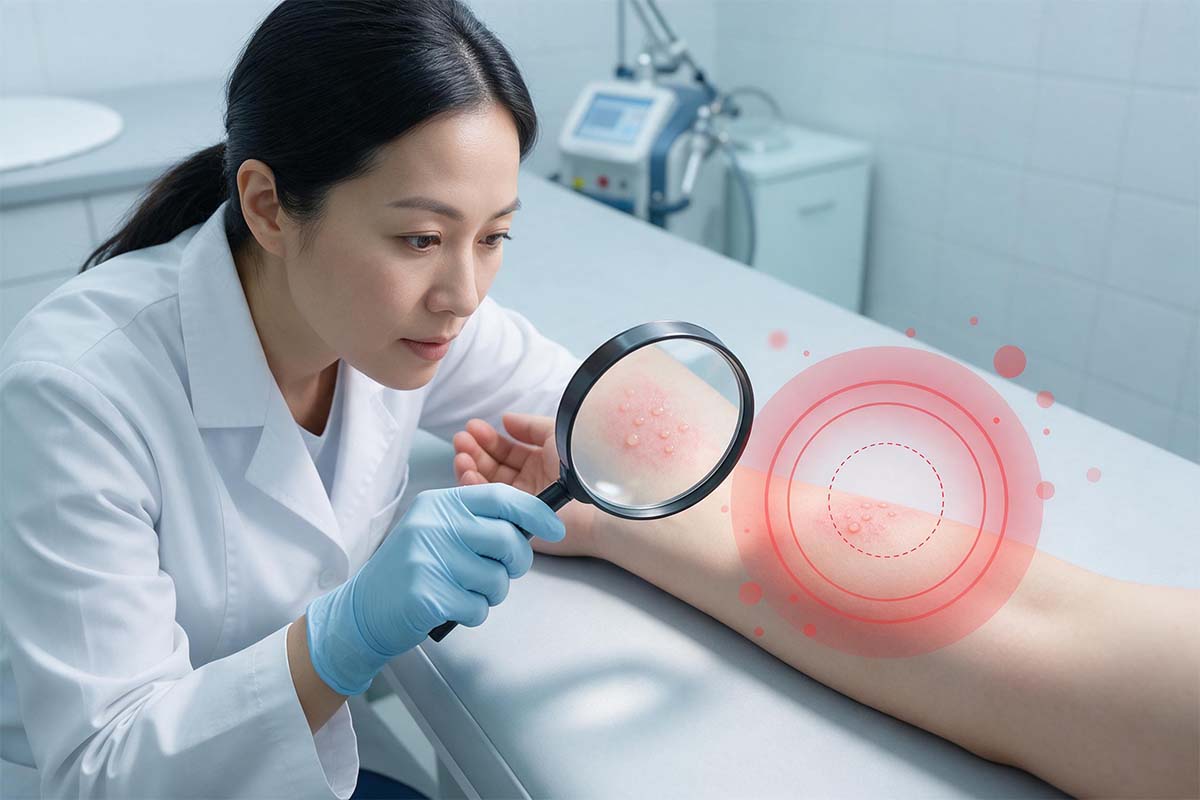
The immediate response depends on the tattoo, skin type, wavelength, pulse characteristics, fluence, spot size, and cooling. A patient should not be told that every response looks the same.
Some patients develop a white or frosted appearance immediately after treatment. It is a common immediate laser response, but the clinic still needs to distinguish a normal short-lived change from excessive epidermal injury. Severe pain, a burn-like appearance, or a reaction that continues to worsen is not routine.
Swelling is more common on the face, neck, hands, and areas with looser tissue. Elevating the area when practical can help. The clinic should avoid promising an exact recovery time because ink color, tattoo age, skin type, and treatment intensity all affect the course.
What should the clinic check before the patient leaves?
Short answer: inspect the treated area under good lighting, cool it appropriately, review warning signs, confirm the contact route, and document the skin response.
I have handled treatment workflows where the operator gave clear instructions and the front desk shortened them at checkout. A written patient card prevents staff from improvising.
Use a discharge checklist:
-
Confirm the tattoo location and treatment settings.
-
Inspect for excessive redness, blistering, or skin injury.
-
Continue appropriate cooling according to the device and protocol.
-
Explain expected warmth, tenderness, and swelling.
-
Give simple wound care instructions.
-
Explain what not to apply to the area.
-
Review signs of infection or burns.
-
Provide a contact channel and photo-review process.
-
Record the initial response before the patient leaves.
-
Explain when the next session can be considered.
The patient should know who to contact, what information to include, and when to seek urgent medical care. A clinic that only offers a general reception phone number creates delay.
How should patients care for the treated area?
Short answer: keep the area clean, avoid trauma, use a simple moisturizing routine if directed by the clinic, and do not pick, scrub, or apply unapproved products.
The clinic should base wound care on the actual skin response. A light erythema response does not need the same management as blistering or open skin. The device manual, medical director, and local regulations take priority.
Cleaning
Patients should avoid harsh cleansers, washcloths, scrubs, and shared towels. The clinic can provide a simple cleansing instruction and tell the patient to pat the area dry rather than rub it.
Protection
Loose clothing reduces friction. Patients should avoid scratching, picking, waxing, and exfoliating the treated area. If the clinic provides a dressing, the patient should know when to change it and when to stop using it.
Products
Do not tell patients to use a random combination of antibiotic ointments, acids, numbing creams, and cosmetic serums. Use a short, approved plan. If a product causes burning or spreading redness, it should be stopped and reviewed.
Exercise and heat
Intense exercise, saunas, hot baths, and swimming can increase irritation or expose the area to contamination. The clinic should give a time range based on the wound response rather than a single instruction for every patient.
Which reactions are expected and which need urgent review?
Short answer: mild redness, swelling, tenderness, and short-term frosting can be expected. Increasing pain, spreading redness, pus, fever, severe blistering, or open wounds need prompt clinical review.
| Observation | Typical meaning | Clinic response |
|---|---|---|
| Mild redness and warmth | Common short-term laser response | Cool and review aftercare |
| Temporary white frosting | Possible immediate laser response | Check whether it settles and document |
| Mild swelling | Common inflammatory response | Elevation and monitoring |
| Small pinpoint marks | Possible local epidermal response | Protect and review |
| Pain increasing after several days | Not routine | Arrange clinical assessment |
| Spreading redness or warmth | Possible infection or inflammation | Escalate promptly |
| Pus or foul discharge | Possible infection | Direct patient to medical care |
| Large or worsening blisters | Possible significant skin injury | Clinical review and incident record |
| Fever or feeling unwell | Needs medical assessment | Do not manage through chat alone |
The clinic should define who can evaluate a photo and when a patient must return. A photo is useful for triage, but it is not a diagnosis.
How should a clinic handle blisters or pigment change?
Short answer: protect the area, avoid picking, review the treatment record, and arrange clinical assessment when the injury is more than superficial. Pigment change should be monitored and documented rather than dismissed.
Blisters can reflect epidermal injury. The patient should not pop them or apply cosmetic acids. The clinic should ask about immediate cooling, sun exposure, products, and any scratching or friction.
Hyperpigmentation is more likely after inflammation or sun exposure, but the clinic should not make a diagnosis from a photo alone. Hypopigmentation and textural change also need review. A dark outline, a white spot, or a raised scar can change the next treatment plan.
If there is a suspected complication, stop planning the next laser session until the skin has been assessed. Record the device, wavelength, pulse duration, spot size, fluence, cooling method, tattoo color, immediate response, and all aftercare advice.
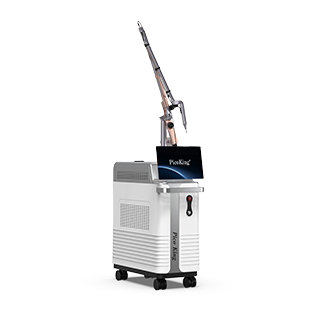
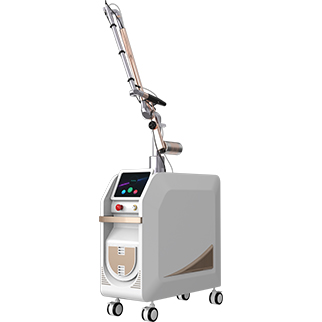
This is another reason to use a professional system with a clear treatment record. The EL950 picosecond laser platform is designed for professional tattoo removal workflows, but no device removes the need for skin assessment and conservative technique.
How should patients manage sun exposure and daily activities?
Short answer: protect the area from direct sun, avoid friction and contamination, and follow the clinic’s wound care plan. Sun exposure can worsen pigment change and should be treated as a real part of aftercare.
Patients should cover the area with clothing when outdoors and use sun protection on surrounding skin according to the clinic’s instructions. They should not apply sunscreen to an open wound unless a clinician has approved it.
Swimming pools, hot tubs, saunas, and shared gym equipment can increase contamination or friction. The patient should wait until the skin is closed if the clinic identifies these as risks.
Sleeping position matters for some areas. A patient treated on the arm or leg can avoid pressure and friction by changing position. A patient treated on the back may need looser clothing and a clean sleeping surface.
When should the next session be scheduled?
Short answer: after the skin has recovered and the clinic has reviewed the response. The interval depends on the tattoo, area, skin reaction, ink colors, and treatment plan.
The next session should not be booked automatically because the calendar has an opening. The clinic should inspect the area, ask about pigment change and scarring, and compare the response with the previous treatment.
Contraindications and treatment boundaries should be reviewed before every session. Active infection, an open wound, recent sun exposure, pregnancy, photosensitizing medication, a history of keloid scarring, or poor healing may require delay or clinical review. The device manual and local medical policy define the final restrictions.
Laser tattoo removal is a staged process. Some ink may lighten after one session, while other colors respond differently. A tattoo can contain multiple pigments, and a single wavelength may not address every color equally.
Patients should understand that more sessions do not always mean faster removal. Aggressive treatment can increase the risk of burns, pigment change, and scarring. The treatment plan should balance progress with skin recovery.
For a broader discussion of treatment economics, see the guide to tattoo removal package pricing for clinics. Pricing should include follow-up and aftercare, not just laser time.
How do device choice and technique affect aftercare?
Short answer: wavelength coverage, pulse duration, spot size, fluence control, cooling, and operator technique all influence the skin response. A machine with more power is not automatically safer or better.
Professional tattoo removal commonly uses short-pulse laser technology, including picosecond systems. Wavelengths such as 532nm, 755nm, and 1064nm are selected for different ink colors and skin considerations. The clinic should understand the role of each wavelength rather than treating every tattoo with the same handpiece.
The operator should be able to document the wavelength, pulse duration, spot size, fluence, and number of passes. If the device cannot produce a reliable treatment record, aftercare review becomes guesswork.
Cooling and skin protection matter, but cooling cannot compensate for excessive energy or poor technique. The clinic should stop when the skin response exceeds the approved protocol and review the case before continuing.
For equipment planning, review the picosecond laser maintenance and operating cost guide. It helps separate the purchase price from the ongoing cost of handpieces, service, training, and downtime.
Winkonlaser was founded in 2012 and exports equipment to 120+ countries. That experience is useful when it connects device design with training, service, and realistic clinical boundaries. It does not replace the operator’s own protocol.
What should the clinic document?
Short answer: record the tattoo, skin type, device settings, immediate response, aftercare advice, follow-up messages, and any escalation. Documentation should make the next clinical decision easier.
Use a consistent record:
-
Tattoo location and approximate size
-
Ink colors and skin type
-
Device, wavelength, pulse duration, spot size, and fluence
-
Cooling method and number of passes
-
Immediate skin response
-
Photos when consent and policy allow
-
Patient instructions and aftercare card
-
Follow-up date and contact channel
-
Any reported symptom and who reviewed it
-
Whether the next session was approved, delayed, or referred
A clinic should not rely on memory when a patient returns months later. The record is also useful for identifying patterns across operators or settings.
How can a consistent aftercare process improve retention?
Short answer: patients remember how the clinic handled uncertainty. Clear aftercare, a simple contact route, and realistic expectations build trust before the next session.
A patient who understands that blistering is not routine is more likely to call early. A patient who knows that some ink may fade gradually is less likely to assume the treatment failed after one week.
Aftercare also creates a natural follow-up touchpoint. The clinic can ask for a brief status update, review a photo when appropriate, and confirm when the skin is ready for the next treatment. This supports retention without pressuring the patient.
FAQ
Q: Is white frosting normal after tattoo removal?
A: A temporary white response can occur immediately after laser treatment. The clinic should check the skin, document the response, and explain when a persistent or worsening change needs review.
Q: Can patients shower after laser tattoo removal?
A: Many clinics allow gentle washing, but the patient should avoid scrubbing, hot water, and prolonged soaking. Open or blistered skin needs specific instructions from the clinic.
Q: Should patients pop blisters?
A: No. The patient should avoid picking or popping the area and contact the clinic for assessment.
Q: Can patients exercise after treatment?
A: Intense exercise can increase heat, friction, and sweating. The clinic should decide based on the area and skin response.
Q: When does the tattoo start fading?
A: Some change may appear after the skin settles, but the timing varies by ink, skin, wavelength, and treatment response. A single session should not be judged too early.
Q: Can laser tattoo removal cause scarring?
A: Scarring is a risk with any laser treatment, especially after excessive energy, infection, poor wound care, or a history of poor healing. The clinic should use conservative settings and monitor the skin.
Q: When should the next session be booked?
A: Only after the skin has recovered and the clinician has reviewed the response. The correct interval varies by patient and tattoo.
Q: Who should not be treated without clinical review?
A: Patients with an active infection, open wound in the area, recent sun exposure, pregnancy, photosensitizing medication, a history of keloid scarring, or poor healing may need review before treatment. Local medical rules determine suitability.
A practical clinic standard
Do not let aftercare depend on which staff member is at the desk or whether the patient remembers the conversation. Use a written protocol, document the initial response, and review complications with the clinical lead.
If you need help choosing a professional tattoo removal platform for your clinic, start with the Winkonlaser contact page. We can discuss wavelength coverage, cooling, training, service support, and the aftercare workflow around the device.