


Is That Laser Supplier a Real Factory? A Pre-Deposit Checklist
Table of Contents

Buyers often tell me they are looking for a factory, but the conversation quickly turns to price, shipping time, and payment. That is normal, but it skips the question that matters most: is the seller actually the factory, or is it a trading company using factory language?
I have seen this go wrong enough times to know that a polished website and borrowed product photos are not proof of production. The good news is that most of the risk can be checked before you send a deposit. You just need to ask for the right documents and look for the right details.
Start With the Legal Entity, Not the Trade Name
Ask the supplier for the exact registered Chinese legal name in both English and Chinese, plus the 18-character Unified Social Credit Code. That code is the core identifier for a registered Chinese company, and it is different from a brand name, a website domain, or an export alias.
Check the company against the business license and confirm four things:
-
The company is active and registered.
-
The registration date and registered capital match what the seller claims.
-
The business scope includes manufacturing or production, not only import, export, or sales.
-
The legal representative and registered address are stated clearly.
If a seller is reluctant to show the business license or asks you to trust a trade name instead, treat that as a warning sign. It does not automatically mean fraud, but it does mean you cannot yet confirm who you are paying.
Confirm the Production Site With a Live Video Walk-Through
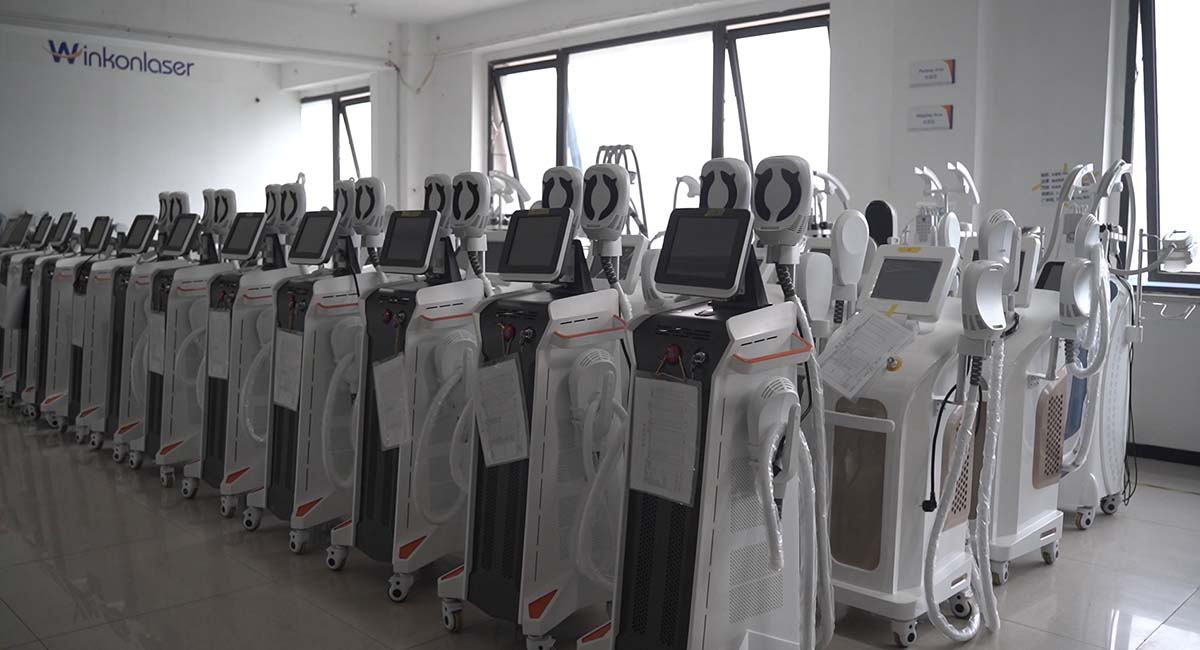
A real factory can show you the production flow. Ask for a live video call, not a recorded promotional video, and walk through the production area, quality-control station, testing area, and shipping area.
During the call, ask to see:
-
A machine serial number on a unit that is currently on the line.
-
The QC checklist used before packing.
-
A current date marker, such as a phone screen or a dated document, inside the same continuous video.
-
The physical relationship between the registered address and the operating factory.
In my experience, a seller who owns the line can answer specific questions about machining, assembly, calibration, and testing. A trading company can often describe the product but cannot show the process end to end.

Check Every Certificate Against the Issuing Database
Certification claims are only useful when the certificate holder, product model, and category all match. A company-level ISO certificate does not prove that a different product is cleared or approved.
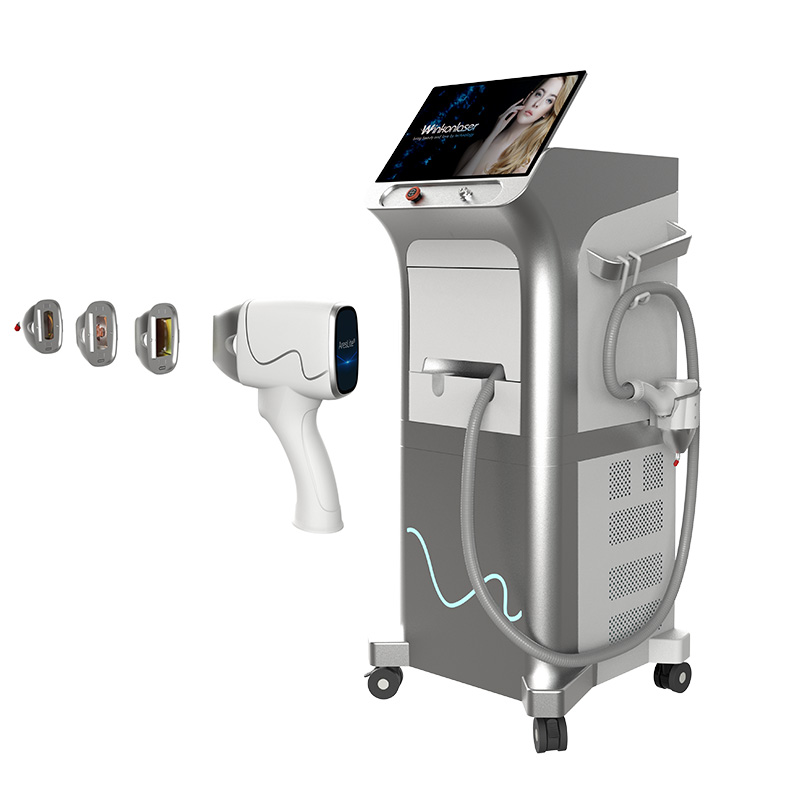
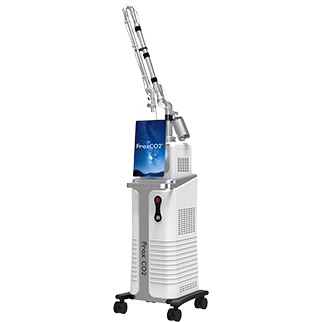
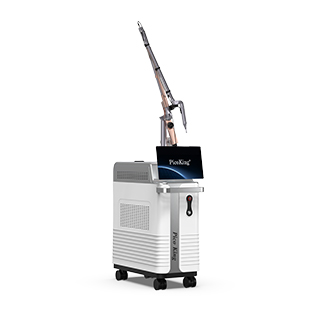
For Winkonlaser, the FDA 510(k) boundary is easy to state: only the DM60 and DM40P diode laser hair removal systems are described as FDA 510(k) cleared under K241860. A picosecond, CO2 fractional, HIFU, EMS, or fat-reduction machine should not use that number unless the seller can show a separate, model-specific clearance. When you compare a diode laser, check the wavelength set such as 755nm, 808nm, 940nm, and 1064nm, and make sure the certificate lists the exact model. If you are importing a diode laser into the United States, check the clearance number against the FDA database before you pay; the process is explained in the Winkonlaser guide to verifying FDA 510(k) clearance.
A certificate that applies to one model is not suitable as proof for a different model. Verify CE, ISO 13485, and other certificates in the issuing database, and confirm the certificate holder is the same legal manufacturer named in your contract.
Match the Payment Account, Contract, and Sample
Before you pay, compare three names:
-
The company name on the business license.
-
The legal entity named in the contract and proforma invoice.
-
The bank account beneficiary.
They should be the same entity. Do not use a personal account or an unrelated third-party account unless there is a clear, written reason and you understand the risk.
Place a small sample order before the full deposit where possible. A sample lets you test the machine, the packaging, the documentation, and the seller’s communication before you commit to a large production run.
Winkonlaser was founded in Beijing in 2012 and exports to more than 120 countries, with a team of more than 15 engineers. The company states a two-year warranty on the main unit and handpiece with lifetime technical support, but you should still confirm the exact warranty terms for the model and market you are buying.
Know What This Checklist Does Not Guarantee
This process reduces sourcing risk. It does not guarantee import approval, clinical performance, or local market acceptance. Device classification and import rules differ by country, so involve a local regulatory or customs adviser where required.
Also be honest about fit. A strong factory may still not be the right supplier for a small clinic that needs fast local service, and a capable trading company can be useful for mixed sourcing. The point of verification is to know which one you are dealing with, not to assume every trading company is a problem.
FAQ
Q: What is the most important document to request first?
A: Ask for the exact registered Chinese legal name and the 18-character Unified Social Credit Code. Check both against the business license before you discuss payment.
Q: Can a live factory video call replace a physical audit?
A: It is not a full replacement, but it is the strongest low-cost check before a deposit. Ask to see the production line, QC area, a machine serial number, and a current date marker in one continuous video.
Q: Does an ISO 13485 certificate prove a device is FDA cleared?
A: No. ISO 13485 is a quality-management certification, not an FDA 510(k) clearance. FDA status must be checked by model and clearance number, such as K241860 for Winkonlaser’s DM60 and DM40P.
Q: Should the bank account name match the contract entity?
A: Yes. The beneficiary should be the same legal entity named in the contract and proforma invoice. A personal or unrelated account is a red flag.
Q: Is a trading company always a bad supplier?
A: No. A trading company can be useful for mixed sourcing, but you should know which type of seller you are dealing with before you pay.
Q: Where can I start the Winkonlaser sourcing process?
A: Review the OEM/ODM page for the factory-direct model, use the laser hair removal buying guide to check specifications, and contact Winkonlaser when you have a shortlist of models and target markets.
Get a Configured Quote
If you are comparing suppliers for laser hair removal, HIFU, RF microneedling, picosecond, CO2 fractional, or body-contouring equipment, start with the Winkonlaser OEM/ODM page and the laser hair removal buying guide. Then contact Winkonlaser with your target market, treatment volume, and preferred models so the team can confirm the configuration, certification, warranty, and shipping terms before you pay.