


A Real FDA 510(k) Is More Than a Certificate Logo
Table of Contents
Most importers treat every certificate the same way. They see an FDA-looking badge, a CE mark, or an ISO certificate and assume the machine is approved everywhere. In medical aesthetic equipment, that assumption is where expensive import problems start.
An FDA 510(k) clearance is not a general company approval. It applies to a specific manufacturer, a specific device name, and a specific model or group of models. If the document does not match the machine you are actually importing, it will not protect you at the border or in a later inspection.
I’ve seen buyers place an order, pay the deposit, and only then discover the certificate belonged to a different device category. By that point, the shipping date is already set and the supplier has less reason to rush a correction.
This guide is for overseas clinics, med spas, and distributors who want to verify the right clearance before money moves. It focuses on diode laser hair removal machines, but the same verification logic applies to other aesthetic devices.
Start With the Number, Not the Logo
The first thing to ask for is a specific FDA 510(k) number. A generic “FDA cleared” claim is not enough. A real clearance has a number such as K241860, and that number can be checked against public FDA records.
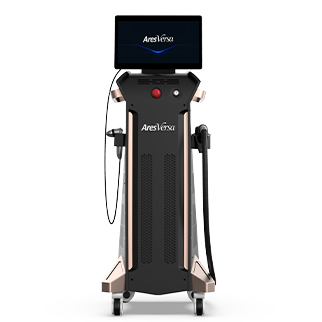
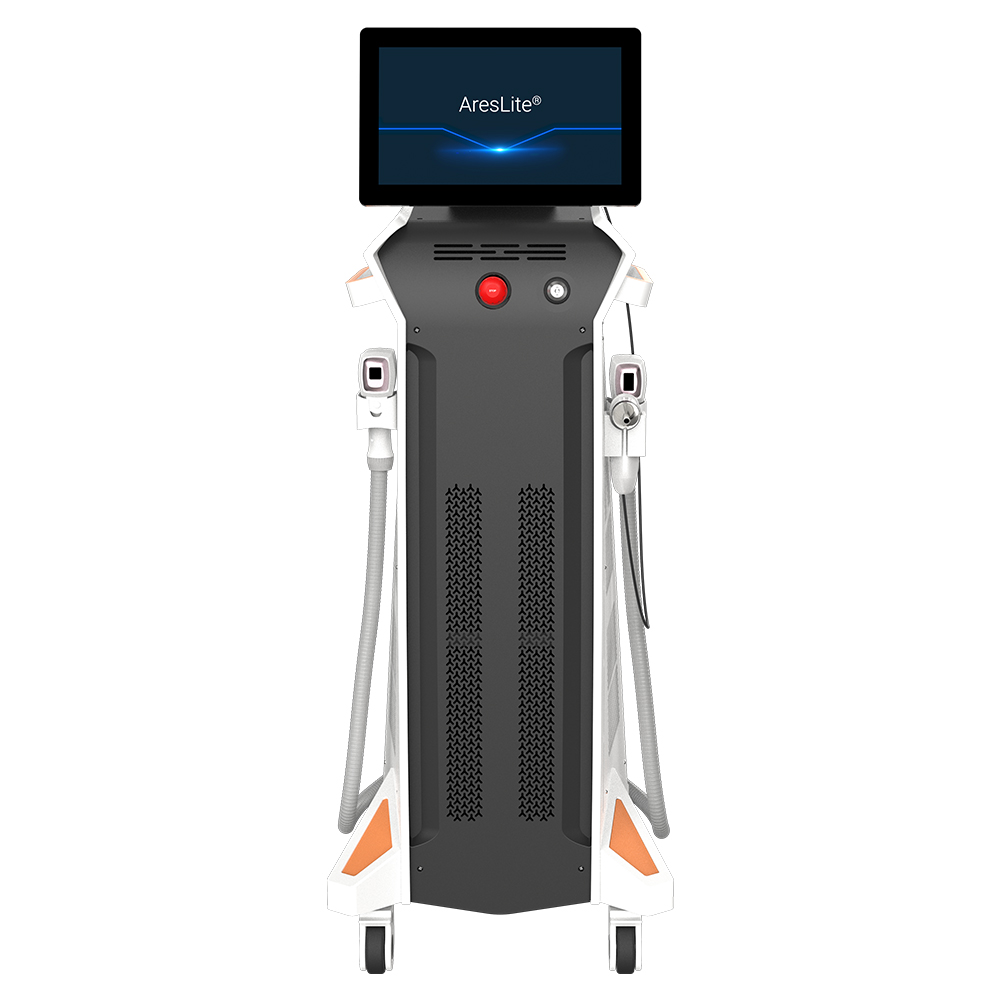
For Winkonlaser diode hair removal systems, only two models can be described as FDA 510(k) cleared: the AresLite DM60 and the DM40P. Both are listed under K241860. If a salesperson applies that number to a picosecond, CO2, or fat-reduction machine, the claim is wrong.
That distinction matters because buyers often compare a full catalog and assume one certificate covers everything. It does not.
Know What CE and ISO 13485 Actually Mean
CE marking and ISO 13485 are useful, but they are not the same as FDA clearance.
CE marking under the Medical Devices Directive or Regulation shows that a device has been assessed for the European market. ISO 13485 is a quality-management system certificate. It shows that the manufacturer has processes for design, production, and traceability. It does not clear or register a specific device in the United States.
You can think of it as three separate questions: Which market is this device authorized for? Does the quality system meet the standard? Which specific model has FDA 510(k) clearance? A clean import file answers all three.
For the Winkonlaser range, the picosecond, CO2, and fat-reduction machines are CE MDD + ISO 13485. They should not be presented as FDA-cleared. Keeping that boundary clear protects you from filing a false device claim on your own import documents.
Match the Model Number on the Certificate
Once you have a 510(k) number, check the model against the certificate and the supplier’s invoice. The manufacturer name, device name, and model identifier should line up.
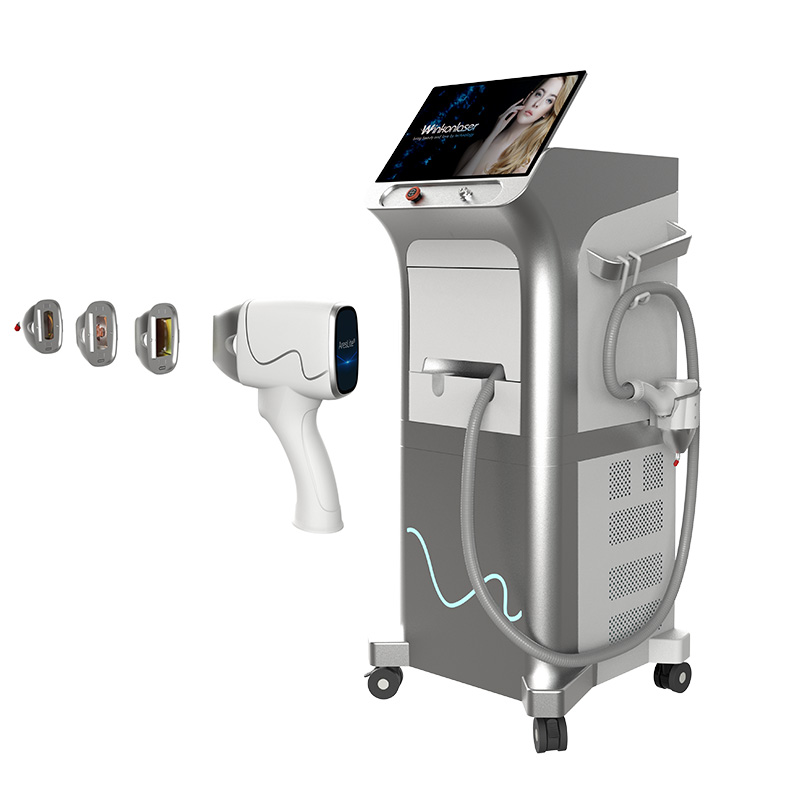
The AresLite DM60 is a diode laser hair removal system with wavelengths at 755nm, 808nm, 940nm, and 1064nm. The DM40P is a smaller two-handpiece system aimed at clinics that need a more compact setup. Both are hair removal devices, so the clearance stays within the correct category.
Do not let a supplier send you a certificate for one model while quoting another. That mismatch can create a customs delay now and a regulatory problem later.
Check the Public Record Before You Pay
The strongest check is the one you do yourself. Ask the supplier for the 510(k) number and the exact model, then verify the information against the official FDA database or the manufacturer’s certification page.
Winkonlaser publishes its certification records so buyers can review the manufacturer name, device name, and model information. Use that as a starting point, then confirm the same details in the public record.
If you are new to US imports, have your customs broker review the device classification, labeling, and any registration or listing requirements that apply to the importer. Regulations change, and the broker should be working from the current rules for your entry date.
Ask These Questions Before Signing
When you speak with a supplier, get written answers to these questions:
-
What is the exact FDA 510(k) number for this model?
-
Which model names are listed under that clearance?
-
Does this certificate cover the exact machine on the quotation and invoice?
-
If the machine is CE marked, which directive or regulation was used for assessment?
-
What happens if customs asks for a signed declaration or an additional device listing?
If the answers are vague, ask for documents. If the documents do not match, move on. A reliable supplier should be able to answer these questions in a few minutes.
Check the Machine, Not Just the Paperwork
Clearance is only one part of the buying decision. The machine still needs to fit the treatments your clinic actually performs.
For a diode laser, look at the wavelengths, spot sizes, cooling, and treatment speed. The DM60, for example, uses a non-crystal diode stack, offers multiple wavelengths for different skin types, and includes contact cooling to keep the handpiece comfortable during back-to-back sessions. The DM40P gives a smaller clinic a more compact option without overbuying.
Compare the full laser hair removal systems or review the wider Winkonlaser product range to make sure the model matches your patient mix.
Know the Clinical Limits
No clearance removes the clinic’s responsibility to screen every client. Laser hair removal is not suitable for pregnant clients, people with active infection in the treatment area, people taking photosensitizing medication, or people with a history of abnormal scarring or keloids. A qualified operator should assess skin type, medical history, and recent sun exposure before treatment.
A valid 510(k) also does not guarantee that the device will suit every skin type or every treatment protocol. It means the device met a specific regulatory path. Clinical judgment still decides whether a client is appropriate for treatment.
What a Reliable Choice Looks Like
Winkonlaser was founded in Beijing in 2012, exports to 120+ countries, and has 15+ engineers supporting its systems. The diode hair removal machines carry a two-year warranty on the main unit and handpiece, with lifetime technical support.
Those facts do not make a model automatically right for your market. They mean the supplier should be able to give you a clear model list, a real certificate number, and enough technical detail to verify the claim before you import.
Before you finalize a purchase, put the clearance number next to the model number and the invoice. If all three match, you have a much better import file than a buyer who accepted a logo at face value.
FAQ
Q: What is an FDA 510(k) clearance?
A: It is a premarket submission that shows a device is substantially equivalent to a legally marketed device. It applies to a specific device and model, not to an entire company or catalog.
Q: Does a CE mark mean a device is FDA cleared?
A: No. CE marking relates to the European market, while FDA clearance relates to the United States. They use different requirements and must be checked separately.
Q: Is ISO 13485 the same as FDA clearance?
A: No. ISO 13485 is a quality-management system standard. It supports good manufacturing and documentation, but it does not clear or register a specific device.
Q: Which Winkonlaser models have FDA 510(k) clearance?
A: The AresLite DM60 and DM40P diode laser hair removal systems are listed under K241860. Other categories, including picosecond, CO2, and fat-reduction machines, do not share that clearance.
Q: How can I verify a 510(k) number before importing?
A: Ask for the number and exact model, then check the manufacturer’s certification page and the official FDA database. Have your customs broker review the device classification and current import requirements.
Q: Can I import a machine if the certificate belongs to a different model?
A: You should not. A mismatched certificate can delay the shipment and may leave you with an incorrect import declaration. Ask the supplier to correct the documents before payment.
Get a Clear Import File Before You Buy
An FDA 510(k) check works best when it happens before the deposit, not after the machine is on the water. Confirm the number, match it to the model, and keep the CE and ISO claims in their proper place.
If you are comparing diode laser systems for a clinic or distribution business, send Winkonlaser your target market, treatment volume, and certification requirements. You can request a configured quote or reach the team through the contact page.