


What Certifications Do You Need to Import a Chinese Aesthetic Laser?
Table of Contents
Importing a medical aesthetic machine from China looks intimidating until you separate the three jobs that actually matter: classifying the device, confirming the certification for the exact model, and controlling the payment and documents. Most delays I have seen are not caused by bad equipment. They are caused by a buyer who trusted a website badge instead of checking the paperwork, or who let a freight forwarder classify the machine without checking the model number.
I have handled this from the factory side for years. Winkonlaser was founded in Beijing in 2012, exports to more than 120 countries, and keeps more than 15 engineers on staff, so I watch the same import questions come through every week from clinics, med spas, and distributors. The machines are rarely the problem. The import file and the certification claim usually are.
The short version: get the HS code and the importer of record settled first, verify the certification for the exact model rather than the category, and collect the document set before you send money. If you do those three things, the rest of the process is paperwork. If you skip one, a cheap machine can become an expensive customs hold.
Start With the Classification, Not the Price
Buyers usually start with the machine price and end up surprised by the landed cost. Start the other way. The first question is how the device will be classified for customs and who will act as the importer of record.
The importer of record is the party responsible for the declaration, the duties, and the accuracy of the documents. A freight forwarder or customs broker files the paperwork, but the legal responsibility for a wrong declaration usually sits with the importer, not the broker. If you are a clinic buying one machine, decide whether you or your distributor will be the importer of record before you quote freight.

The HS code is the numeric classification that determines the duty rate and whether the shipment needs extra permits. Laser, HIFU, CO2, and RF machines can land in different HS headings depending on whether customs treats them as medical, electrical, or general equipment. Do not let the supplier guess this. Ask the forwarder to confirm the code for the exact model and its intended use in your country.
Also separate the three costs people mix up. The FOB price is the machine at the factory gate. Freight and insurance get it to your port. Duty, VAT, and the broker fee are applied by your country on arrival. Compare the landed total, not the FOB sticker. For a specific machine quote, contact Winkonlaser with your market and the delivery term you want.
The Certification Boundary That Trips Buyers
The biggest mistake in import is treating every certificate as the same thing. Three documents do three different jobs, and they are not interchangeable.
Device clearance or registration answers whether a specific model can be sold in a market. In the United States, that can mean FDA 510(k) clearance. In Europe, it can mean CE marking under the Medical Device Directive or Regulation. A quality management certificate is different. ISO 13485 says the manufacturer runs a quality system; it is not a device clearance and it is not a registration.
Electrical safety and CE marking are a third layer. They relate to the product’s electrical conformity and can be separate from a device clearance. A buyer who sees ISO 13485 and assumes the machine is cleared for their market is making the most common certification error. Match every claim to the exact model, not the brand.
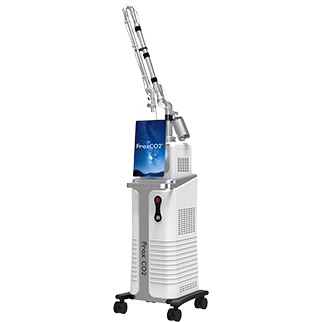
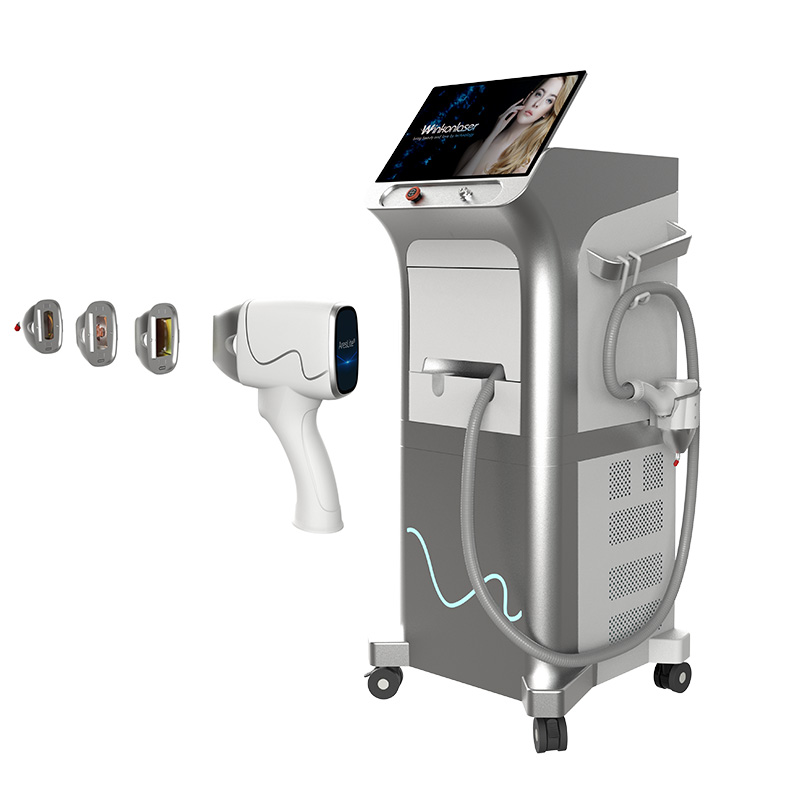
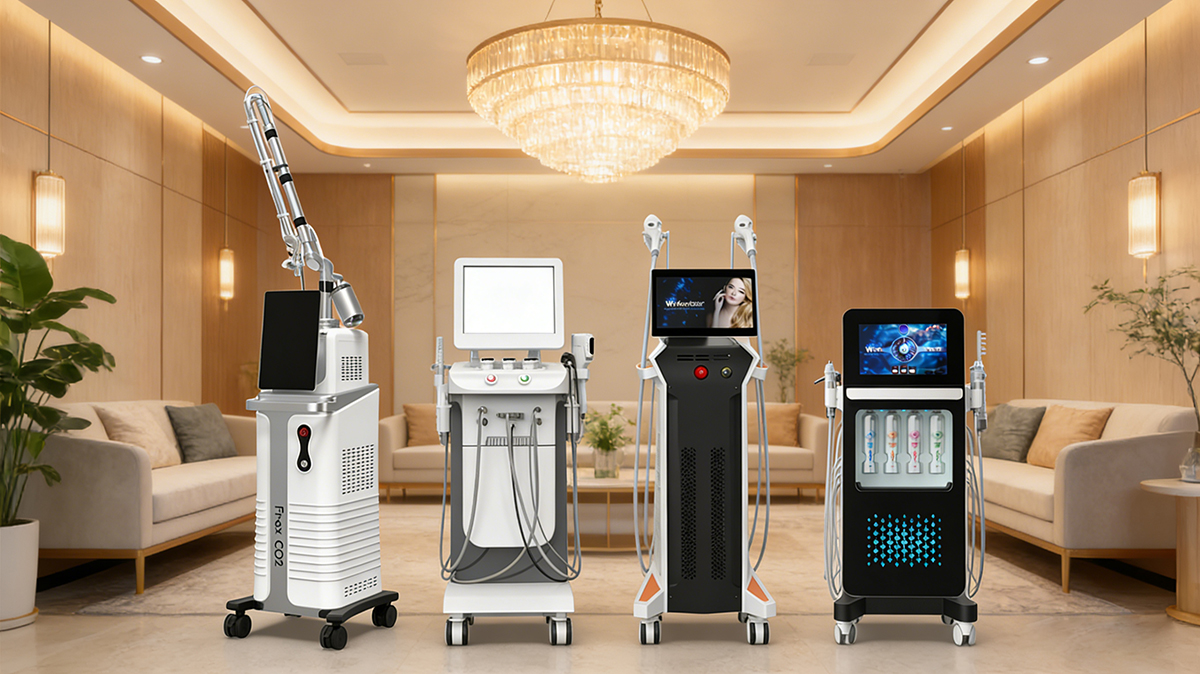
Winkonlaser keeps this boundary deliberately narrow. Only the DM60 and DM40P diode laser hair removal machines are described as FDA 510(k) cleared under K241860. Picosecond, CO2, and fat reduction machines are described as CE MDD plus ISO 13485. Do not accept an FDA claim on a category where it was never issued.
CE MDD and ISO 13485: What They Do and Do Not Mean
CE MDD is a path for placing a device on the European market under the Medical Device Directive. It is not a worldwide clearance. A CE certificate that is valid for Europe does not by itself make the machine legal in the United States, Canada, Australia, or any other country with its own registration system.
ISO 13485 is a quality management standard for medical device manufacturers. It shows the factory runs controlled design, production, and traceability processes. It is a strong signal of manufacturing discipline, but it is not a device approval. I have seen buyers write ISO 13485 cleared in an import file and then wonder why the regulator asked for the actual device registration.
Picosecond, CO2, and fat reduction machines in the Winkonlaser range are described as CE MDD plus ISO 13485. HIFU and RF microneedling follow the same principle: state the certifications the exact model can verify, and do not add an FDA claim. If a market requires a local registration, ask for the country specific document before you rely on it.
FDA 510(k): Only the DM60 and DM40P
The FDA 510(k) clearance under K241860 is specific to two diode laser hair removal machines: the DM60 and the DM40P. When an import file needs an FDA reference, those are the models where the claim applies.
The practical check is simple. Go to the FDA 510(k) database and confirm that the 510(k) number and the device match the model on your invoice. A seller’s website claim is not enough, because a trading company can repeat a clearance number that belongs to a different model or a different manufacturer. The full step by step method is in the Winkonlaser FDA 510(k) verification guide.
Also be clear about what the clearance does not cover. It does not turn every Winkonlaser machine into an FDA cleared device. A picosecond laser, a CO2 fractional machine, or a fat reduction platform carries its own certification path, and that path is CE MDD plus ISO 13485, not FDA 510(k). If a seller attaches K241860 to one of those categories, stop the order and check again.
The Document Checklist Before You Ship
Collect the file before you pay, not after the goods are on the water. A complete import file for a single machine usually includes a commercial invoice with the exact model name, quantity, and unit value; a packing list with gross and net weight and package dimensions; the bill of lading or air waybill; a certificate of origin where your country’s duty scheme requires it; the model’s CE certificate or FDA 510(k) summary, depending on the market; the ISO 13485 certificate for the manufacturer; the product manual and technical specification sheet; written warranty terms covering the main unit and handpiece; and the confirmed HS code with the importer of record’s details.
A specification sheet should state real units, not marketing words: wavelengths such as 755nm, 808nm, and 1064nm for a diode, optical power, spot size, and the handpiece shot rating. If a number is missing, ask for it in writing.
Two checks are worth the effort. First, the certificate holder must match the manufacturer named on the invoice. A certificate issued to a different legal entity does not cover your machine. Second, the bank beneficiary must match the seller on the contract. A mismatch at the payment step is the single most reliable warning sign of an import scam. For the full verification sequence, use the supplier verification checklist.
Customs, Duties, and Freight You’ll Actually Pay
Freight terms change who owns the risk and who pays for what. FOB means the seller delivers to the port and you take over from there. CIF adds insurance and main freight to your destination port. DDP means the seller handles duties and delivery, which is convenient but often hides a markup. Decide the term before you compare quotes, because a low FOB number is not cheaper than a DDP number that already includes duty.
On arrival, your country applies duty and VAT to the customs value. The broker fee and any inspection or storage charges come on top. If the machine is held for a documentation problem, storage charges can run up fast, which is why the document checklist matters before the ship date.
Do not publish dealer specific or confidential pricing. For a landed cost on a specific model, contact Winkonlaser with your port, your market, and the delivery term you want. A written quote with the freight term named is the only way to compare real numbers.
The Most Common Import Failures
Most import problems repeat the same five patterns. First, a name mismatch. The invoice, business license, and bank beneficiary do not match, so the bank or customs flags the file. Second, a certificate holder mismatch. The CE or ISO certificate is issued to a different company than the one selling the machine. Third, a guessed HS code. The buyer accepted a generic classification and the duty or permit requirement was wrong. Fourth, a personal bank account. The deposit went to an individual instead of the company, and the buyer has no way to hold the seller accountable. Fifth, no pre-shipment check. The buyer paid the balance before seeing the machine run, so a defect was found only after arrival.
Each of these is avoidable with a written checklist and a staged payment. Inspect the machine by live video before the balance, and keep every document in one file.
What Importing Does Not Change
Importing the machine does not change the clinical work. A laser, HIFU, or CO2 device still needs a trained operator, a test patch protocol, and a maintenance schedule. The fact that the device cleared customs does not mean it is safe to use without training.
The clinical screening rules are the same in every market. A trained operator should assess each client and perform a test spot, especially on darker skin or over tattoos. Screen for contraindications such as pregnancy, open wounds, active infection in the treatment area, recent sun exposure, and any medical history that needs a physician review. No certificate removes that step.
Finally, this article is a buyer’s checklist, not legal advice. Import rules, device classification, and registration requirements differ by country, so involve a local customs broker or regulatory adviser where your market requires it.
FAQ
Q: What certifications do I need to import a Chinese aesthetic laser?
A: Match the claim to the exact model. For the Winkonlaser diode hair removal range, only the DM60 and DM40P are described as FDA 510(k) cleared under K241860. Picosecond, CO2, fat reduction, HIFU, and RF microneedling machines are described as CE MDD plus ISO 13485. Confirm your market’s own registration requirements as well.
Q: Is ISO 13485 the same as FDA clearance?
A: No. ISO 13485 is a quality management certification. It shows the manufacturer runs a controlled quality system, but it is not a device clearance or registration. Do not treat it as proof that a model is approved for your market.
Q: What is the importer of record?
A: The importer of record is the party responsible for the customs declaration, duties, and document accuracy. A broker files the paperwork, but the legal responsibility usually stays with the importer, so decide who fills that role before you ship.
Q: What does FOB mean for a machine order?
A: FOB means the seller delivers to the port and the buyer takes over risk from there. CIF adds insurance and main freight, and DDP means the seller handles duties and delivery. Compare the landed total, not just the FOB price.
Q: Which documents should I collect before paying the balance?
A: Commercial invoice, packing list, bill of lading or air waybill, certificate of origin where needed, the model’s CE certificate or FDA 510(k) summary, the ISO 13485 certificate, manual and specification sheet, written warranty terms, and the confirmed HS code.
Q: How do I avoid an import scam?
A: Match the invoice, business license, and bank beneficiary names, verify the certificate holder, confirm the HS code with your forwarder, pay only the company account, and stage the balance against a live video inspection before shipment.
Get a Landed Cost Quote for Your Market
If you are importing a diode, HIFU, CO2, or picosecond machine, start with the classification and the certification for the exact model. Shortlist suppliers that can show the document set and match every certificate to the legal manufacturer.
Review the supplier verification checklist, the FDA 510(k) verification guide, and the laser hair removal buying guide, then contact Winkonlaser with your market and port for a written, model specific quote.
-1.jpg "710-468(马来西亚)-1")