


Should Your Clinic Start with HIFU or Laser Lipo?
Table of Contents
Quick answer: HIFU uses focused ultrasound energy at depth to tighten tissue and firm the skin, while laser lipo applies low-level laser wavelengths like 532nm and 635nm over the skin to act on fat cells. Neither is a weight-loss device, and neither is FDA 510(k) cleared. Choose HIFU for a skin-tightening menu, or laser lipo as a lower-cost slimming entry point.
When a clinic decides to add body treatments, the first debate is usually which machine earns its place first. HIFU and laser lipo both sell as non-invasive body contouring, but they are not the same machine with different branding. One is built to tighten tissue at depth, and the other is built to apply laser energy to a fat area. I have seen buyers talk themselves into the cheaper one and then realize it does not fit the clients they actually treat. The choice should start with the treatment you want to sell, not the demo that looked impressive.
How the two machines work
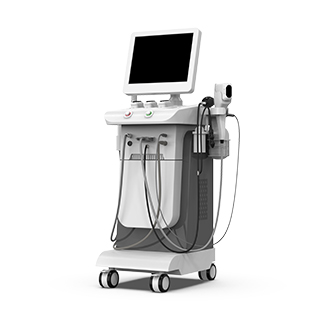
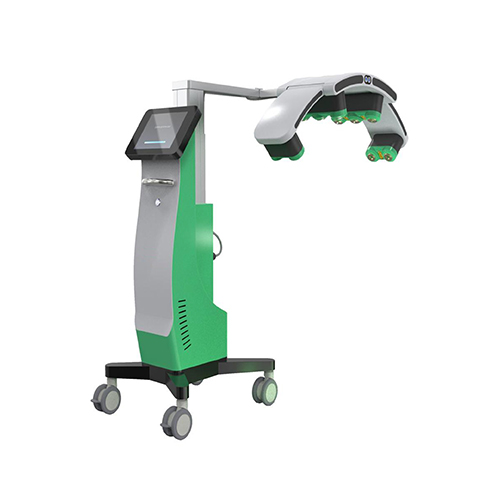
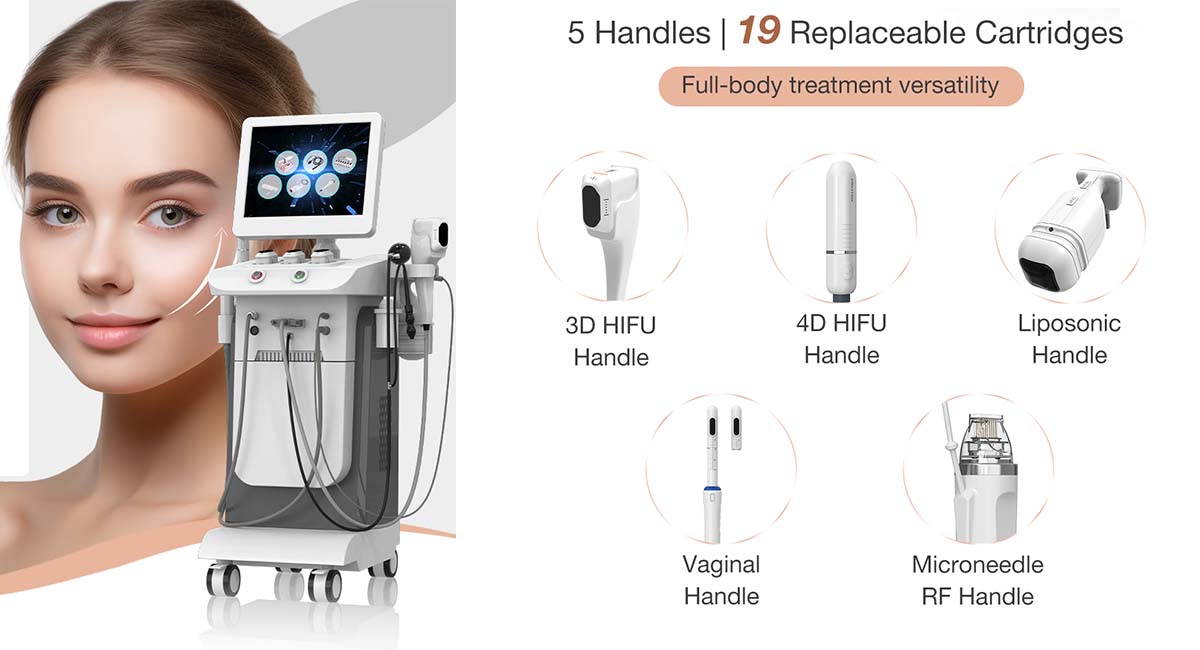
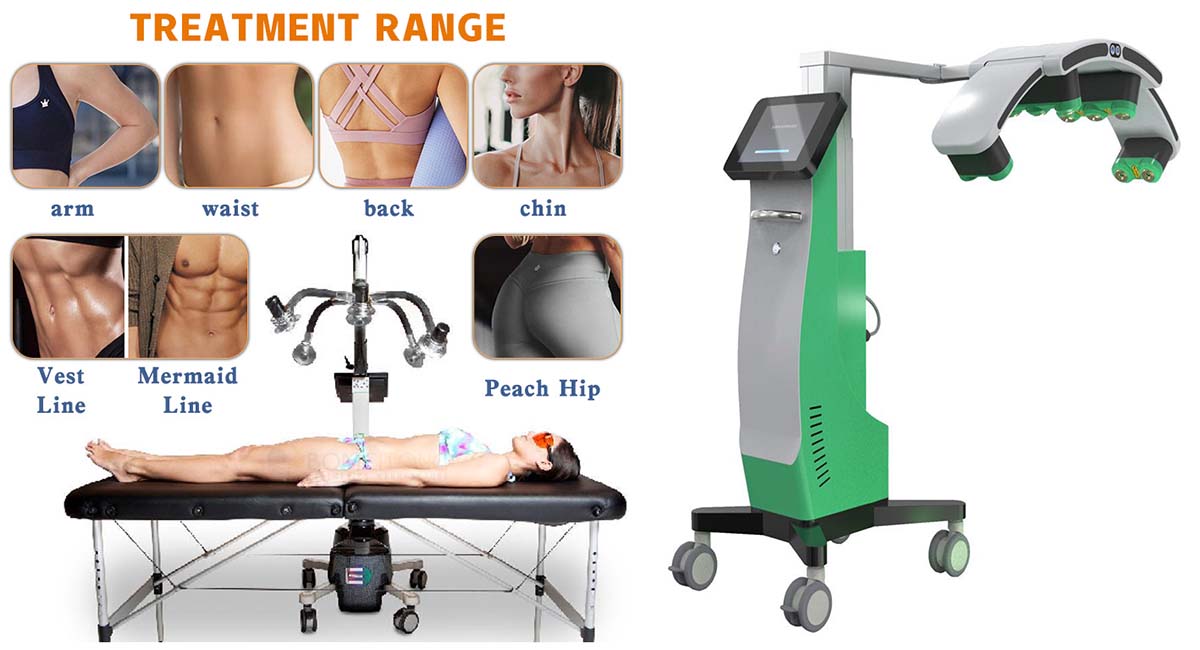
HIFU, or high-intensity focused ultrasound, concentrates ultrasound energy at a set depth under the skin. The point of that focus is to heat a small treatment zone and trigger a tightening response, which is why HIFU is used for face lifting and skin firming. A body HIFU cartridge reaches deeper than a face cartridge, but the mechanism is still tightening rather than weight loss. Laser lipo, also called lipolaser, works differently. Paddles apply low-level laser wavelengths, commonly 532nm and 635nm on a machine like the 10D body sculpt machine, over the treatment area. The idea is to act on the fat cells and encourage the body to process the released contents. It is a slow, adjunct treatment, not a substitute for surgery.
What each one does for clients
The honest version is that neither machine is a weight-loss device. A client who wants to drop several clothing sizes will not get that from a HIFU or laser lipo session alone. What a clinic can reasonably offer is targeted contouring and, in HIFU’s case, skin tightening that builds over a series of treatments. In my experience, the client who is happiest with body HIFU is one who is already near a stable weight and wants a firmer outline. The client who is happiest with laser lipo is one who understands it works alongside diet, exercise, and repeated sessions, and who is not expecting a dramatic before-and-after from one visit.
Where each one falls short
HIFU is not a fat-dissolving guarantee. It tightens tissue, but it does not remove large volumes of fat, and results depend on depth, cartridge choice, energy, and how many sessions the client completes. Laser lipo is also easy to oversell. Its effect is modest and gradual, and it should not be marketed as a way to melt fat away in a single appointment. For either machine, a trained operator has to screen the client first. Pregnancy, an active pacemaker or other implanted device, open wounds, and certain medical conditions are contraindications, which means neither treatment is suitable for every client.
How to choose for your clinic
Start with the client you already see. If your practice leans toward facial treatments and skin laxity, a HIFU machine with both face and body cartridges is the more direct fit. If your practice is built around slimming and you want a lower-cost entry point, laser lipo can round out a body contouring menu, but it rarely carries the menu on its own. I have handled clinics that buy both, but they usually add the second machine only after the first one is producing sessions. Buying both on day one often means two machines sitting under-used while the staff learns one workflow.
This is where the comparison gets practical. Our HIFU range includes machines like the HU700 5D HIFU machine. If you are still deciding what HIFU does to fat in the first place, this guide to what HIFU actually does separates the tightening effect from real fat reduction. For the laser lipo side, this look at whether lipolaser works explains what a realistic result looks like.
Questions to ask before you buy
-
Which areas will the machine actually treat: face, body, or both?
-
What is the treatment depth or wavelength, and can I confirm it against the spec sheet?
-
How many sessions does the supplier recommend per course, and what maintenance do clients need?
-
What training, warranty, and technical support come with the machine?
-
Does the machine use consumables, and what do they cost over a year?
If the supplier cannot answer those clearly, treat it as a warning sign.
Certification boundary
One more point before you sign. Winkonlaser was founded in Beijing in 2012, exports to 120+ countries, and keeps 15+ engineers on staff, with a two-year warranty on the main unit and handpiece. On certifications, be specific rather than general. HIFU and laser lipo machines in this category are CE MDD and ISO 13485 scope, and they are not being claimed as FDA 510(k) cleared. The FDA 510(k) clearance we hold under K241860 applies only to the DM60 and DM40P diode laser hair removal machines. If a seller attaches FDA cleared wording to a HIFU or laser lipo machine, that should make you pause and verify the claim yourself.
FAQ
Q: Does HIFU dissolve fat?
A: No, not in the way a dedicated fat-reduction or surgical option does. HIFU focuses ultrasound energy at depth to tighten tissue and firm the skin. It can support contouring, but it is not a large-volume fat-removal method.
Q: Is laser lipo the same as HIFU?
A: No. Laser lipo applies low-level laser wavelengths such as 532nm and 635nm over the skin to act on fat cells, while HIFU uses focused ultrasound energy at depth to tighten tissue. They are different mechanisms and different treatment goals.
Q: How many sessions does a client need?
A: It depends on the client, the area, and the protocol. Both are course-based treatments, not one-off fixes. Confirm the supplier’s recommended session count and expected maintenance before you market the service.
Q: Are HIFU and laser lipo FDA cleared?
A: We do not claim FDA 510(k) clearance for HIFU or laser lipo. The K241860 clearance applies only to the DM60 and DM40P diode laser hair removal machines. Verify any certification claim before importing.
Q: Which machine should a new clinic buy first?
A: Match it to your client base. A facial and skin-tightening practice should start with HIFU, while a slimming-focused practice might add laser lipo as an entry point. Let your existing demand decide.
Talk through the menu fit before you spend
The better question is not which machine is better, but which one fits the clients you already have. If you want to compare the HIFU and laser lipo options for your treatment menu, send your treatment mix and room setup through the contact page and we will recommend a starting configuration, not just the most expensive one.