


How to Read a Diode Laser Spec Sheet
Table of Contents
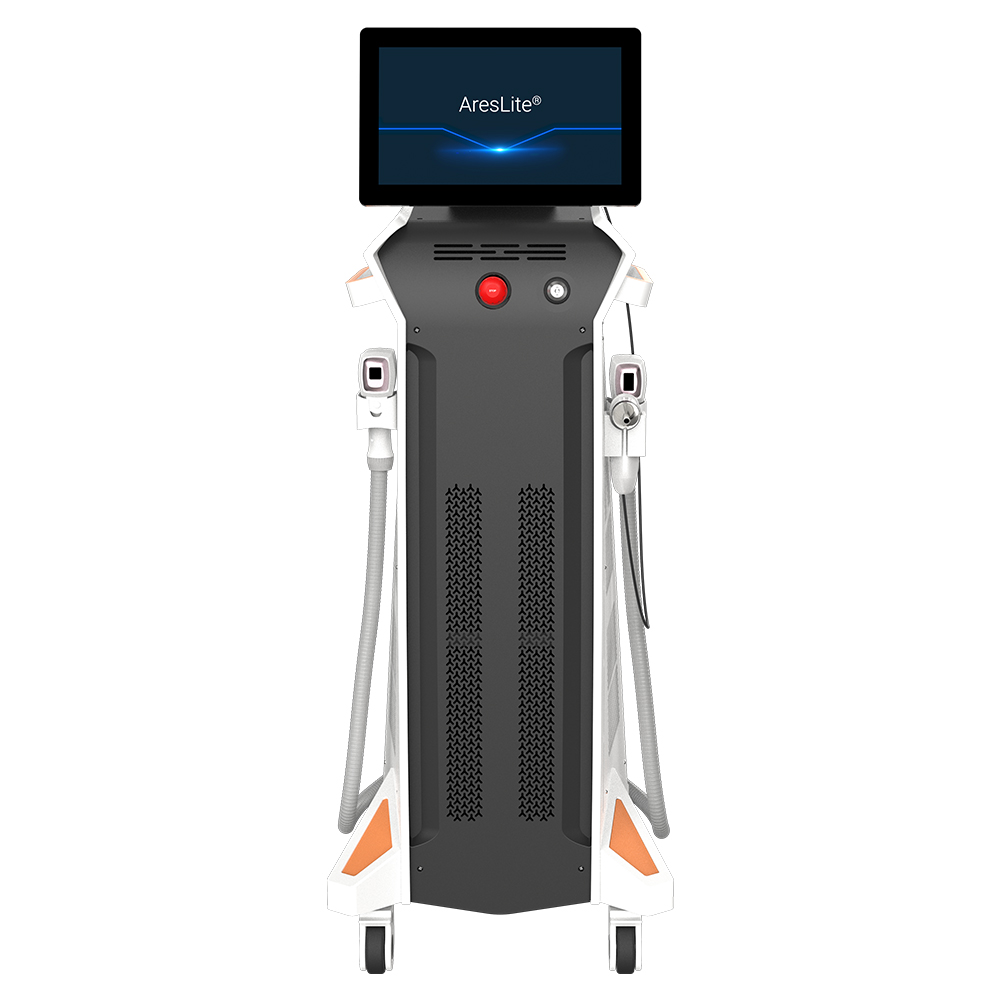
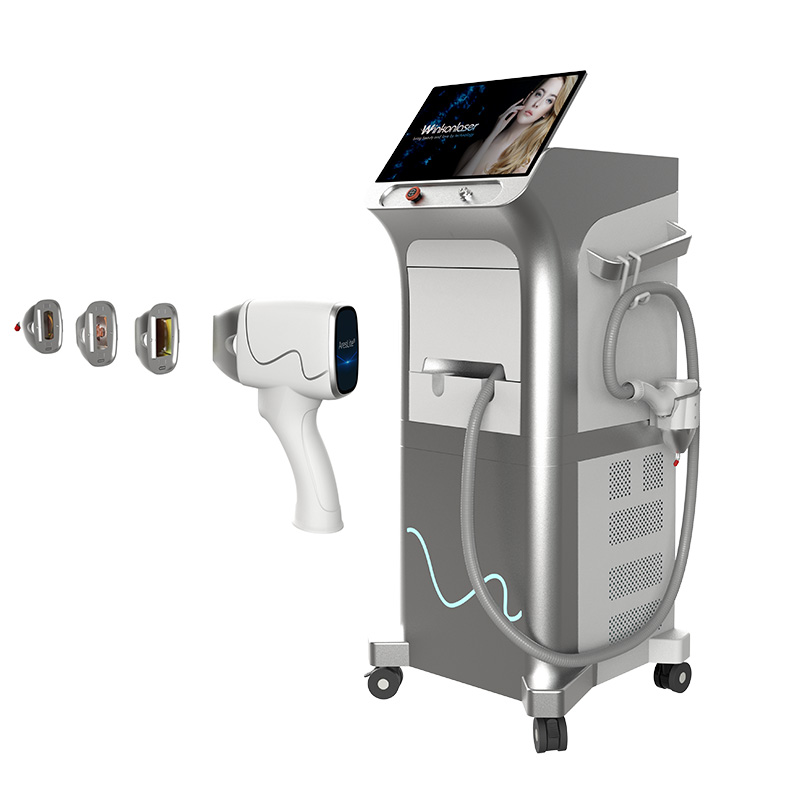
Quick answer: when you read a diode laser spec sheet, focus on wavelength, power, spot size, fluence, pulse frequency, cooling, shot rating, and clearance. The numbers only make sense together. A 3000W machine with a small spot and weak cooling can underperform a lower-power machine that is matched to your clinic volume and skin mix. For Winkonlaser’s DM60, the key figures are wavelengths of 755nm, 808nm, 940nm, and 1064nm, spot sizes from 6x6mm up to 12x36mm, a 1 to 20Hz frequency range, and a rated life of 100M shots.
I have seen clinic buyers choose a laser by wattage alone and then realize later that cooling, spot size, and service support were the things that decided whether the machine stayed busy. In my experience, the fastest way to avoid that mistake is to read the spec sheet as a system, not as a list of maximum numbers.
Wavelength comes first
Wavelength tells you where the laser energy is being absorbed. For hair removal, 808nm is the most common diode wavelength because it balances melanin absorption and penetration. The DM60 also offers 755nm, 940nm, and 1064nm so an operator can match the setting to the client. A 755nm setting is more aggressive on lighter skin but is not suitable for very dark skin. A 1064nm setting is often the safer starting point for darker skin, but it still requires operator judgment and a proper test spot. Do not read wavelength as a promise that one machine is safe for every skin type.
Power is not the whole story
The DM60 is available at 1200W, 1800W, and 3000W, but power alone does not tell you how well a machine will treat hair. You also need to know the spot size, the energy per pulse, the fluence, and how well the cooling system removes heat. A high-power machine with a small spot and weak cooling can force the operator to work slowly or can make treatment less comfortable. When you compare machines, ask for the power rating together with the spot size and the cooling method.
Spot size and fluence
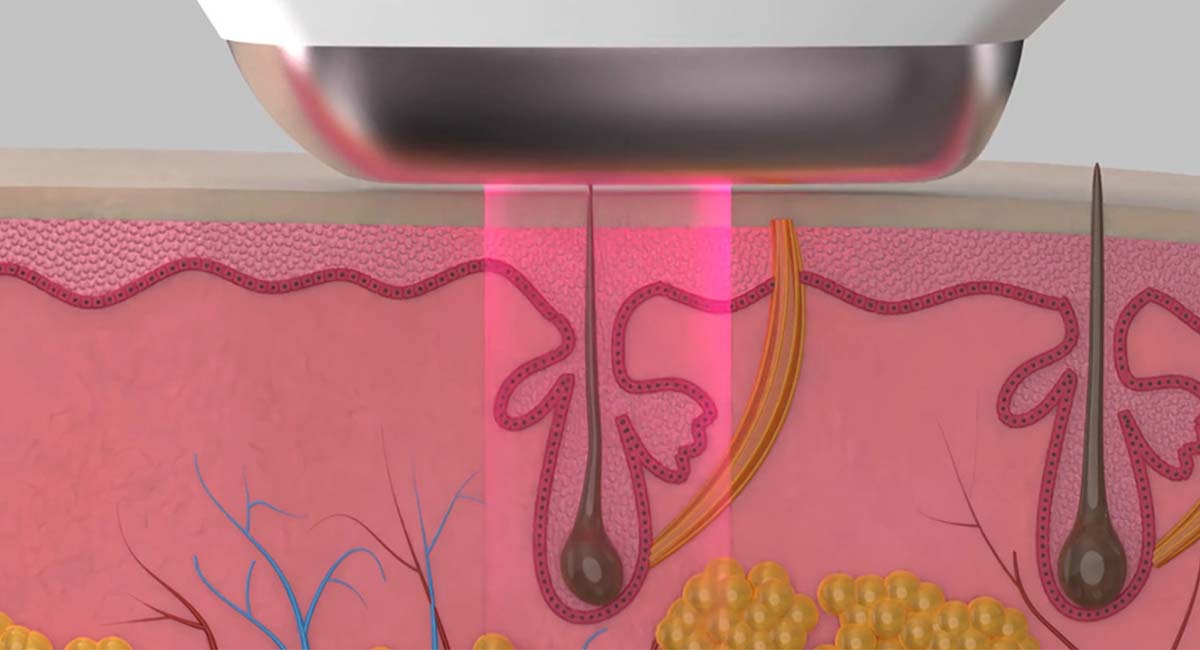
Spot size is the area treated by one pulse. Larger spots usually cover an area faster and can penetrate more evenly, while smaller spots can be useful for smaller or more delicate areas. Fluence is the energy delivered per unit area, usually shown in J/cm2. A useful comparison is energy divided by spot area, because a spec sheet that lists only energy without spot size is hiding part of the picture.
Pulse frequency and shot rating
Frequency tells you how many pulses the machine can fire per second. The DM60 runs from 1 to 20Hz. A higher frequency can speed up a session, but it also moves the machine toward its rated service life faster. The 100M shot rating is a reference for the handle or diode stack, not a guarantee of a fixed number of years. Heavy daily use reaches that limit sooner than part-time use.
Cooling and serviceability
Cooling protects the diode and makes treatment more tolerable. The DM60 combines an ICE semiconductor cooling system with sapphire, air, and water cooling. If the water loop or filters are not maintained, the diode can overheat and shorten its own life. I always ask whether the diode is replaceable and what a replacement stack costs. A replaceable diode is easier and usually cheaper to service than a sealed handpiece.
Clearance and certification boundary
Certification claims need the same scrutiny as the other numbers. The DM60 and DM40P are FDA 510(k) cleared under K241860 for laser hair removal. That clearance does not apply to picosecond, CO2, HIFU, or fat-reduction machines in the range. Those categories are CE MDD and ISO 13485 only. If a supplier attaches one clearance number to every machine they sell, that is a warning sign. Verify the exact model number on the certificate before you import.
DM60 specifications at a glance
-
Wavelengths: 755nm, 808nm, 940nm, 1064nm
-
Power options: 1200W, 1800W, 3000W
-
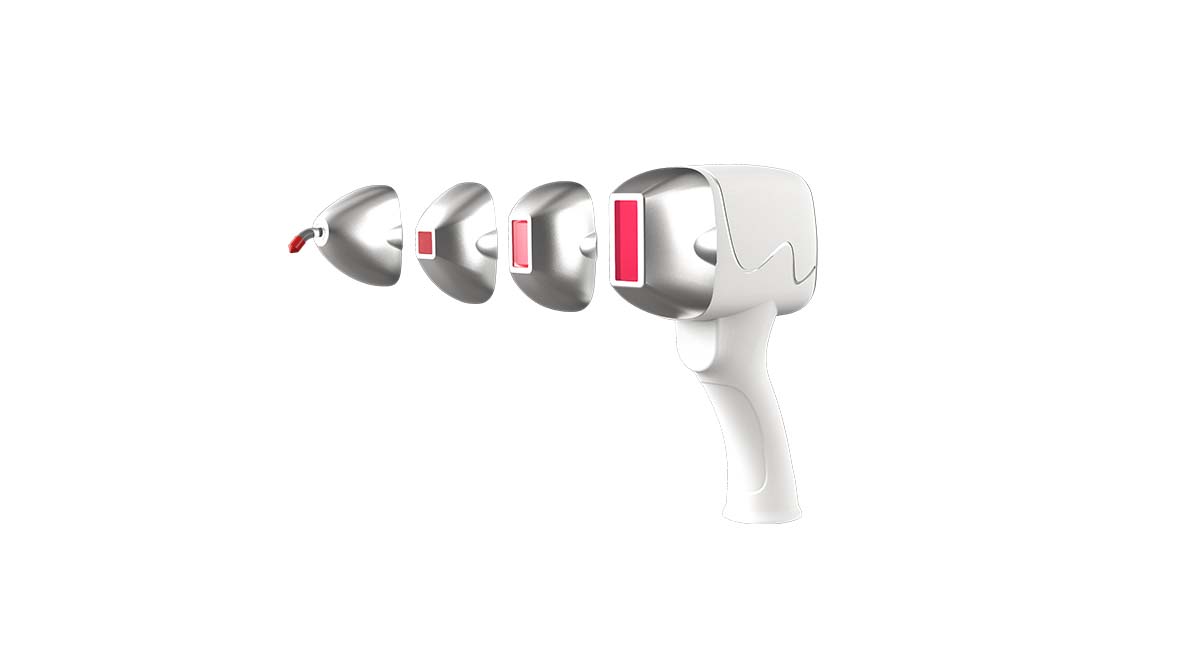
Spot sizes: 6x6mm, 12x12mm, 12x24mm, 12x36mm
-
Frequency: 1 to 20Hz
-
Rated shots: 100M
-
Diode: replaceable, non-crystal
-
FDA 510(k): K241860
Questions to ask before you buy
-
What wavelengths does the machine offer, and which one fits my client mix?
-
What is the spot size range and the corresponding fluence?
-
How does the cooling system work, and what maintenance does it need?
-
Is the diode replaceable, and what does a replacement cost?
-
Can the supplier match the clearance or certificate to the exact model I am buying?
If a supplier is vague on any of these, treat it as a warning sign. Winkonlaser has been building this category since 2012 and exports to 120+ countries, and its main unit and handpiece carry a two-year warranty with lifetime technical support. Those facts help, but they do not replace reading the spec sheet before you commit. If you need the figures confirmed in writing, send your clinic volume and treatment mix through the contact page.
FAQ
Q: What is the most important spec in a diode laser?
A: Wavelength and cooling are the most important starting points because they affect both safety and the treatment result. Spot size, fluence, frequency, and serviceability then decide whether the machine fits your clinic volume.
Q: Does higher wattage mean better hair removal?
A: Not by itself. Power needs to be read together with spot size, fluence, and cooling. A high-power machine with weak cooling or an awkward spot size can still underperform.
Q: What is fluence?
A: Fluence is energy per unit area, usually shown in J/cm2. Comparing energy divided by spot area gives a clearer view of the treatment dose than looking at power alone.
Q: Is the DM60 FDA cleared?
A: Yes. The DM60 and DM40P are FDA 510(k) cleared under K241860 for laser hair removal. That clearance does not extend to other categories in the Winkonlaser range.
Q: What does a 100M shot rating mean?
A: It is a reference service life for the handle or diode stack, not a fixed number of years. Daily heavy use reaches the limit sooner, and maintenance and power settings affect the real figure.
Q: Can one diode laser safely treat every skin type?
A: No. Wavelength and operator judgment matter, especially for darker skin. A 755nm setting is not suitable for very dark skin, and any new client should have a proper test spot.
Read the spec sheet before you commit
The best time to ask about wavelength, spot size, cooling, and service cost is before you order. If you want the DM60 figures confirmed in writing for your market, send your clinic volume and treatment mix through the contact page.