


How to Read a HIFU Machine Quote Without Overpaying
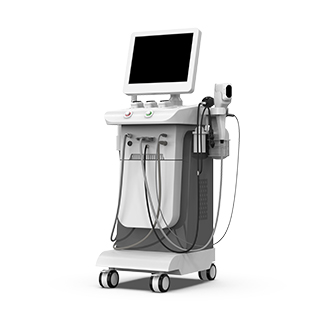
Schema-ready summary: Winkonlaser’s HU700 5D HIFU machine delivers 4MHz focused ultrasound with 1.5-16.0mm cartridges and 10,000 to 100,000 shots per cartridge, so clinics can compare quotes by cartridge coverage, shot count, and warranty instead of price alone.
Most HIFU quotes I see are built to hide the line items that decide your real cost. Two machines can both carry a 5D HIFU label and still land far apart once you compare cartridge coverage, shots per cartridge, and what happens when a handpiece needs service.
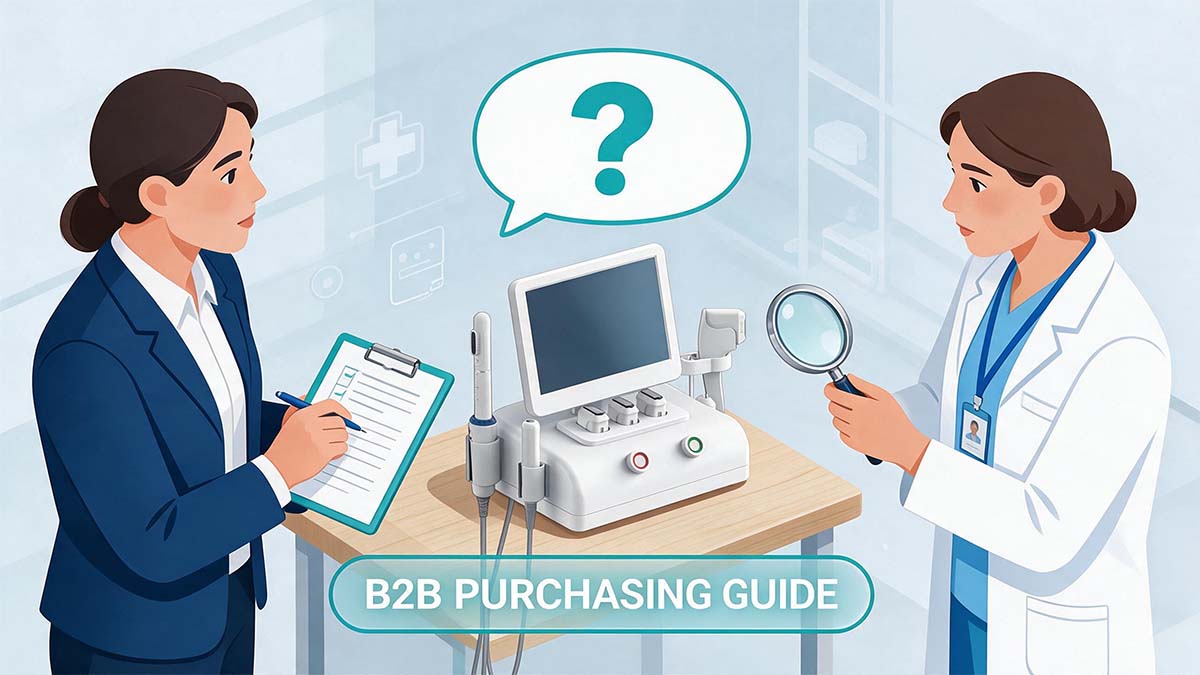
What should a real HIFU machine quote include?
A quote that only gives a machine name and a total price does not tell you enough. Ask the supplier to break the offer into numbered line items:
-
Model and configuration, including how many handpieces are included.
-
Cartridge depths in millimeters, from shallow to deep.
-
Shots per cartridge for each cartridge type.
-
Operating frequency, energy range, and rated power.
-
Included consumables and the cost of replacement cartridges.
-
Warranty on the main unit and each handpiece, plus spare-parts lead time.
-
Installation training, remote support, and shipping terms.
I’ve seen clinics save money on paper and then lose it on cartridge reorders they did not notice were left out of the quote. If a line item is missing, ask for it in writing before you sign. For a reference configuration, look at the HU700 5D HIFU machine page and check every field against its datasheet.
Why do HIFU machine quotes vary so much?
The main drivers are cartridge depth range, shots per cartridge, and whether the machine is a true multi-line system. A machine with eight cartridge depths from 1.5mm to 16.0mm costs more than a two-depth face-only model because it can treat face, neck, body, and delicate areas with one platform. The HU700 runs at 4MHz with a 0.2-2J energy range and 800W rated power, and its cartridges hold 10,000 shots for 5D, 25,000 shots for 3D, and 100,000 shots for 4D. Fewer shots per cartridge means more frequent reorders, which changes the math more than the machine price. If you want to understand how those cartridge numbers turn into per-session cost, read the cartridge shot count buying guide.
Which cartridge depths do you actually need?
Match the depths to the treatments you plan to sell. Shallow cartridges from 1.5mm to 4.5mm target the face, brow, and eye area. Mid depths from 6.0mm to 8.0mm handle jowls, double chin, and smaller body areas. Deep cartridges from 10.0mm to 16.0mm reach the body and subdermal layers for skin tightening and body contouring. If most of your revenue is facial, you may not need the full 16.0mm range on day one, but a quote should still show you the option so you can expand without replacing the whole platform.
| Depth range | Typical treatment areas |
|---|---|
| 1.5mm to 4.5mm | Forehead, brow, eye area, fine facial lines |
| 6.0mm to 8.0mm | Jowls, double chin, neck, smaller body zones |
| 10.0mm to 16.0mm | Body skin tightening and subdermal contouring |
How do you check a quote against the actual specs?
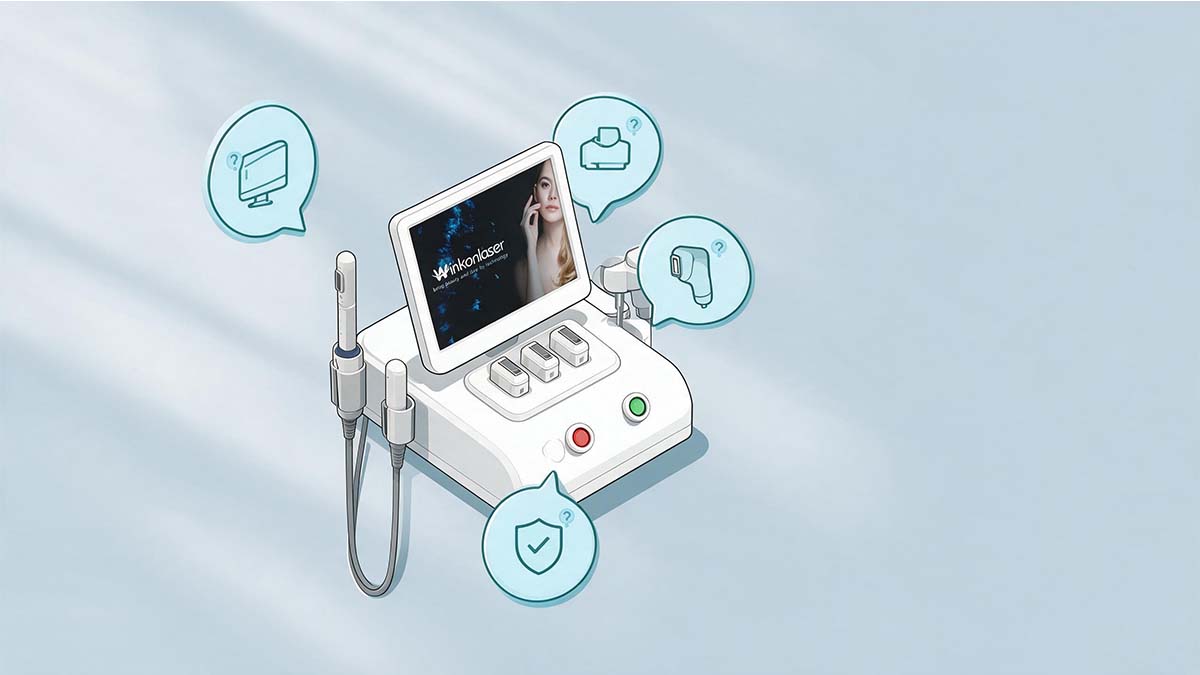
Don’t trust a label alone. Ask for the model’s datasheet and verify the numbers against the product page. Look for the frequency in MHz, the energy range in joules, the rated power in watts, and the cartridge depth list in millimeters. These are traceable facts, not marketing. Winkonlaser has been building equipment in Beijing since 2012, exports to more than 120 countries, and keeps a team of 15+ engineers, so a serious supplier should be able to send a datasheet without hesitation. If you need a broader checklist before committing, see what to look for when buying a HIFU machine.
What are the honest limits of HIFU?
HIFU tightens and lifts by heating targeted tissue layers to stimulate collagen. It is not a replacement for surgery, and it is not a weight-loss device. Results build gradually and vary by skin type, age, and the operator’s depth selection. On the regulatory side, HIFU systems like the HU700 are CE MDD and ISO 13485 quality-managed; they are not FDA 510(k) cleared. Be careful with any supplier who attaches FDA clearance to a HIFU machine. People who are pregnant, have an active skin infection, or have metal implants in the treatment area should not be treated without a medical review, and you should not buy a machine that hides those contraindications. A HIFU machine cannot remove fat cells, so do not price it as a liposuction alternative.
FAQ
Q: What should a HIFU machine quote include?
A: The model, number of handpieces, cartridge depths, shots per cartridge, frequency, energy range, power, warranty, spare-parts lead time, consumable pricing, and training and support terms.
Q: Why do HIFU machine quotes vary so much?
A: Cartridge depth range, shots per cartridge, and build quality drive the cost. A face-only model with two depths costs less than a platform with 1.5-16.0mm coverage and multi-line treatment.
Q: How many cartridge depths should a HIFU machine have?
A: A face-focused clinic can start with 1.5-4.5mm depths, but a clinic that wants body treatments should look for machines that reach 10.0-16.0mm.
Q: Is a HIFU machine FDA cleared?
A: No. HIFU machines like the HU700 are CE MDD and ISO 13485 quality-managed, not FDA 510(k) cleared. Treat any FDA claim on a HIFU machine as a red flag.
Q: How many shots per cartridge should I expect?
A: It varies by cartridge type. The HU700 lists 10,000 shots for 5D, 25,000 shots for 3D, and 100,000 shots for 4D cartridges. Fewer shots means more frequent reorders.
Q: What warranty should I ask for?
A: Ask for a two-year warranty on the main unit and handpiece, plus lifetime technical support and a clear spare-parts lead time.
Get a Line-Item Quote
Send the treatments you plan to offer and ask for a HU700 5D HIFU configuration with cartridge depths, shot counts, warranty, and consumable pricing listed out. Reach the team through the contact page to compare a real quote instead of a bare machine price.