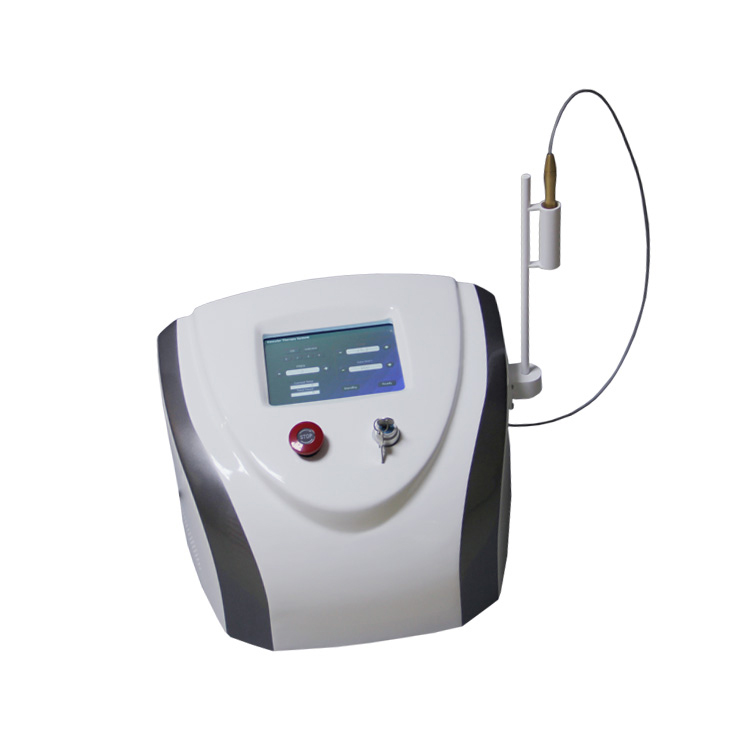



Vascular Laser Machine Cost: What to Pay For and What to Skip
Table of Contents
A “vascular laser” can be quoted at $3,800 or at $31,500. Same two words, nine times the price, and both quotes can look professional.
Most buyers treat that gap as a negotiation problem. It is not. The cheap quote and the expensive quote are usually different machines wearing the same label, an IPL board with a sticker, or a real 980nm diode with cooling and certification behind it. Read the wavelength, the cooling, and the paperwork before you read the price, because the price only makes sense once you know which of those machines you are looking at. This guide shows you how to tell them apart, which tier fits the clients in your chairs, and what to charge per session so the machine pays for itself in 3-8 months.
Six Decisions Behind the Price Tag
Nobody sits down and invents a vascular laser price. The number is the sum of six decisions the factory made, and each one moves the final quote:
Laser source and wavelength. A genuine medical-grade diode at 980nm costs real money to build. A repackaged IPL board costs a fraction of that. The wavelength decides whether the machine can actually close spider veins and telangiectasia or whether it just heats the skin surface and hopes. This is the single biggest price driver, and it is invisible in a brochure photo.
Power and duty cycle. A 30W laser with a proper cooling loop can treat all day. An underpowered unit starts overheating after a few sessions and the operator starts rushing to keep the schedule. Continuous-duty capability is engineering, and engineering is what you are paying for.
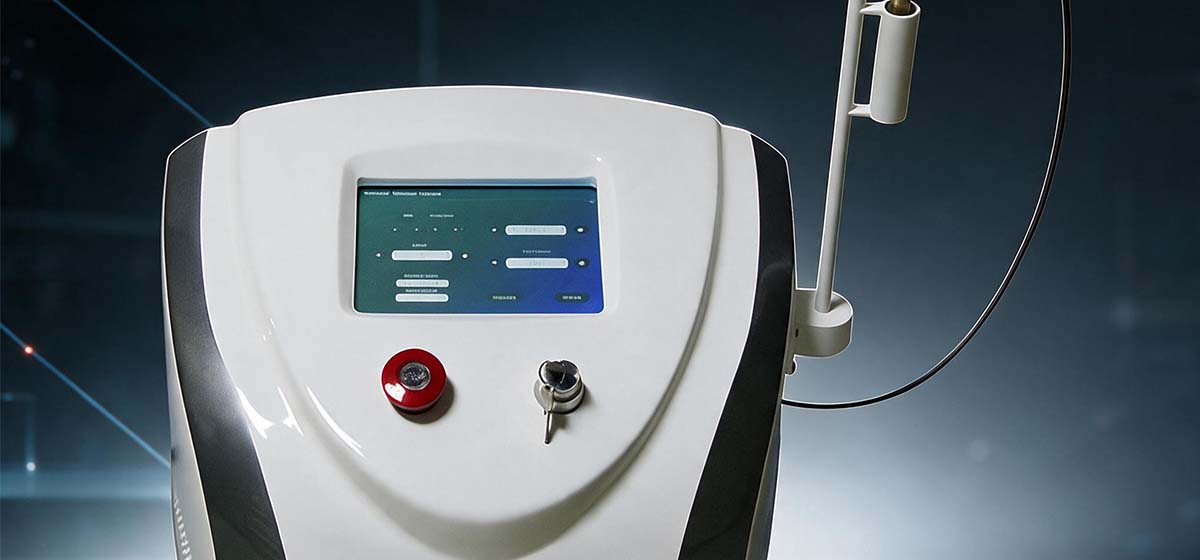
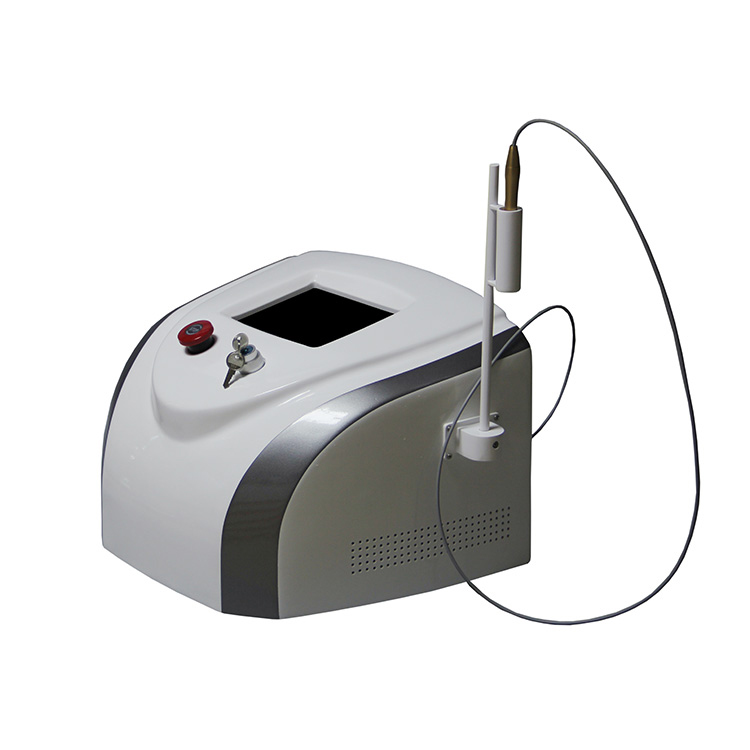
Dual technology. Machines like the EB90 pair a 980nm diode with a 13.56MHz radio frequency module. The RF mode blocks telangiectasia and lets one machine also handle milia, small bumps and light pigmentation. That wider service menu is why dual-platform units sit above single-function machines in price, and why they earn more per square meter of clinic floor.
Cooling. The gap between a cheap fan and real contact cooling can be several thousand dollars. It is also the difference between treating Fitzpatrick IV-VI skin safely and booking a lawsuit.
Certification and documentation. CE marks, FDA-listed components, ISO 13485 audits, test reports. Real paperwork costs manufacturers real money, and it shows up in the price. A machine with zero documentation is cheap for a reason: the clinic carries the risk instead of the factory.
Brand and service network. A legacy European brand charges for its name and its local technicians. A factory-direct manufacturer removes the middleman markup and answers support calls from the same building that builds the machine. Winkonlaser has been building aesthetic equipment since 2012 and exports to more than 120 countries, and in my experience that track record shows up in beam consistency and in spare parts that actually arrive.
Vascular Laser Cost by Class: Four Tiers
These ranges reflect what clinics report paying, and they overlap at the edges. Use them as a map, not a menu:
| Machine Class | Typical Range | What You Get |
|---|---|---|
| Entry-level IPL-based units | $1,000 – $3,000 | Broad-spectrum light, weak vascular efficacy, basic cooling, thin documentation. Often marketed as “vascular” but it is IPL |
| Single-wavelength diode units | $3,000 – $8,000 | A real 980nm diode at moderate power, decent cooling, fine for light vascular work |
| Dual-technology diode + RF units | $6,000 – $15,000 | 980nm laser plus RF module, proper contact cooling, multi-service menu. The practical clinic workhorse |
| Premium multi-platform systems | $15,000 – $40,000+ | Brand platforms with wide treatment menus, service networks, and premium pricing |
The honest advice we give every clinic that asks: for vascular work specifically, the dual-technology tier is where the value lives. Below it you are usually buying an IPL in disguise. Above it you are paying for brand and for features a single-room clinic may never switch on.
One rule before you compare quotes: machines in different tiers are not the same product at different prices. If two suppliers quote $4,000 and $28,000 for “the same” vascular machine, one of them is describing a different machine.
The Spec Sheet Test
A price means nothing until the spec sheet matches the claim. I have watched buyers forward two competing quotes and ask which machine is real; the answer is almost always in the wavelength. Here is what a real dual-technology vascular machine’s numbers should look like, using the EB90 as the reference:
-
Wavelength: 980nm. Near-infrared, absorbed strongly by hemoglobin while melanin absorption stays low. This is the wavelength that makes vascular work safe across a wide range of skin tones. If the sheet says “IPL” or hides the wavelength, walk away.
-
Laser power: 30W. Enough for real vascular work with meaningful spot coverage, without the overheating problems of underpowered units.
-
Frequency 1-20Hz, pulse width 1-200ms. Adjustable parameters let the operator match the energy to vessel size and skin type instead of fighting a fixed setting.
-
13.56MHz RF module. The second technology that blocks telangiectasia and extends the menu to milia, warts, fat granules and light pigmentation.
-
635nm indicator beam. A visible aiming beam so the operator knows exactly where the energy lands.
-
Certification paperwork you can audit. CE, FDA-listed components, ISO 13485. If the supplier cannot produce documents, that absence is itself the spec.
Here is the red flag to memorize: “quad-wavelength” or “multi-technology” marketing labels with no measured power spec, no real cooling figure and no documentation. That combination is how entry-level IPL boards get sold at mid-tier prices. Ask for the written spec sheet and check the wavelength before you check the discount.
What to Charge Per Session
The machine is a cost center until you price the treatment. Session pricing varies by market, but the structure is consistent:
-
Consultation and patch test. Often bundled into the first session or charged as a small fee. Never skip the patch test.
-
Facial spider veins. Priced per session or per area. Most patients need 2-4 sessions.
-
Leg spider veins. Priced higher than facial work, usually per area or per session, with more sessions required.
-
Small lesions (milia, warts, fat granules). Commonly charged per lesion or per small area. Fast, high-margin add-on work.
-
Pigmentation spots. Charged per area, often combined with vascular work in one visit.
The pricing insight that protects your revenue: sell vascular work as a package of 2-4 sessions, not as single treatments. Packages protect your income when results take multiple sessions, and they protect the patient from paying session by session with no plan. Add lesion and pigmentation work to the same appointment and the average ticket rises without extra chair time.
ROI: When the Machine Pays for Itself
Run this math with your own numbers before you buy. This is the framework:
Step 1, monthly capacity. A vascular session runs roughly 20-30 minutes including prep. One machine can do 8-12 sessions a day. Assume 10 sessions over 22 working days: 220 sessions of monthly capacity.
Step 2, realistic utilization. No clinic hits 100% in year one. Assume 30-40% while you build the service: 66-88 sessions a month.
Step 3, revenue. Plug in your own session price. Add lesion removal and pigmentation work, which carry higher margins per minute than almost anything else in the room.
Step 4, payback. Divide machine cost plus shipping, training and consumables by monthly revenue. A dual-technology machine in the $6,000-$15,000 class typically pays for itself in 3-8 months at realistic utilization, before counting the repeat-business effect of package sales.
Vascular machines pay back faster than most aesthetic devices for three reasons: the demand is visible (clients point at their own skin), the competition is thin (most neighboring salons do not offer it), and the service menu is wide (vascular plus lesions plus pigmentation from one unit).
Hidden Costs That Turn Cheap Into Expensive
The purchase price is the beginning, not the total. These are the costs clinics forget, and they are exactly where a cheap machine becomes expensive:
Weak cooling costs bookings. A machine that overheats after three sessions forces you to slow down or cancel. Every cancelled appointment is lost revenue plus a disappointed client who may not come back.
Missing documentation costs licenses. In many regions, local licensing and insurance require certification paperwork. A machine without it can sit idle while your competitor treats.
Distant service costs weeks. When the handpiece fails and the supplier’s response is measured in weeks, the machine’s revenue stops. Check spare parts lead time and warranty terms before you sign, not after.
Consumables nobody mentioned. Cryogen and replacement handpieces add up quietly. Dual-technology diode + RF designs like the EB90 avoid the cryogen trap entirely, which is one reason running costs stay low.
In my experience, the clinics that regret a vascular purchase almost always bought on price alone. The clinic that asks for a one-hour engineering call with the supplier before signing is usually the one that keeps the machine for five years.
Worth It for a Small Clinic?
Yes, with one condition: you actually run the service. The machine does nothing in a cupboard.
What makes vascular work unusually attractive for a small clinic:
-
No consumables in the classic sense. The laser + RF design has no cryogen or gel dependency.
-
Three revenue lines from one purchase. Vascular, lesions and pigmentation cover a wide menu from a single unit.
-
Repeat business. Two to four session packages plus annual maintenance visits build a predictable client base.
-
Low competitive pressure. Most neighboring salons do not offer it, so you are not competing on price.
One limitation worth stating plainly: vascular treatment is not a cure for large varicose veins and it will not replace a full dermatology service. For the common complaints, spider veins, telangiectasia, broken capillaries, small lesions, light pigmentation, it is one of the most profitable additions a small clinic can make. If you want the treatment side in more depth, our guide to spider vein removal machines covers the technology and what to check before buying.
Safety, Contraindications and Limitations
Vascular laser treatment is safe when performed correctly, but it is not for every client.
-
pregnant women
-
people with pacemakers or implanted electronic devices
-
clients with active skin infections or open wounds in the treatment area
-
anyone with known photosensitivity or a history of keloid scarring
Always perform a patch test before the first full treatment, and use proper eye protection for both operator and client.
FAQ
Q: How much does a spider vein removal machine cost?
A: Entry-level IPL-based units run $1,000-$3,000 but are weak for vascular work. A real 980nm diode machine runs $3,000-$8,000. Dual-technology diode + RF machines like the EB90 sit at $6,000-$15,000, and premium multi-platform systems can exceed $40,000.
Q: Why do vascular laser quotes vary so much?
A: Because the machines are genuinely different. The wavelength (IPL board vs real 980nm diode), power, cooling, certification and service network each move the price. Two quotes that look similar may be for different tiers of machine wearing the same label.
Q: How much can a clinic charge for spider vein removal?
A: Facial spider vein sessions are typically priced per session or per area, with most patients needing 2-4 sessions. Leg vein work is priced higher per session. Package pricing is the standard model and protects both clinic revenue and patient expectations.
Q: How fast does a vascular laser machine pay for itself?
A: At realistic utilization of 30-40% of capacity, a dual-technology machine in the $6,000-$15,000 class typically pays for itself in 3-8 months, before counting package sales and repeat business.
Q: Is a cheap vascular laser machine worth buying?
A: Usually not. Machines below the $3,000 range are typically IPL in disguise, weak on vascular work with weak cooling and thin documentation. The hidden costs, downtime, licensing problems and weak results, quickly exceed the savings.
Q: Does the EB90 need consumables like cryogen?
A: No. The EB90 combines a 980nm diode laser with a 13.56MHz RF module and uses contact cooling, so there is no cryogen or gel dependency. Running costs are limited to electricity and normal servicing.
The Bottom Line
A vascular laser is one of the few aesthetic purchases where the demand is already visible in your waiting room: clients point at their own spider veins every week. The price range is wide because the machines are genuinely different, and the difference lives in the spec sheet, wavelength, power, cooling, dual technology and certification.
Run the ROI model before you buy, price treatment packages properly, and choose a machine with real documentation and a service network. Done right, vascular treatment becomes a 3-8 month payback investment with three revenue lines from one machine.
Ready to see exact pricing for your clinic? Contact our team for a quote and configuration options, or browse the EB90 red blood vessel removal machine directly.