


What Fractional CO2 Laser Maintenance Costs Over Three Years
Table of Contents
Quick answer: the tube is the largest maintenance line, but the lens, cooling water, smoke evacuation, and downtime usually decide whether a fractional CO2 laser stays profitable. A DC glass tube often lasts 1 to 2 years and needs replacement, while a quality RF metal-ceramic tube is usually rated for 3 to 5 years. A 10,600nm machine also needs distilled water changed about every 90 days, clean handpiece lenses, a working smoke evacuator, and a cool treatment room.
Most clinics compare the purchase invoice, but the maintenance ledger is what actually decides the three-year cost. I have seen a low-priced CO2 machine look smart for six months, then lose a week of bookings to a cracked lens or a failed tube. The buyer saved a few thousand dollars at the start and gave it back through lost appointments and repair freight.
This guide treats fractional CO2 maintenance as an operating budget, not a list of occasional repairs. It covers the tube, consumables, downtime, cooling, operator care, and the compliance wording you should not accept on faith.
The tube is the largest maintenance number
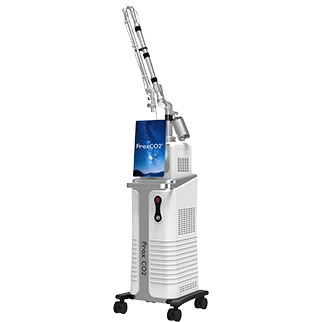
A fractional CO2 laser is built around a 10,600nm carbon dioxide tube. The tube is not a permanent part. It wears, and the two main types have very different maintenance profiles.
A DC-excited glass tube is the cheaper route. It is commonly rated for a 1 to 2 year service life, and output can drift as the gas inside heats and ages. A replacement DC tube is a modest line item, but the clinic also absorbs the shipping, installation, and the time the room sits empty.
An RF-excited metal-ceramic tube costs more up front and is usually rated for 3 to 5 years. It holds output more steadily and tends to produce cleaner treatment zones with less thermal spread. For a clinic running acne scar and resurfacing work daily, that longer life usually wins over three years.
The practical question to ask a supplier is not “does it have a tube”. It is “which tube is inside, who made it, what is the rated life, and what does a replacement cost including freight and installation”. A quote that hides the tube type is hiding the largest future expense. You can compare the full FC300 configuration and its 70W and 100W options on the Winkonlaser fractional CO2 product page.
Consumables you will actually buy
The tube is the headline, but several smaller parts repeat during normal use.
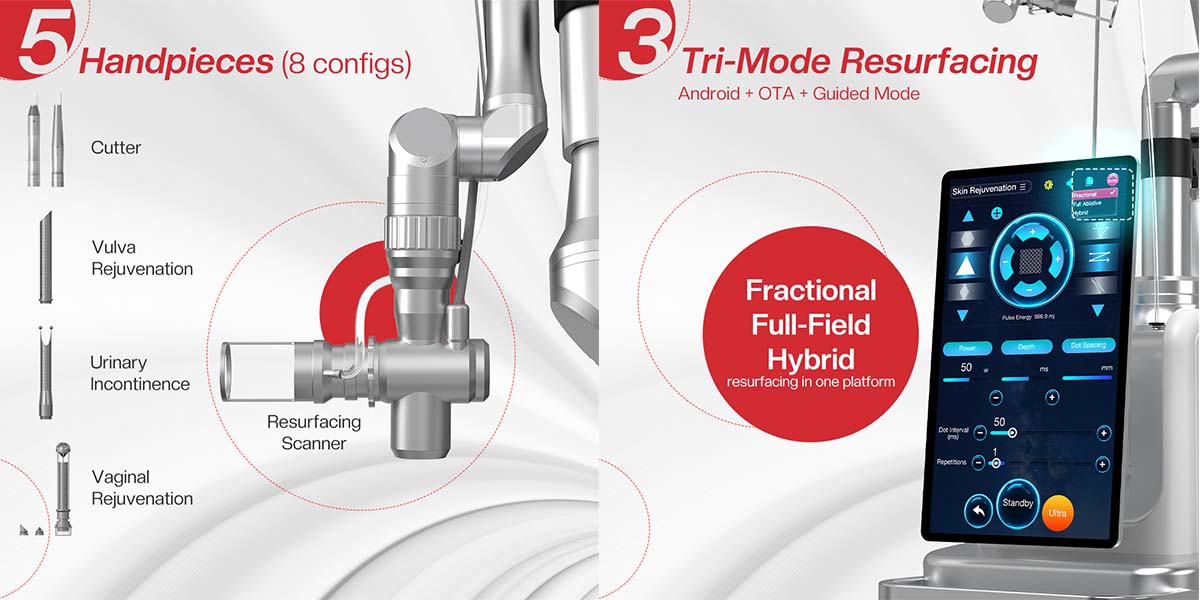
Handpiece lens
The handpiece lens is the most common routine failure. Smoke from ablation settles on the lens, the laser heats those particles, and the lens can crack. Clean the lens after every session, and keep spares in stock. Some manufacturers include a few spare lenses with the machine, but you will eventually order more.
Cooling water
Cooling water is another recurring item. Use distilled water only, and change it about every 90 days. Tap water leaves mineral deposits, and conductive deposits can create an arc path from the tube to the chassis. That is how an avoidable maintenance mistake becomes an expensive motherboard repair.
Smoke evacuation
Smoke evacuation is not an optional accessory. Ablative CO2 work produces a plume, and that plume is both a staff-safety issue and a maintenance issue. A good smoke evacuator protects the operator and stops acidic residue from settling on the articulated arm and handpiece optics. Treat the filters as a monthly consumable, not a one-time add-on.
You should also budget for minor service parts, remote training, and a local service call if the arm loses alignment after shipping or heavy use. An articulated arm that drifts out of alignment delivers less energy at the handpiece even when the display still reads normal.
Downtime is a cost, not an inconvenience
The most expensive maintenance event is not the part. It is the week or two the machine cannot earn.
Start with your own numbers. If a resurfacing session averages $1,500 and the clinic books four per week, one week of downtime is about $6,000 in lost revenue before you add the replacement part, shipping, and technician time. A two-week repair can erase the entire saving from a cheaper tube.
That is why spare-part location matters. A supplier with a local or regional warehouse can often send a lens, tube, or cooling component in days rather than weeks. Before you buy, ask how long a tube, lens, power supply, and motherboard take to reach your market, and whether installation support is included.
I have seen clinics put the purchase price on a spreadsheet and leave downtime out of the model. That is the same mistake as planning a treatment menu without counting the no-show rate. The machine earns only when it is available and booked.
Cooling and environment protect the tube
CO2 tubes run hot. A 100W tube can turn most of its input energy into heat, so the cooling loop is part of the machine’s survival plan. A small water tank or a hot treatment room shortens tube life and makes output sag during long sessions.
Keep the treatment room around 22 degrees Celsius. Use distilled water, change it on schedule, and check the coolant level before a full day of back-to-back cases. If the machine feels unusually light for the power rating on the label, ask what cooling volume and radiator design are inside. A serious 100W system is heavy because the cooling hardware has to carry that heat away.
The 100W CO2 engineering deep dive explains why cooling volume and room temperature matter more than the wattage sticker.
Operator training changes the repair rate
Many CO2 failures are operator errors, not manufacturing defects. A lens gets left dirty, the cooling water is topped up with tap water, or the arm is forced into a position it should not reach. A short factory training call is cheaper than a motherboard replacement.
Training should cover daily lens cleaning, coolant checks, smoke evacuator use, handpiece handling, and the post-ablative wound-care steps for patients. A supplier that only sends a manual leaves the clinic to learn the expensive lessons on its own.
Winkonlaser states a two-year warranty on the main unit and handpiece with lifetime technical support. The company was founded in Beijing in 2012, exports to 120-plus countries, and has a team of 15-plus engineers. Warranty and support still need to be confirmed by model and market, but the support structure is part of the maintenance picture.
The compliance wording to check
Maintenance and certification are connected because a machine that cannot be placed in your market becomes the most expensive downtime of all. For fractional CO2, do not accept a general “FDA cleared” statement as proof for the exact model. Ask for the model-specific CE MDD and ISO 13485 evidence for your intended market, and check the certification details.
ISO 13485 is a quality-management certification, not a device clearance. Keep the distinction clear in your own paperwork and in the service records. A supplier who blurs that line should be asked for the exact model number, certificate, and issuing body.
The honest limits
A maintenance plan does not make a fractional CO2 laser suitable for every client. The treatment is contraindicated for active skin infections, keloid-prone patients, pregnancy, and patients on isotretinoin. Darker skin also carries a higher post-inflammatory hyperpigmentation risk, and Fitzpatrick V to VI is generally not a CO2 resurfacing candidate. These limits do not disappear because the machine is well maintained.
The machine also does not fix a wrong diagnosis. It resurfaces skin, reduces scar tissue, and improves texture. It does not treat deep fat, and it will not turn a poor candidate into a good one. Maintenance keeps the device safe and available; patient selection still decides the outcome.
The three-year maintenance checklist
Before you compare quotes, ask for these in writing:
-
Tube type, manufacturer, rated life, replacement cost, and freight time.
-
Handpiece lens price and whether spare lenses are included.
-
Cooling design, water volume, and the distilled-water change interval.
-
Smoke evacuator filter cost and replacement schedule.
-
Spare-part lead times for the tube, lens, power supply, and motherboard.
-
Whether installation and alignment support are included.
-
Training scope and whether post-ablative wound-care protocols are covered.
-
Model-specific CE MDD and ISO 13485 evidence for your market.
If a supplier cannot answer those points, keep moving. The sticker price is only the first line of a three-year ledger.
FAQ
Q: What is the most expensive part of fractional CO2 laser maintenance?
A: Usually the laser tube. A DC glass tube often lasts 1 to 2 years, while a quality RF metal-ceramic tube is usually rated for 3 to 5 years. Ask for the replacement price and shipping time before you buy.
Q: How often should I change the cooling water?
A: Use distilled water and change it about every 90 days. Tap water can leave conductive mineral deposits that create an arc risk from the tube to the chassis.
Q: Why does the handpiece lens crack?
A: Smoke from treatment settles on the lens, the laser heats those particles, and the lens can crack. Clean the lens after every session and keep spare lenses in stock.
Q: Is smoke evacuation really part of maintenance?
A: Yes. A smoke evacuator protects staff from laser plume and stops acidic residue from corroding the articulated arm and optics. Budget for replacement filters as a recurring cost.
Q: Does maintenance affect treatment downtime?
A: Yes. A tube, lens, or motherboard failure can stop the machine for a week or more. Spare-part location and lead time often matter more than the part price itself.
Q: Are fractional CO2 machines Certificate cleared?
A: Confirm the model-specific CE MDD and ISO 13485 evidence for your intended market, and ask for the exact certificate number.
Build the maintenance cost into the quote
Build the maintenance cost into the quote before you compare fractional CO2 lasers. Start with the Winkonlaser CO2 buying guide, then contact the team at the Winkonlaser contact page with your monthly case volume, treatment mix, and market so you can confirm tube type, consumables, support, and spare-part lead times in writing.