


Who Should Not Receive EMS Body Sculpting?
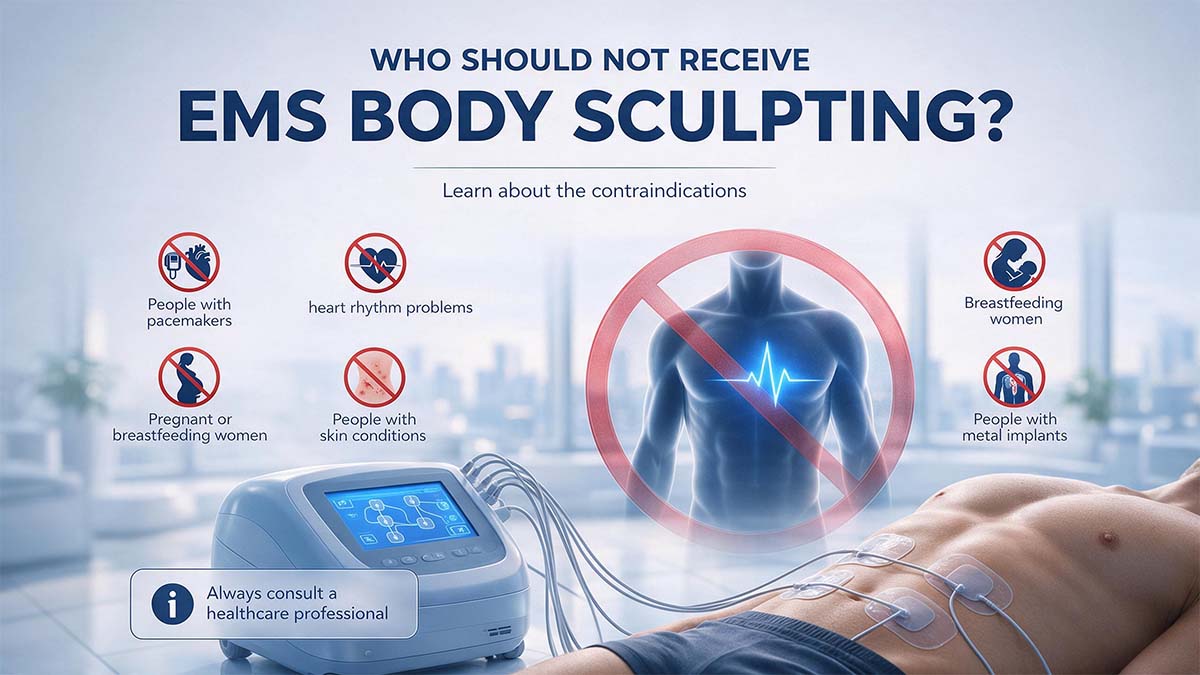
Quick answer: EMS body sculpting is not appropriate for every patient. Clinics should screen for implanted electronic devices, pregnancy, active infection, recent surgery, uncontrolled medical conditions, local metal or skin problems, and a history of poor healing before treatment.
The device is only one part of a safe service. The screening conversation, consent process, and operator judgment determine whether the treatment should proceed.
I have seen clinics focus on the treatment protocol and leave contraindication review to a short checkbox form. That creates inconsistency. The same patient may be accepted by one staff member and declined by another because the clinic has not defined the medical review process.
This guide is for clinic owners, physicians, nurses, and trained operators. It does not replace the device manual, medical director, or local regulations.
Why does patient screening matter?
Short answer: EMS uses electrical current to stimulate muscle, and RF-assisted systems add controlled heating. The treatment should be selected only when the patient’s medical history and treatment area are suitable.
EMS body sculpting is intended for muscle conditioning and body-contouring services according to the device’s cleared or approved use. It is not a weight-loss treatment and does not replace medical care.
RF-assisted systems can use frequencies in the 1MHz to 2MHz range, depending on the device. The clinic should verify the actual system specifications and follow the manufacturer’s protocol rather than assume every body platform works the same way.
Which medical conditions require caution?
Short answer: conditions that affect electrical safety, circulation, sensation, healing, pregnancy, or uncontrolled systemic disease may require exclusion or medical review.
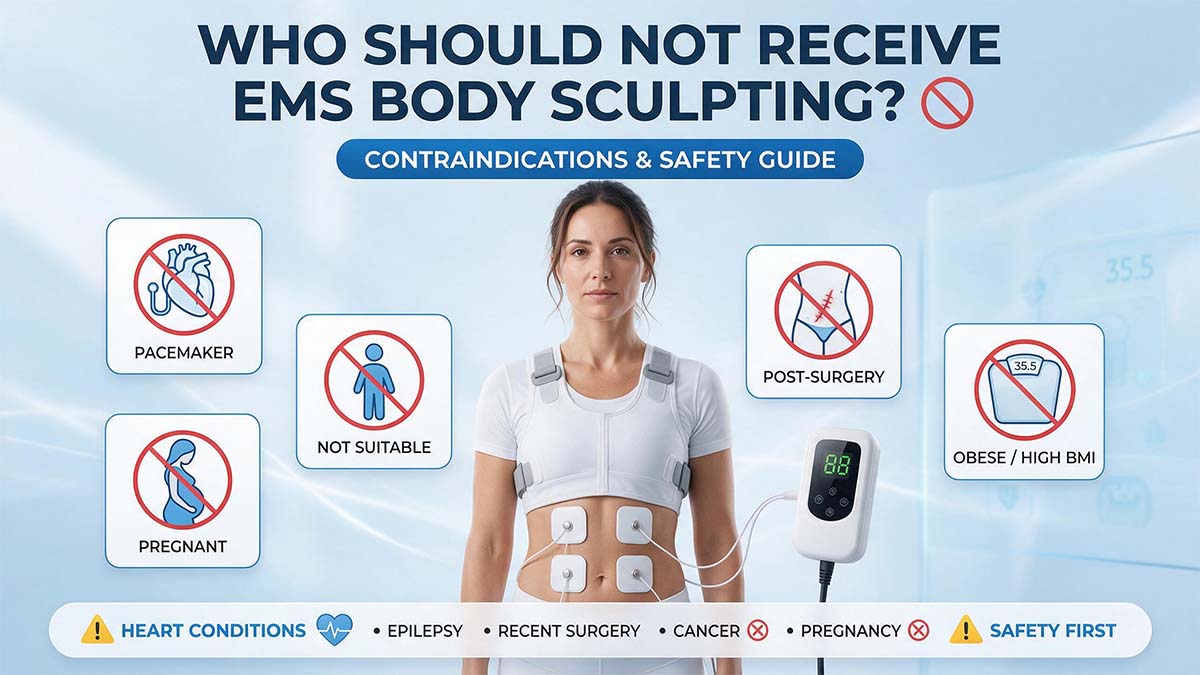
Examples may include:
-
Pregnancy
-
Implanted pacemakers or other electronic devices
-
Metal implants or conductive material near the treatment area
-
Epilepsy or a seizure disorder
-
Active cancer or treatment-related healing concerns
-
Uncontrolled cardiovascular disease
-
Significant circulation or sensation problems
-
Recent surgery in the treatment area
-
Active infection or open skin
-
A history of poor healing or keloid formation
The exact contraindication list must come from the device labeling and medical policy. This article provides a screening framework, not a diagnosis.
The clinic should separate a clear exclusion from a condition that needs medical review. A patient with an active infection in the treatment area is not a borderline case. A patient with a well-controlled condition and a stable implant history may still require written clearance. Creating one combined answer for every medical condition leads to inconsistent decisions.
The medical director should define which conditions the operator can screen independently and which require a physician or nurse review. The front desk should not make clinical decisions, and the operator should not pressure a patient to continue while a question remains unresolved.
What should the clinic check before treatment?
Short answer: the clinic should review medical history, medication, implants, treatment area, skin condition, treatment goals, and previous aesthetic procedures.
A practical intake should ask:
-
Are you pregnant, trying to become pregnant, or breastfeeding?
-
Do you have a pacemaker, defibrillator, neurostimulator, insulin pump, or other implanted electronic device?
-
Do you have metal implants, surgical clips, or foreign material near the treatment area?
-
Do you have epilepsy or a seizure disorder?
-
Do you have a bleeding disorder or take anticoagulant medication?
-
Have you had surgery in this area recently?
-
Do you have reduced sensation, active infection, or poor circulation?
-
Have you had fillers, threads, mesotherapy, or other treatments in the area?
-
What result do you expect?
If the answer creates uncertainty, the clinic should pause and arrange medical review rather than let the operator improvise.
How do implanted devices and metal affect safety?
Short answer: electrical stimulation and RF heating can create risk around implanted electronic or conductive material. The clinic must follow the device manual and obtain medical clearance when appropriate.
Patient disclosure is not always complete. Some patients do not consider a surgical clip or dental implant relevant to a body treatment. The intake form needs to ask about both electronic devices and metal in or near the treatment area.
The clinic should define an exclusion zone around the implant. It should not assume that moving the applicator a few centimeters is enough. The medical director and device instructions determine whether treatment is possible.
Which local skin conditions require delay?
Short answer: active infection, open wounds, severe dermatitis, unexplained lesions, recent burns, and significant sensory loss in the treatment area should be reviewed before treatment.
The body sculpting side effects guide covers expected reactions and warning signs. Screening should identify patients whose baseline skin condition makes those reactions harder to interpret.
A patient with a rash, broken skin, or recent cosmetic injection in the area may need to wait. Treating through inflammation makes it difficult to separate the device response from the pre-existing condition.
How should pregnancy, medication, and healing risk be handled?
Short answer: pregnancy should be excluded according to the device instructions and clinic policy. Medication and healing history should be reviewed before treatment.
Some medications affect bleeding, skin sensitivity, or healing. The clinic should not ask the patient to stop a prescribed medication on its own. Medical review is required when the medication creates a meaningful risk.
A history of keloids, slow wound healing, uncontrolled diabetes, or prior adverse reaction to energy-based treatment may change the plan. The goal is not to reject every patient, but to choose patients who fit the service safely.
What should the consent process explain?
Short answer: consent should describe the treatment, expected sensations, limitations, alternatives, common reactions, serious risks, and the patient’s responsibility to report changes.
The patient should know that EMS body sculpting is not guaranteed fat removal or weight loss. Results depend on treatment frequency, baseline muscle and fat, activity, diet, and individual response.
The consent should also state that the result is temporary and may require maintenance. Patients should not be promised a specific waist measurement or before-and-after outcome.
The clinic should keep the consent language aligned with the actual device use. If the device is cleared for muscle conditioning, the consent should not describe fat reduction as the primary outcome of the service.
How should clinics document contraindications?
Short answer: record the answers, the treatment area, the screening decision, who reviewed the case, and what the patient was told.
The record should include:
-
Medical history and medication
-
Implants and metal
-
Pregnancy status when relevant
-
Skin assessment
-
Previous aesthetic procedures
-
Device and applicator
-
Treatment parameters
-
Expected reaction and aftercare
-
Any exclusion or medical referral
-
Consent version and date
FEMALE patients may have different needs at different visits. Screening should be repeated when the medical history or treatment area changes.
FAQ
Q: Can patients with a pacemaker have EMS body sculpting?
A: Implanted electronic devices are a common exclusion. The device manual and medical review determine whether treatment is possible. The clinic should not decide by moving the applicator slightly.
Q: Is EMS safe during pregnancy?
A: Pregnancy is commonly listed as a contraindication or requires exclusion according to the device instructions. The clinic should follow its medical policy.
Q: Can patients with metal implants be treated?
A: Metal in or near the treatment area may create heating or current risk. Medical review and the device instructions are required before proceeding.
Q: Should patients with poor healing be treated?
A: A history of poor healing, keloids, or uncontrolled medical conditions may require a more conservative plan or exclusion.
Q: Is EMS a weight-loss treatment?
A: No. EMS body sculpting is not a substitute for weight management. It should be presented according to the device’s intended use and realistic limitations.
Q: How often should screening be repeated?
A: Repeat screening when the medical history, medication, treatment area, or goals change. A one-time form is not always enough.
Q: What should happen if the operator is unsure?
A: Pause treatment, record the concern, and refer the case to the appropriate clinician. The patient should not be treated while the clinic is guessing.
A practical clinic standard
Build a written screening form, require clinical review for uncertain cases, and document why the patient was accepted or declined. This protects the patient and makes the service more consistent.
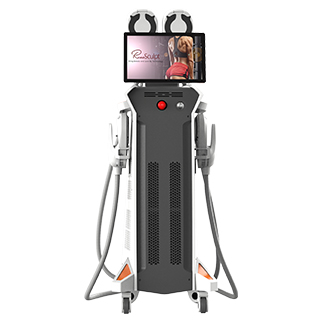
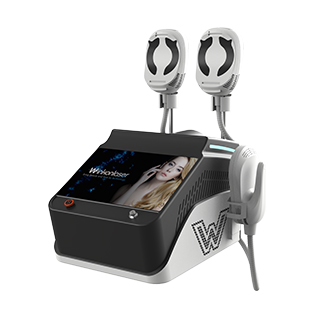
For device selection, review the Renasculpt FE60 EMS sculpting platform and the EMS sculpt ROI guide. If you need help matching the treatment protocol to your clinic workflow, contact Winkonlaser.
Winkonlaser was founded in 2012 and exports equipment to 120+ countries. That experience should support operator training, service access, and the screening discipline around the device. A contraindication form is not a substitute for a trained clinician.