


Check These Questions Before You Sign a Laser Distribution Deal
Table of Contents
A distributor agreement is easy to sign and hard to unwind. The signature takes a minute, but the obligations around stock, support, regulatory documents, and territory protection can follow you for years.
I’ve worked with enough overseas equipment buyers to know that the weakest part of a distribution deal is usually not the machine. It’s the missing detail in the agreement that only appears after the first container arrives.
This guide is for importers and distributors who are comparing medical aesthetic equipment suppliers. It’s focused on laser hair removal systems because that’s the category with the clearest commercial and regulatory pressure, but the same checklist works for HIFU, picosecond, CO2, and body-sculpting equipment.

Check What the Territory Really Means
Exclusive territory sounds valuable until you ask what protects it.
Ask the manufacturer to define the territory in writing. Is it a country, a region, a group of cities, or a single sales channel? Ask whether exclusivity applies to all products or only one model. Ask what happens when a competitor sells the same machine into your market through an online platform.
The answer matters more than the word “exclusive” on page one. A clear territory gives you a reason to invest in demos, training, and marketing. A vague territory leaves you financing demand that another dealer can capture.
Match the Certificate to the Model and Market
Before you accept a distributor role, ask which models can be sold into your target market and under which certificates.
FDA 510(k) clearance applies to specific models, not an entire catalog. For Winkonlaser, the DM60 and DM40P diode hair removal systems are listed under K241860. CE marking and ISO 13485 are separate documents with separate limits. A picosecond, CO2, or fat-reduction machine cannot borrow the diode clearance.
Ask the manufacturer for the exact certificate number for each model you plan to import. Then verify it yourself against the issuing body or the manufacturer’s published certification records. If the manufacturer will not provide a number, that’s a red flag.
Also confirm who is responsible for local registration in your country. Manufacturer certificates do not automatically make you legal to sell everywhere. In my experience, the distributors who ask this question before signing are the ones who avoid months of delay later.
Check What Happens After the Machine Lands
After-sales support is the part of the deal that shows up when something goes wrong.
Ask how the manufacturer handles warranty claims, spare parts, software updates, and technical questions. Get a written answer for response times, not just a promise that support exists.
A practical benchmark is the warranty on the main unit and handpiece. Winkonlaser offers a two-year warranty on those parts plus lifetime technical support, but you still need to know how a claim works from your time zone. Ask whether training is remote, on-site, or both. Ask whether the manufacturer can provide marketing assets, treatment protocols, and after-sales documentation in a language your customers can use.
Look at the Machine, Not Just the Agreement
The legal terms can be perfect while the product is wrong for your clinics.
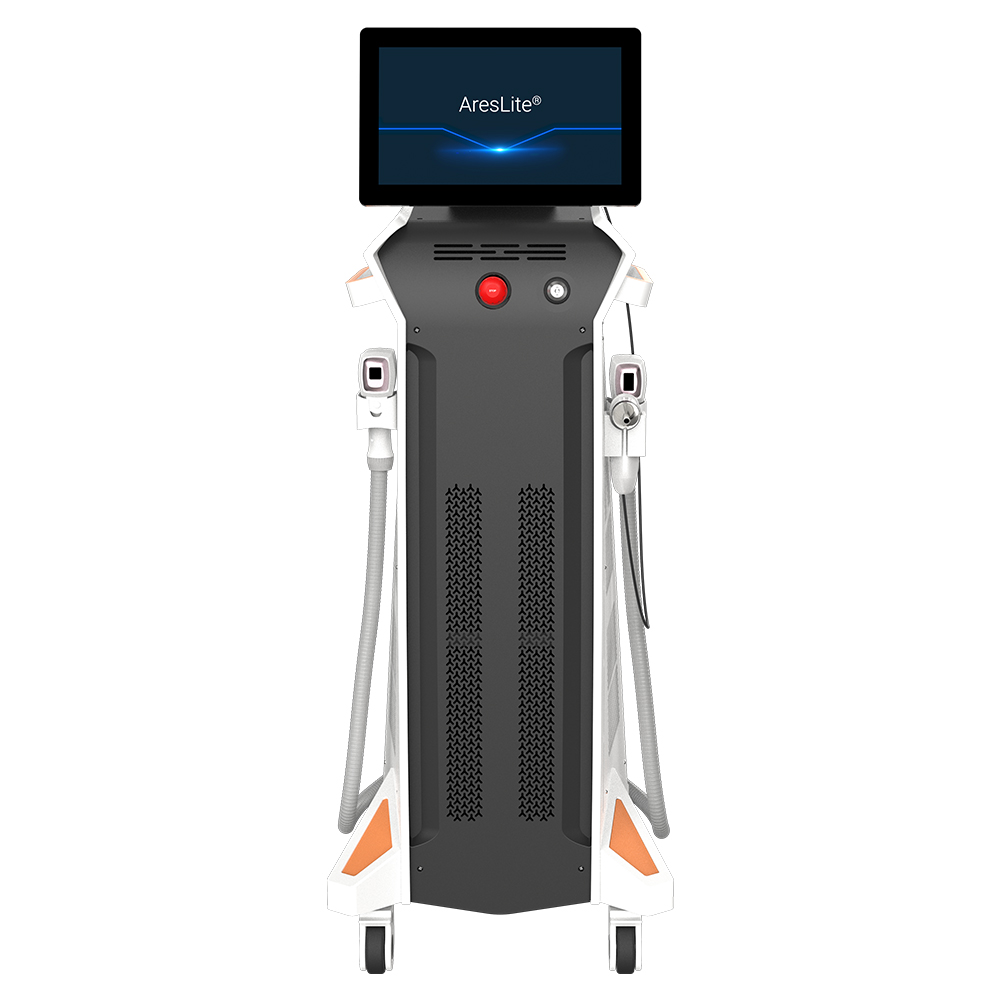
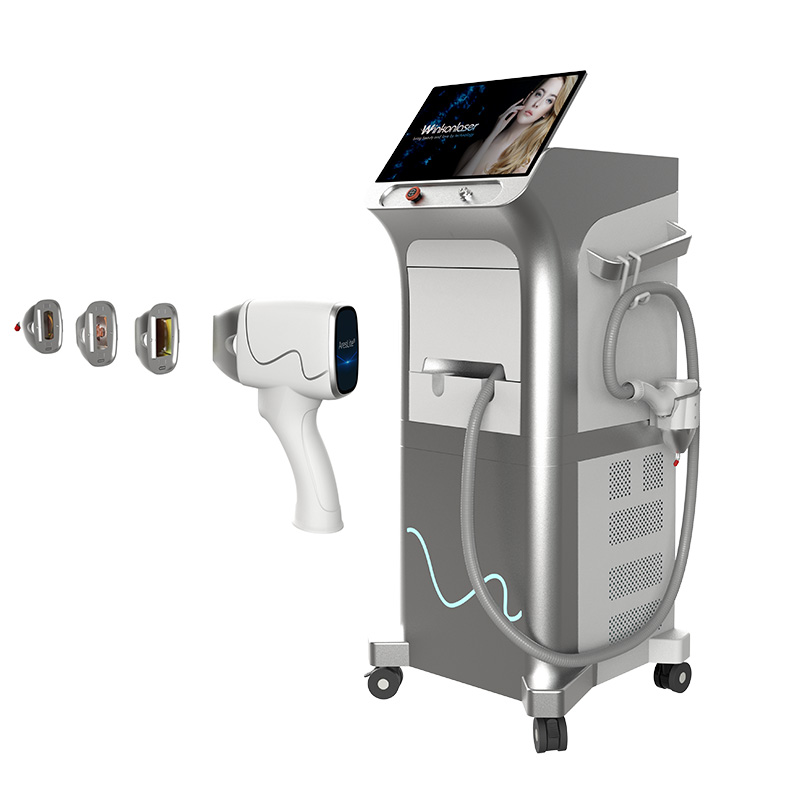
For a diode laser, the useful technical questions are specific. Does the system cover multiple wavelengths for different skin types? The AresLite range uses 755nm, 808nm, 940nm, and 1064nm. Does the handpiece stay cool enough for back-to-back clients? Is the treatment speed realistic for a full booking day?
Ask for the model list, the spot sizes, the cooling method, and the training requirements. Compare the hair removal systems and the wider product range before you commit to carrying one line.
Clarify the Local Compliance Duty
No distributor agreement removes your local regulatory obligations.
You may still need importer registration, device listing, local labeling, local language instructions, or approval from a health authority. The manufacturer can support the application, but you should know who owns each step and who pays for it.
This is also a trust question. A manufacturer with a clear regulatory process should be able to give you a document checklist. If the answer is simply “our machines are FDA and CE approved,” ask again. Those certificates are important, but they are not a local sales license.
Confirm the Commercial Load
Ask what the agreement requires from you, not only what it gives you.
Minimum order quantities, annual targets, deposit terms, and demo equipment commitments should be written down before you sign. Ask whether the target is realistic for your first year. Ask what happens if you miss it by a small margin. Ask whether the manufacturer will help with lead generation or expect you to build demand alone.
The most useful distributor agreement is one that aligns the manufacturer’s interest with your ability to sell. If the manufacturer benefits only when you buy stock, you need to know that before the contract starts.
Remember the Clinical Limits
Even when you are selling to clinics, not treating clients, the device still has medical limits.
Laser hair removal is not suitable for pregnant clients, people with active infection in the treatment area, people taking photosensitizing medication, or people with a history of abnormal scarring or keloids. Distributors should not promote the machine as safe for every skin type or every client without a qualified operator’s assessment.
That honesty protects your dealers and your reputation. It also gives you a better sales story than an inflated promise.
What a Reliable Supplier Should Offer
Winkonlaser was founded in Beijing in 2012, exports to 120+ countries, and has 15+ engineers supporting its systems. Those facts do not make every distributor agreement the same. They mean the manufacturer should be able to answer the questions above with documents, model numbers, and a clear support process.
Before you sign, put the territory, certificates, support commitments, and sales targets side by side. If any one of them is vague, fix it before the first payment.
FAQ
Q: What should a distributor ask about territory?
A: Ask how the territory is defined, which products it covers, whether it applies to all sales channels, and how the manufacturer handles cross-border online sales into your market.
Q: Does an FDA 510(k) number cover every Winkonlaser model?
A: No. The DM60 and DM40P diode hair removal systems are listed under K241860. Other device categories do not share that clearance, so you need the certificate number for each model you plan to import.
Q: Is ISO 13485 the same as local market approval?
A: No. ISO 13485 is a quality-management system certificate. It does not replace local device registration, importer requirements, or market authorization in your country.
Q: What after-sales details should be written down?
A: Warranty coverage, spare parts availability, response times, remote or on-site training, software support, and who pays for shipping and labor during a claim.
Q: Who is responsible for local registration?
A: That depends on the agreement and the market. The manufacturer can often provide the technical file, but the distributor usually needs to confirm importer registration, local labeling, and any health authority approval.
Q: What is a realistic first-year target?
A: It depends on your territory, product mix, and sales channels. Ask the manufacturer to explain the target using your market size and expected clinic adoption, not a fixed figure copied from another country.
Get the Terms in Writing Before You Sign
A distribution agreement works when the territory, certificates, support, and commercial targets are all specific. If any part is vague, the first difficult month will expose it.
If you’re evaluating Winkonlaser as a distributor or clinic buyer, send the team your target market, product focus, and regulatory requirements. You can request a configured quote or reach them through the contact page.