


What Is Cold Plasma Skin Treatment? A Complete Guide for Clinics
Table of Contents
2. How Cold Plasma Works on Skin
4. Cold Plasma vs Other Technologies
5. The PS30 Warm Cold Plasma Machine
1. What Is Cold Plasma?
Cold plasma, also called non-thermal atmospheric plasma, is a partially ionized gas produced at close to room temperature — 30 to 40°C. It consists of charged particles, reactive species, and photons that interact with biological tissue without causing burns or scarring.
The word “plasma” here does not refer to blood plasma. In physics, plasma is the fourth state of matter — a gas whose atoms have been energized enough to release electrons. Think of a neon sign: the gas inside the tube glows when electricity passes through it. Cold plasma works on the same principle, at a much lower temperature that is safe for skin.
What makes it different from thermal plasma (used in plasma pens for skin tightening) is the temperature. Thermal plasma reaches 100°C or more and creates micro-burns that trigger a healing response. Cold plasma stays cool enough to touch and works through biochemical pathways instead of thermal injury.
2. How Cold Plasma Works on Skin
Cold plasma affects skin through three primary mechanisms.
Reactive oxygen and nitrogen species (RONS)
When plasma interacts with air and moisture on the skin, it generates a cocktail of reactive molecules including ozone (absorbing at 254nm), nitric oxide, and hydroxyl radicals. These molecules trigger fibroblasts to produce more collagen and elastin. In clinical settings, I have seen studies reporting up to 40% increase in collagen synthesis after a course of plasma treatments.
Electroporation-like effect
The electromagnetic field of plasma temporarily loosens the lipid bonds in the stratum corneum — the outermost layer of skin. This allows topical serums like hyaluronic acid and peptides to penetrate three to five times deeper than they would on untreated skin. If you offer plasma facials, the product penetration benefit alone justifies the treatment.
Microbiome modulation
Plasma has antimicrobial effects that kill bacteria including P. acnes, the bacteria involved in acne formation. It does this without disrupting the skin barrier the way harsh topical treatments do. I have watched clinics that struggled to get acne clients through a full treatment package suddenly see completion rates jump after adding plasma to their protocols.
3. Key Clinical Applications
Acne and blemish management
The ozone produced by plasma destroys P. acnes bacteria while reducing sebum oxidation. Unlike laser treatments, there is no purging phase or post-treatment dryness. Clients see improvement after 2-3 sessions. For mild to moderate acne, I have found cold plasma to be more practical than blue light therapy because it does not require weekly visits.
Pigmentation and melasma
RONS inhibit tyrosinase activity, the enzyme responsible for melanin production. One comparative study I follow showed melasma patients experienced a 50% reduction in pigmentation over 8 weeks with cold plasma, compared to 30% with topical hydroquinone alone. The real advantage: cold plasma can be safely used on darker skin types (Fitzpatrick IV-VI) where fractional lasers carry higher risk.
Scar reduction and texture improvement
Cold plasma remodels collagen fibers in atrophic scars, including acne scars. Combined with microneedling, some clinics report scar depth reduction of up to 60% over 12 weeks. The absence of heat-related inflammation means faster recovery compared to RF microneedling.
Anti-aging and skin tightening
Cold plasma stimulates collagen production without the heat-induced inflammation that RF and laser treatments cause. In a 6-month observational study, 90% of users reported improved skin firmness. Results develop gradually over 2-4 months as new collagen forms — less dramatic than a single fractional CO2 session, but with zero downtime.
4. Cold Plasma vs Other Technologies
| Feature | Cold Plasma | IPL | Fractional CO2 | RF Microneedling |
|---|---|---|---|---|
| Mechanism | Biochemical (RONS) | Thermal (light) | Thermal (ablation) | Thermal (RF) |
| Temperature | 30-40°C | 40-50°C | 100°C+ | 60-70°C |
| Pain Level | Virtually none | Moderate | High | Moderate |
| Downtime | 0-2 hours redness | 1-3 days | 5-7 days | 1-3 days |
| Fitzpatrick Range | I-VI | I-IV | I-IV | III-VI |
| Acne Treatment | Excellent | Mild | Not recommended | Moderate |
| Pigmentation | Good (all types) | Moderate | Good (risk on dark) | Limited |
| Skin Tightening | Moderate (gradual) | Minimal | Excellent | Good |
| Scar Reduction | Good | Minimal | Excellent | Very good |
| Per-Session Cost | Low (no consumables) | Low | Medium | Medium |
| Investment | Mid-range | Lowest | Highest | Mid-high |
The table oversimplifies — each technology has its sweet spot. But for a clinic looking to add a versatile, low-downtime treatment that complements existing services, cold plasma has the widest safety margin across skin types.
5. The PS30 Warm Cold Plasma Machine
-2.jpg)
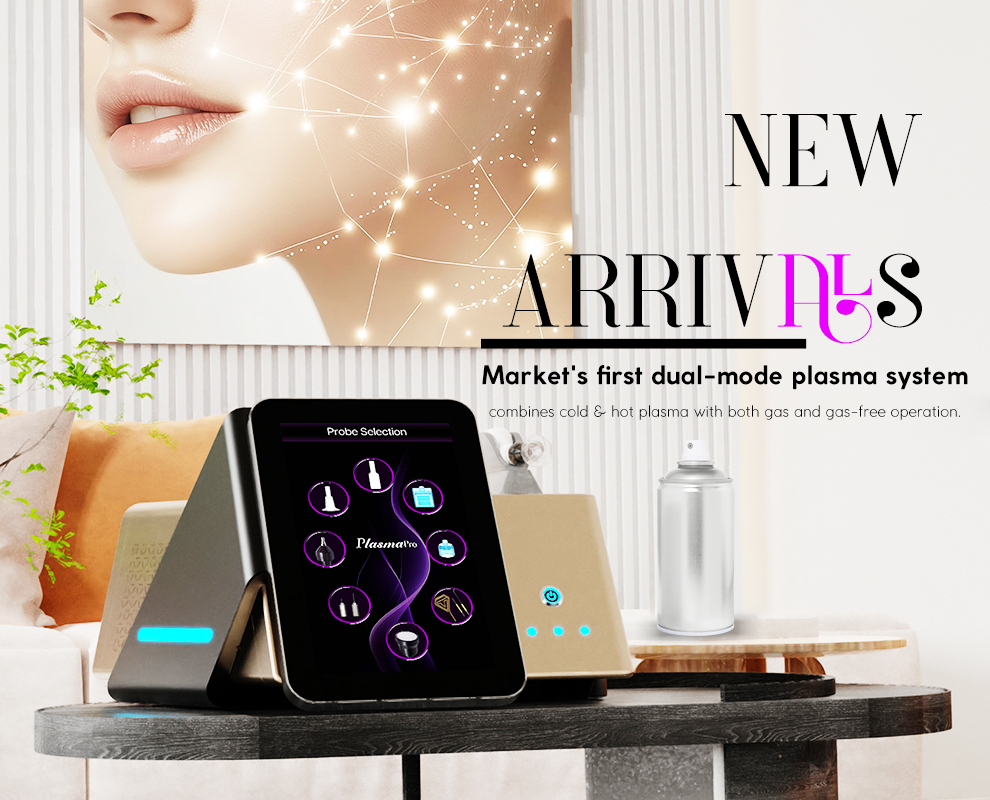
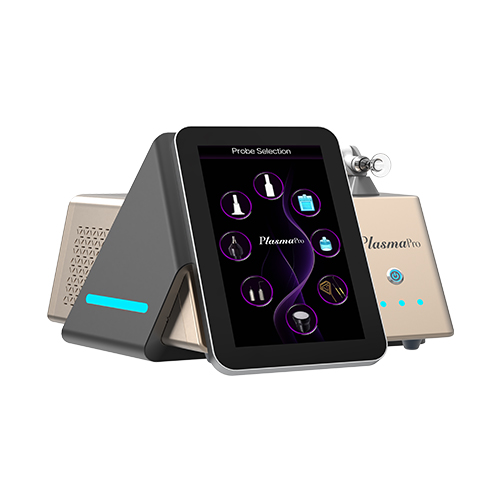
The PS30 from Winkonlaser is a 2-in-1 plasma system combining cold and hot plasma with both gas and gas-free operation. It includes 11 professional treatment heads for diverse clinical needs.
Dual-mode operation. Cold plasma mode for biochemical skin treatments. Hot plasma mode for thermal applications like skin tightening. One machine serving two treatment categories.
Ozone-filtering system. Neutralizes pathogens during treatment, minimizing surface bacteria for safer protocols. This matters when treating acne or post-procedure skin.
Patented reusable handpiece design. Most plasma consumables in the market are single-use. The PS30’s reusable design drops per-treatment cost significantly — a factor I have seen clinics overlook when calculating ROI.
110V/220V 50-60Hz. Works anywhere. No voltage conversion needed for international clinics.
Applications covered by the PS30 include skin rejuvenation, scar reduction, facial firming, acne treatment, anti-aging, hair growth stimulation, and nail care. The 11 treatment heads let you switch between protocols without changing machines.
See the full PS30 specifications at: https://www.winkonlaser.com/cold-plasma-machine/cold-light-plasma-machine-for-skin-care/
6. Honest Limitations
Cold plasma is not a replacement for every laser in your clinic. Here is what it cannot do:
Deep skin tightening. For patients who want a facelift-level result without surgery, fractional CO2 or RF microneedling delivers more dramatic tightening in fewer sessions. Cold plasma tightens gradually — clients need to commit to a course of 6-8 sessions.
Tattoo removal. Plasma has no role here. Picosecond or Q-switched lasers remain the only option.
Traction on deep wrinkles. Fine lines respond well. Deep nasolabial folds and marionette lines need RF, HIFU, or filler.
Immediate results. Unlike a good hydrafacial where clients see change immediately, cold plasma results take 4-8 weeks to become visible. Set expectations upfront or clients will not return.
I am straightforward with clinics about this: if you have a full laser suite already, cold plasma is an add-on that broadens your treatment radius, especially for darker skin types. If you are a new clinic with a limited budget, cold plasma gives you more treatment options per dollar than any single laser I know.
7. Contraindications
8. Frequently Asked Questions
Q: Is cold plasma painful?
A: No. Most clients feel a mild warming or tingling sensation. No topical anesthetic is needed, and there is no downtime.
Q: How many cold plasma sessions are needed?
A: For acne and pigmentation, 4-6 sessions. For anti-aging and skin tightening, 6-8 sessions. Maintenance sessions every 2-3 months.
Q: Can cold plasma be combined with other treatments?
A: Yes. It pairs well with microneedling, chemical peels, and LED therapy. The electroporation effect improves serum penetration when performed before product application.
Q: What is the difference between cold plasma and a plasma pen?
A: Plasma pens use thermal plasma at 100°C+ to create micro-burns for skin tightening. Cold plasma stays at 30-40°C and works through biochemical pathways. Different mechanisms, different applications.
Q: Is cold plasma safe for dark skin?
A: Yes. Cold plasma does not target melanin, so it can be used safely on Fitzpatrick skin types IV, V, and VI without risk of hyperpigmentation.
Q: How long do cold plasma results last?
A: Collagen remodeling continues for 3-6 months after the final session. Maintenance treatments every 2-3 months sustain results.
Q: Does the PS30 require consumables?
A: The PS30 uses reusable treatment heads, minimizing ongoing consumable costs.
9. Final Verdict
Cold plasma is not the most dramatic technology in aesthetic medicine. It will not match a fractional CO2 for deep resurfacing. It will not replace RF for skin tightening. But it does something no single laser can do: it treats acne, pigmentation, scar, and aging concerns across all skin types with virtually no pain and zero downtime.
For a clinic, that translates to a treatment you can offer to almost every client who walks through the door. In my experience, that is where the real ROI lives — not in how impressive the technology sounds on paper, but in how many people you can actually treat with it.