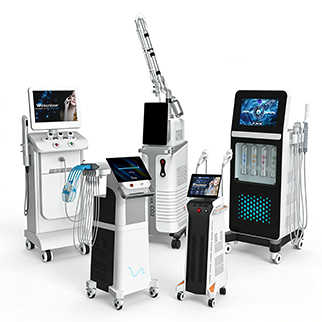



Top 3 Fractional CO2 Lasers from China for Beauty Salons: Best Models of 2026 (Price-Quality Ratio)
What is fractional CO2 laser?
The fractional CO2 laser is a high-tech device that uses a carbon dioxide laser with a wavelength of 10,600 nm to precisely target the skin. Unlike traditional ablative lasers, which remove the entire top layer of the epidermis, the fractional approach creates microscopic zones of thermal damage—called microthermal zones (MTZ). This stimulates natural regeneration processes without affecting surrounding healthy tissue.
The laser works like this: the laser beam penetrates the dermis, causing controlled evaporation of water in cells and protein denaturation. This triggers the body to produce new collagen and elastin, resulting in firmer skin, reduced wrinkles, and improved texture. For patients, this means minimal discomfort and a shortened recovery period—ideal for busy individuals looking to quickly return to their daily lives.
The main components of a fractional CO2 laser
To better understand the device, let’s look at the key elements:
- Laser source: Typically 50 to 150 watts of power, providing deep penetration.
- Scanning System: Allows you to adjust the shape and size of the treatment patterns, such as circle, square or ellipse.
- Attachments: Multifunctional, for aesthetic dermatology, surgery and even gynecology.
- Cooling system: Integrated fans or closed circuits to prevent overheating and improve comfort.
This design makes the fractional CO2 laser a versatile tool for clinics where patients expect a personalized approach.
Benefits of Fractional CO2 Laser for Skin Rejuvenation
For those dealing with age-related changes, acne scars, or pigmentation, the fractional CO2 laser offers more than just a treatment, but a comprehensive restoration. Its benefits are especially noticeable in Russia’s cold climate, where skin often suffers from dryness and loss of elasticity.
Key benefits for patients
- Collagen stimulation: The laser activates fibroblasts, resulting in natural skin tightening—results are visible in 3–6 months and last for years.
- Minimal downtime: Thanks to the fractional method, healing takes 7-14 days, unlike full ablative procedures.
- Versatility: Suitable for removing wrinkles, scars, stretch marks and even tattoos, as well as for intimate rejuvenation.
- Safety: Modern models with automatic energy adjustment minimize the risk of burns, especially for sensitive skin.
Compared to other methods such as chemical peels or non-ablative lasers, fractional CO2 laser shows superior results in deep remodeling, as confirmed by clinical studies.
Comparison table of the advantages of fractional CO2 laser with alternatives
|
Aspect |
Fractional CO2 laser |
Non-ablative laser |
Chemical peeling |
|
Depth of impact |
Deep (dermis) |
Superficial |
Average |
|
Recovery time |
7–14 days |
1–3 days |
5-10 days |
|
Effect on collagen |
High |
Average |
Short |
|
Risks |
Minimum with cooling |
Low |
High (burns) |
|
Long-term results |
Up to 5 years |
1–2 years |
6–12 months |
This chart illustrates why the fractional CO2 laser remains the choice of professionals focused on long-term results for their patients.

Top 3 CO2 Fractional Laser Models from Chinese Manufacturers
In 2026, Chinese manufacturers are leading the segment, offering the best fractional CO2 lasers with innovative features. We’ve selected the top three based on power, versatility, and expert reviews. These models combine high efficiency with an affordable price, making them ideal for clinics.
First model: High-tech fractional CO2 laser with 70W power
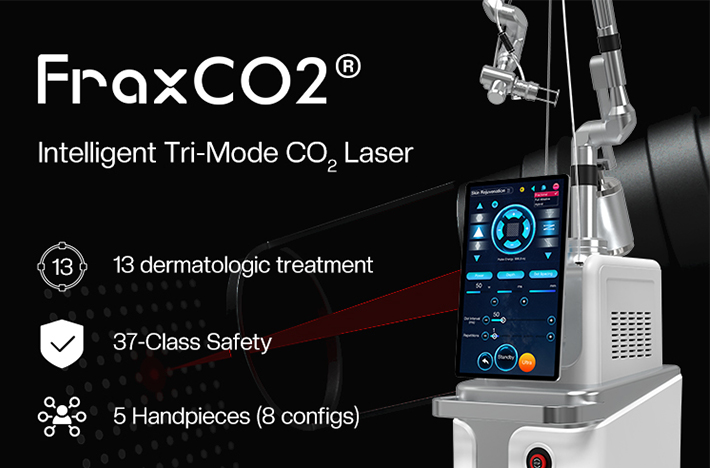
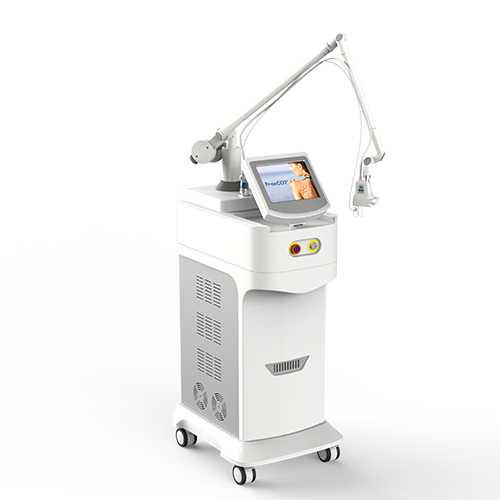
This model stands out for its use of imported components, such as a US-sourced laser and German sensors, delivering 70W of power and deep penetration. With a 10,600nm wavelength and an articulated arm for 360° rotation, it’s ideal for fractional rejuvenation, surgical resurfacing, and intimate procedures. The attachments include a scanning probe and dedicated privacy controls with seven scanning patterns. Benefits: minimal downtime thanks to low energy and intelligent cooling with seven fans. For patients, this means rapid results in the removal of wrinkles and scars.
The second model: Universal fractional CO2 laser with combined modes
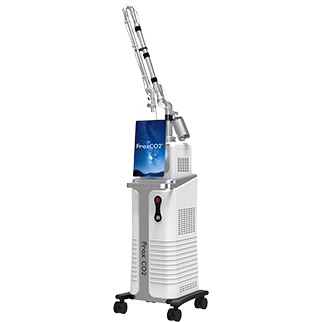
Focusing on multimodality, this model offers dual pulse structures for ablative and non-ablative treatments. Power output of up to 100W allows for treatment of large areas, such as the back or chest, with minimal overlap. Innovations include real-time tissue impedance monitoring for automatic adjustments, reducing risks. Suitable for photorejuvenation, pigment removal, and tissue tightening, with an emphasis on safety through certified cooling systems.
Model 3: Compact Fractional CO2 Laser for Clinics
This version is focused on portability and energy efficiency, with a power output of 50–80 watts and an intuitive interface. It integrates software for personalized settings, making it ideal for those new to aesthetics. Features include dynamic spray modes to speed up treatments and a combination with radiofrequency for enhanced results. Results include improved skin texture and wrinkle reduction with minimal discomfort.
Factors Affecting the Number of Fractional CO2 Laser Sessions
The number of fractional CO2 laser sessions depends on the individual patient’s needs, making the treatment personalized. Typically, 3-5 treatments are required, spaced 4-6 weeks apart, but let’s look at the key factors.
Skin type and treatment goals
Darker skin tones require more sessions at lower power levels to avoid pigmentation changes. Fine wrinkles require 2-3 treatments, while deep scars may require 5-6. The treatment area also plays a role: smaller areas, such as those around the eyes, heal more quickly.
Lifestyle and health
Age, smoking, or chronic illnesses slow recovery, lengthening the intervals. A healthy lifestyle accelerates progress, making treatment more effective.
Fractional CO2 Laser Recovery Timeline
Recovery after a fractional CO2 laser is a gradual process, focusing on patient comfort. Here’s a typical timeline:
- Days 1–3: Redness and swelling, similar to a burn. Use cold compresses and moisturizers.
- Days 4–6: Peeling, new skin appears.
- Days 7-14: Redness subsides, return to SPF routine.
Long-term effects appear after 3-6 months due to collagen.
About Winkonlaser
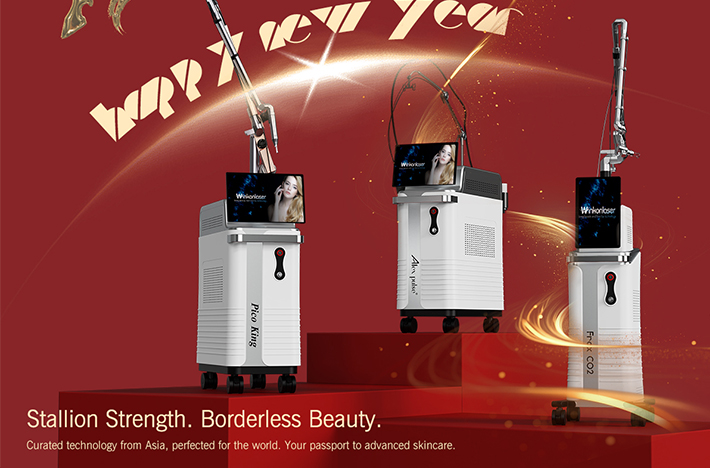
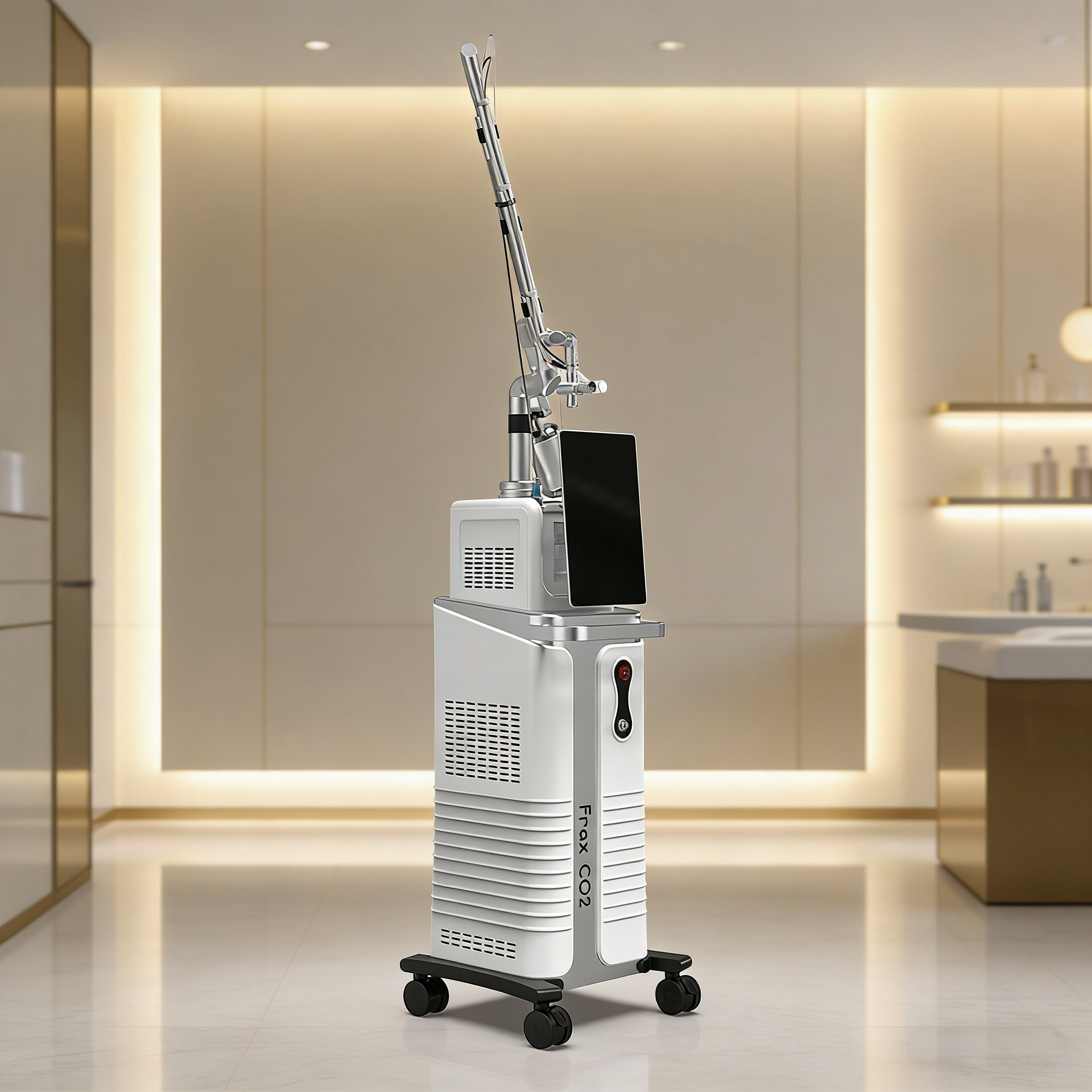
Beijing Winkonlaser Technology Limited is a leading Chinese manufacturer of cosmetology and medical equipment, founded in 2012. Over the past 12 years, the company has accumulated significant experience in laser technology, offering innovative solutions for aesthetic medicine. Winkonlaser exports to over 30 countries, operating in 120 countries with warehouses in China, the United States, France, and Turkey. Its portfolio includes hair removal, body sculpting, HIFU, CO2 lasers, and more. The company is CE, Medical CE, RoHS, FDA, and ISO 13485 certified and offers OEM/ODM services, flexible payment options, and distributor support.
Frequently Asked Questions
What is a fractional CO2 laser and what is it used for?
The fractional CO2 laser is a skin resurfacing device that uses a carbon dioxide laser to create micro-zones of damage. It is used to treat wrinkles, scars, pigmentation, and improve texture by stimulating collagen.
How many fractional CO2 laser sessions are needed for visible results?
The number of sessions depends on skin type and concern: typically 3–5, spaced 4–6 weeks apart. For minor imperfections, fewer sessions are needed, while for deeper ones, more.
What is the recovery process like after a fractional CO2 laser?
Recovery takes 7-14 days: initially, there’s redness and swelling, followed by peeling. Full results are visible after several months due to regeneration.
Can fractional CO2 laser be combined with other procedures?
Yes, combining with PRP or radiofrequency enhances the effect, speeding up healing and improving results.
Is fractional CO2 laser suitable for all skin types?
Yes, but the parameters are adapted: for dark skin, the power is reduced to avoid complications.