


Let’s Talk Frankly About the 10D Green Laser: Is It a Client Magnet or Just Expensive Lighting?
If you run a medical spa or a body contouring clinic, your inbox is probably flooded every single day with manufacturers promising the “next big thing” in fat loss. For a while, everybody was obsessed with freezing fat cells to death. Then came the high-intensity heat devices that basically cook the tissue from the inside. But let’s be honest for a second: clients are getting sick of the drama. They’re tired of the deep bruising from cryolipolysis, they’re terrified of that weird fat-rebound effect (PAH), and they frankly don’t want to suffer through an hour of pain just to fit into their jeans.
That’s why everyone and their mother is suddenly looking into cold lasers again—specifically this massive trend around “10D green light” machines. A few months back, a clinic director friend of mine asked me to look over the specs of the Winkonlaser 10D Body Sculpt Machine (the one with the dual 532nm green and 635nm red lasers). She wanted to know if it was worth importing or if it was just a glorified sci-fi movie prop.
I’ve spent over a decade messing around with these machines, calibrated the diodes, and even laid under them myself to see if they actually do anything. So, let’s skip the marketing brochure fluff and talk about what this machine actually is, where it shines, where it gets annoying, and whether it makes financial sense for your business.
First off, how does this dual-wavelength thing actually work in the real world?
If you ask the manufacturers, they’ll give you a bunch of academic talk about photobiomodulation and cytochrome c oxidase. Let’s translate that into plain English.
Traditional lipolaser pads—the old red ones you used to strap onto people with Velcro bands—relied entirely on 635nm red light. It worked okay, but it didn’t penetrate deeply enough into the heavy, dense fat pockets. This 10D machine brings in a 532nm green laser, which has a crazy high absorption rate in human fat tissue.
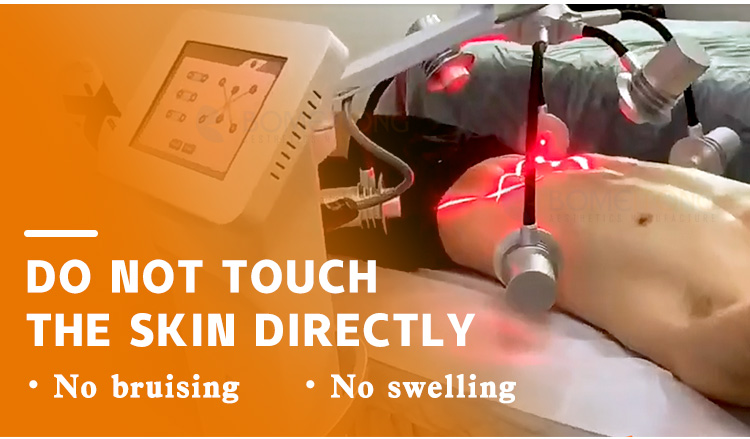
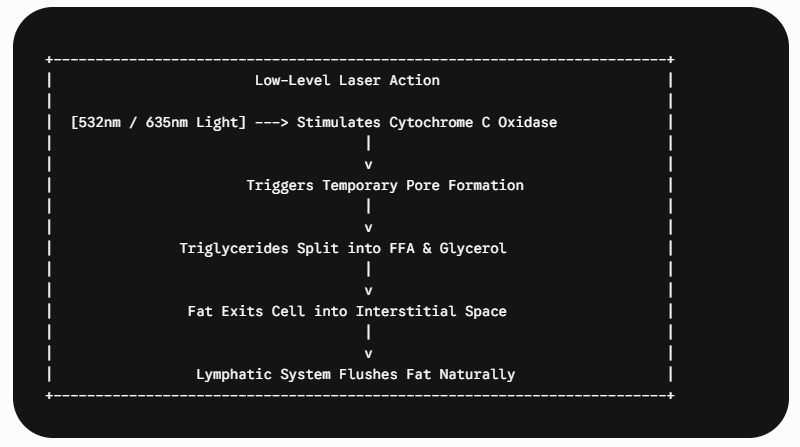
When that green light hits the subcutaneous fat layer, it doesn’t blast the cell apart. It doesn’t freeze it. Instead, it shocks the cell membrane into opening a bunch of temporary, microscopic pores. Think of it like punching tiny, temporary holes in a water balloon. The stored fat inside—all those triglycerides—liquefies and starts leaking out into the space between the cells.
Meanwhile, the 635nm red light is running at the same time to boost blood flow and tell the skin to start producing collagen, so the client doesn’t end up looking like a deflated balloon with loose skin after they lose the inches.
I remember testing this technology on myself because I was highly skeptical. I did a short cycle on my love handles. During the actual 30 minutes, I felt absolutely nothing. No heat, no cold, no snapping. To be completely blunt, I thought the machine was broken or turned off. I actually knocked on the treatment room door and asked the technician, “Are you sure this thing is plugged in?”
But that’s the whole point of Low-Level Laser Therapy (LLLT). It’s completely cold. It’s a physiological trick, not a thermal injury. My waistline did drop about 2.5 centimeters after a few sessions, but—and this is a huge “but” that we need to talk about—it only worked because I followed the rules.
The massive “lymphatic catch-22” that salespeople won’t tell you
Here is the cold, hard truth about any cold laser machine, whether it’s a premium $50k European model or this Winkonlaser unit: the laser only does half the job.
Once those tiny pores open up and the liquefied fat leaks out into the interstitial space, your body’s lymphatic system has to pick it up, carry it to the liver, and burn it off as energy or flush it out. If your client leaves your clinic, hops in their car, and immediately drives to a fast-food drive-thru, or if they don’t drink a drop of water all day, guess what happens? That loose fat just sits there in the tissue matrix, and within 24 to 48 hours, the fat cells absorb it right back. The pores close, and the client sees zero results.
I learned this the hard way with a client in a clinic I was consulting for last year. She did four sessions, complained she hadn’t lost a single millimeter, and was ready to post a nasty review online. I sat her down and asked about her daily habits. Turns out, she was drinking three cups of coffee a day, barely any water, and sitting at a desk for nine hours straight. Her lymphatic system was basically a stagnant swamp.
We changed the protocol. We forced her to chug two liters of water a day, and we made her spend 15 minutes on a whole-body vibration plate immediately after the laser hit her. Boom—the inches started dropping.
If you buy this machine, you must couple it with an internal protocol. If you don’t offer a lymphatic drainage massage, a vibration plate, or a compression therapy wrap right after the laser session, you are going to get complaints. The machine isn’t magic; it requires the human body to cooperate.
Let’s look at the actual build quality and the hardware snags
Winkonlaser did a few things really right with this model, but there are a couple of practical quirks you should know about before you wire any money.
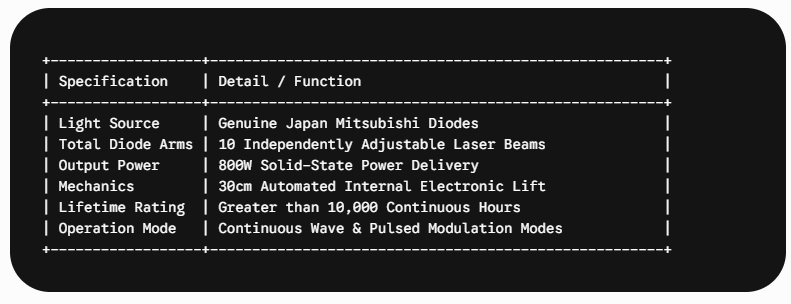
On the plus side, they didn’t skimp on the light sources. They’re using genuine Mitsubishi diodes imported from Japan. This matters immensely because cheap, unbranded diodes lose their power calibration within six months, and suddenly your left laser beam is putting out twice as much energy as your right laser beam. These Mitsubishi ones hold their wavelength stable and are rated for over 10,000 hours, which means you won’t be calling a technician every three months for replacements.
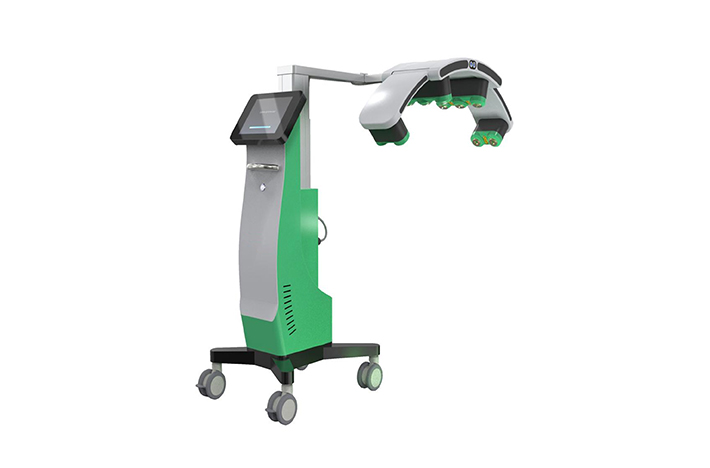
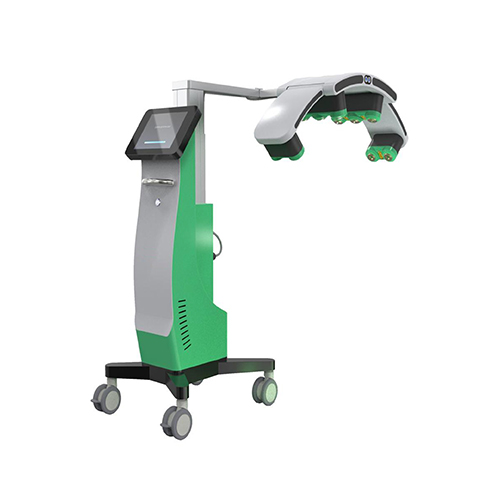
Also, thank goodness they went with the overhead 10-beam mechanical arm instead of those awful individual pads. If you’ve ever run an old-school lipolaser, you know the nightmare: spending ten minutes strapping six different pads onto a client’s stomach, dealing with messy cords tangled everywhere, and wiping down every single pad with sanitizer between appointments while your next client is waiting in the lobby.
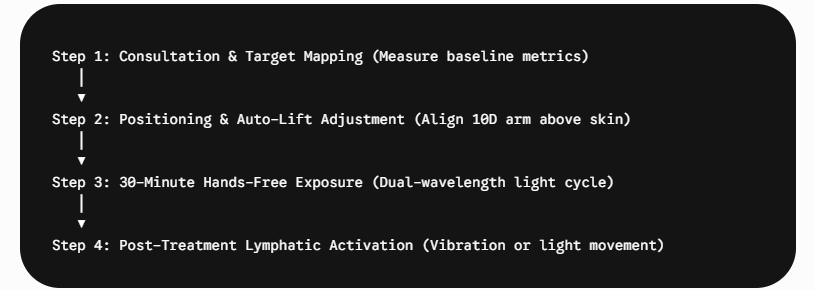
With this 10D design, the client just lies down, and you use the touch screen to lower the overhead arm so it hovers a few inches above their body. It covers the stomach, the waist, and the sides all at once. It’s completely hands-free.
However, here’s my practical gripe: that automated electronic lift arm is great, but you have to be gentle with it. During a setup in a busy clinic in Nanjing last winter, a hurried aesthetician tried to manually force the arm sideways while the motor was engaged, and it threw the internal alignment sensors out of whack for a day until we did a hard reset. You need to train your staff to let the machine do the moving via the screen rather than wrestling with it physically.
Another thing to keep in mind: because it uses a 532nm green light, the energy absorption is incredibly high. While it works safely across skin types, I’ve noticed that on clients with exceptionally dark skin (Fitzpatrick scale type VI), the surface pigment absorbs just a tiny fraction of that green light energy before it hits the deep fat layer. It still works, but you might need to run a couple more sessions compared to a pale-skinned client to get the exact same wow-factor result.
Call to Action
If you want to check out the exact layout of these 10 omnidirectional beams or see the machine dimensions, you can view the official gallery on the Winkonlaser 10D Product Page.
Continuous vs. Pulsed mode: Which one actually matters?
The software on this machine lets you toggle between two main delivery styles: Continuous Wave and Pulsed Modulation.
Most people just leave it on continuous because they think “more light equals faster melting.” That’s mostly true if you’re dealing with dense, stubborn, fibrous fat pockets—like a lower belly pouch that’s been there for a decade. The steady stream of photons is great for forcing those tougher cell walls to open up.
But don’t sleep on the pulsed mode. It quickly cycles the lasers on and off in millisecond intervals. I prefer using pulsed mode when treating clients who are a bit older or have sluggish circulation. The pulsing motion acts like a subtle biological wake-up call to the capillaries without overloading the local tissue with continuous exposure. It’s also the mode you want to use if someone is using the machine for its secondary FDA-style benefit: relieving minor muscle aches or local inflammation.
The business side: Why my accountant loves this setup
Look, we can talk about science all day, but if a machine doesn’t pay rent, it’s useless junk. From a pure business-model standpoint, this machine is an absolute cash cow for two specific reasons: zero consumables and zero labor hours.
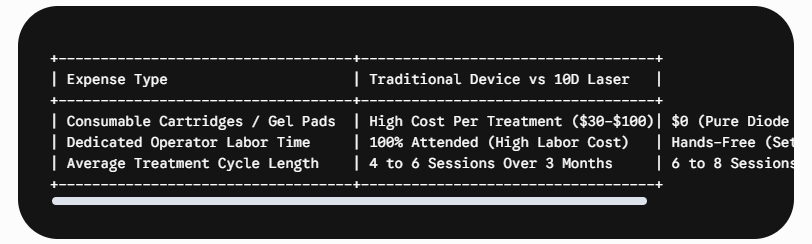
If you buy a high-end fat-freezing machine or a focused ultrasound device, the manufacturers clip your wings on every single treatment. You have to buy their proprietary anti-freeze membrane pads, or pay for a “card” that gives you a limited number of lines or shots. You can easily spend $50 to $80 in raw materials just to run one session on one client. With the 10D laser, your consumable cost is exactly $0. You turn it on, it uses a little bit of electricity, and that’s it. Your profit margin stays in your bank account.
The second part is the labor. In this industry, your biggest expense is staff time. If a treatment requires an aesthetician to stand over a client for an hour rubbing a heavy vacuum probe across their thigh, that staff member can only see eight clients a day, and their wrists are going to hurt by Friday.
With the 10D machine, you walk the client into the room, position the arm, press ‘Start’ on the screen, and you leave. For the next 30 minutes, that room is making you money completely unattended while your staff member is at the front desk selling retail products, answering phones, or performing a high-ticket facial in the next room over. You can easily run two or three rooms simultaneously with just one technician managing the schedules.
Plus, because there’s no tissue destruction or severe inflammation, you don’t have to wait a month between appointments. Your clients can come in twice a week. You can sell an 8-session transformation package and wrap up the entire protocol in 28 days flat. That rapid turnaround keeps clients excited because they see the changes happening week-by-week, rather than waiting three months for a freezing treatment to show results.
Because Winkonlaser configures these international shipments based on your region’s voltage and plug standards, they don’t plaster a generic price tag online. If you are trying to crunch the numbers for your own spa’s ROI, your best bet is to ping their team directly through their Contact Us page to get a direct wholesale quote and shipping estimate.
Who should you actually sell this to? (And who should you turn away?)
If you want to keep your clinic’s Yelp or Google reviews at five stars, you have to be very honest during the initial consultation.
This 10D laser is an elite body contouring and shaping tool. It is perfect for the woman who goes to gym regularly but can’t get rid of that post-pregnancy belly pouch. It’s perfect for the guy who eats clean but still has love handles spilling over his belt line. It’s amazing for targeting specific areas like the arms (goodbye, butterfly sleeves) or the outer thighs.
However, if someone walks into your clinic who is significantly overweight and looking to drop 20 kilos instantly, you need to manage their expectations. This machine will not make the numbers on the weight scale plummet overnight. It shrinks the physical volume of fat cells, changing how clothes fit and how the silhouette looks. If you try to sell this as a lazy alternative to gastric bypass or weight-loss medication, your client is going to be disappointed, and they’ll blame your machine. Position it as a body sculpting, refining tool, and you’ll have clients renewing their packages over and over again.
Final thoughts: Is the Winkonlaser 10D worth the plunge?

If you’re looking for a machine that will radically destroy cells and cause massive structural trauma to the tissue, look elsewhere. Go buy a cryo unit or a surgical laser.
But if your target market consists of modern, busy people who want a completely painless, zero-downtime luxury experience that let them go straight back to the office or the gym right after their session, this technology is incredibly hard to beat.
Winkonlaser has built a really solid, reliable workhorse here. The Japanese Mitsubishi diodes give it the clinical consistency you need to actually deliver on your promises, and the hands-free, zero-consumable operational model makes it one of the easiest ways to boost your clinic’s monthly revenue without adding to your staff’s workload. Just make sure you force your clients to drink their water and keep their lymph moving, and this machine will easily become the most profitable room in your entire facility.