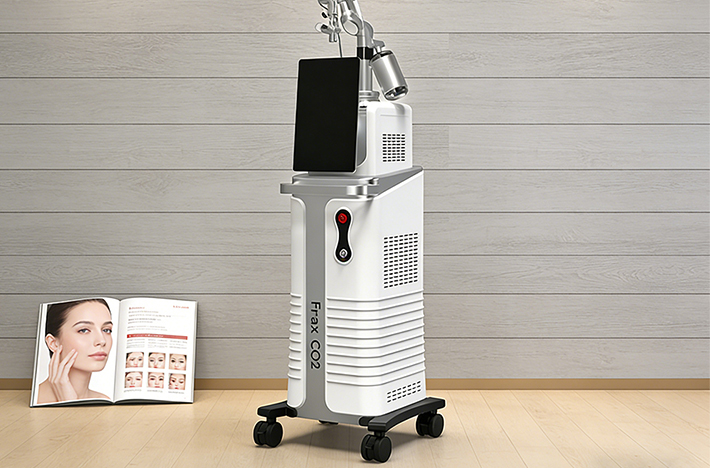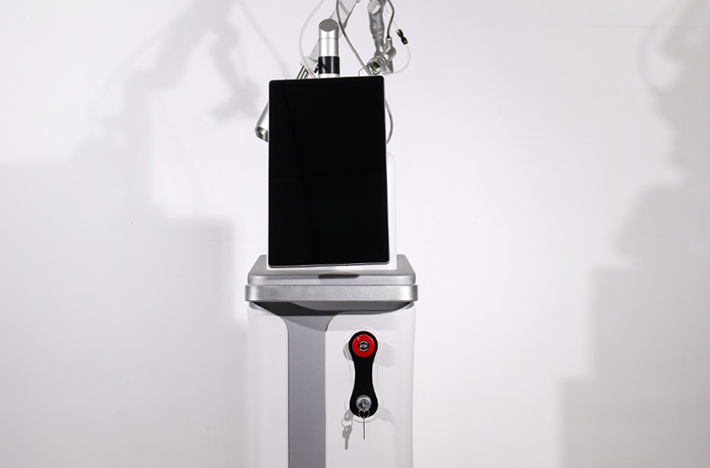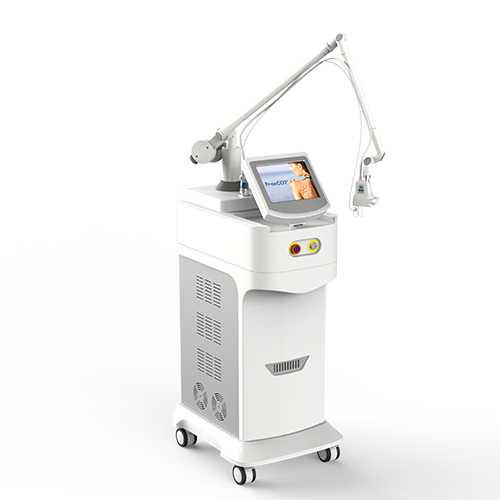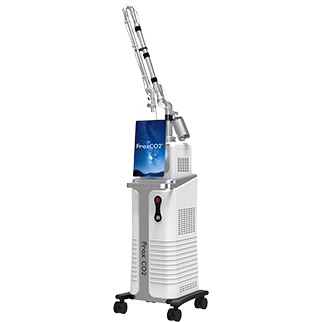



Expand your clinic’s range of services: dermatology, gynecology, and surgery with a single CO2 laser
What is a dermatological fractional CO2 laser?
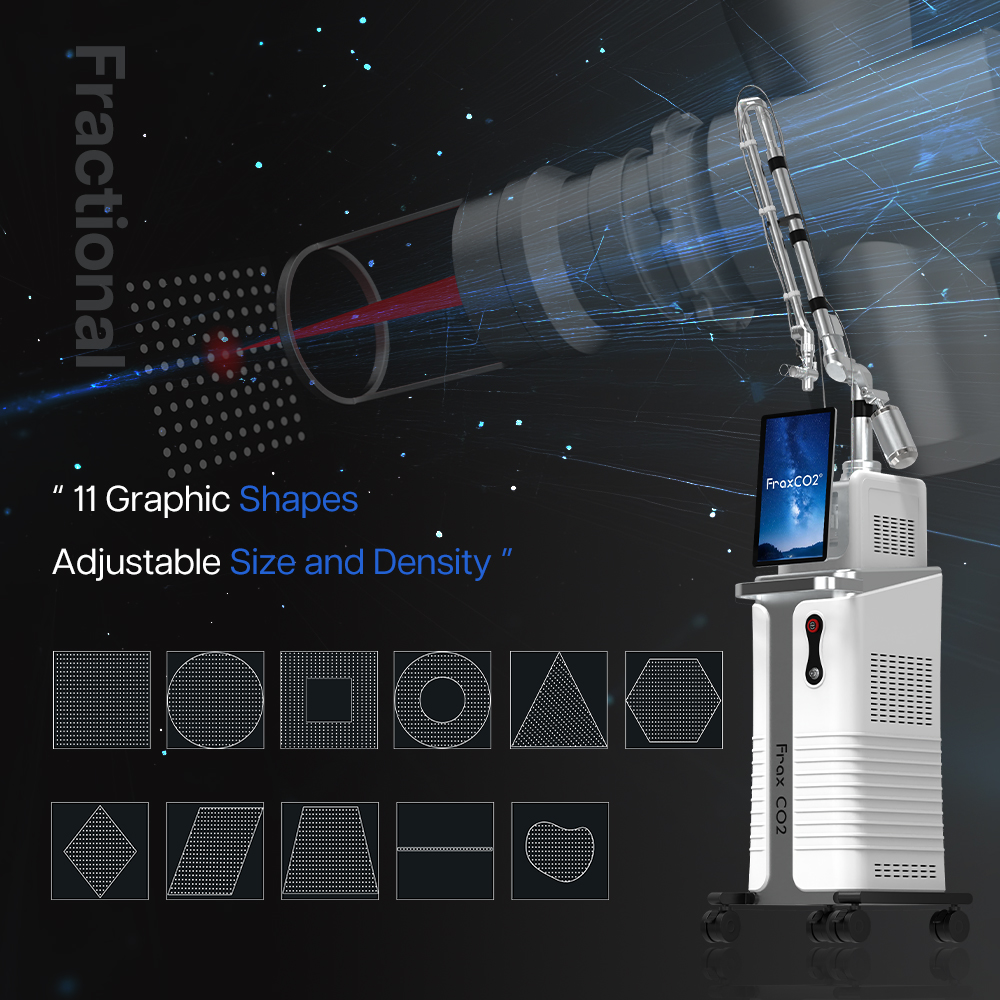
The dermatological fractional CO2 laser is an advanced device that uses carbon dioxide to create microscopic thermal zones on the skin. This laser operates at a wavelength of 10,600 nm, allowing it to penetrate deep into tissue, stimulating collagen and elastin regeneration. Unlike traditional ablative lasers, the fractional approach creates “islands” of intact skin around the treatment areas, accelerating healing and minimizing risks.
Scientifically, the process involves ablation of the upper layers of the epidermis and heating of the dermis, which triggers a cascade of biochemical reactions. Research shows that collagen levels can increase by 20–30% for 3–6 months after the procedure. For clinics, this means the ability to offer personalized protocols tailored to the patient’s skin type, from Fitzpatrick phototypes I to IV.
Advantages include high precision, minimal bleeding, and the ability to use combination modes. For example, in fractional scanning mode, the laser covers up to 20% of the surface area per session, making it ideal for outpatient procedures. If you run a clinic, consider how this device fits into your arsenal, from aesthetic corrections to medical interventions. Learn more about the features on the product page .
Main technical characteristics
To better understand the potential, let’s look at the key parameters:
|
Parameter |
Description |
|
Wavelength |
10,600 nm – optimal for water absorption in tissues |
|
Power |
Up to 100W, adjustable for different depths of action |
|
Spot size |
From 0.1 mm to 2 cm, for precise and wide areas |
|
Operating modes |
Fractional, ablative, vaginal – versatility in one device |
|
Cooling system |
Built-in, reduces patient discomfort by 50% |
These features make the dermatological fractional CO2 laser indispensable for modern medical centers.
Application of dermatological fractional CO2 laser in dermatology
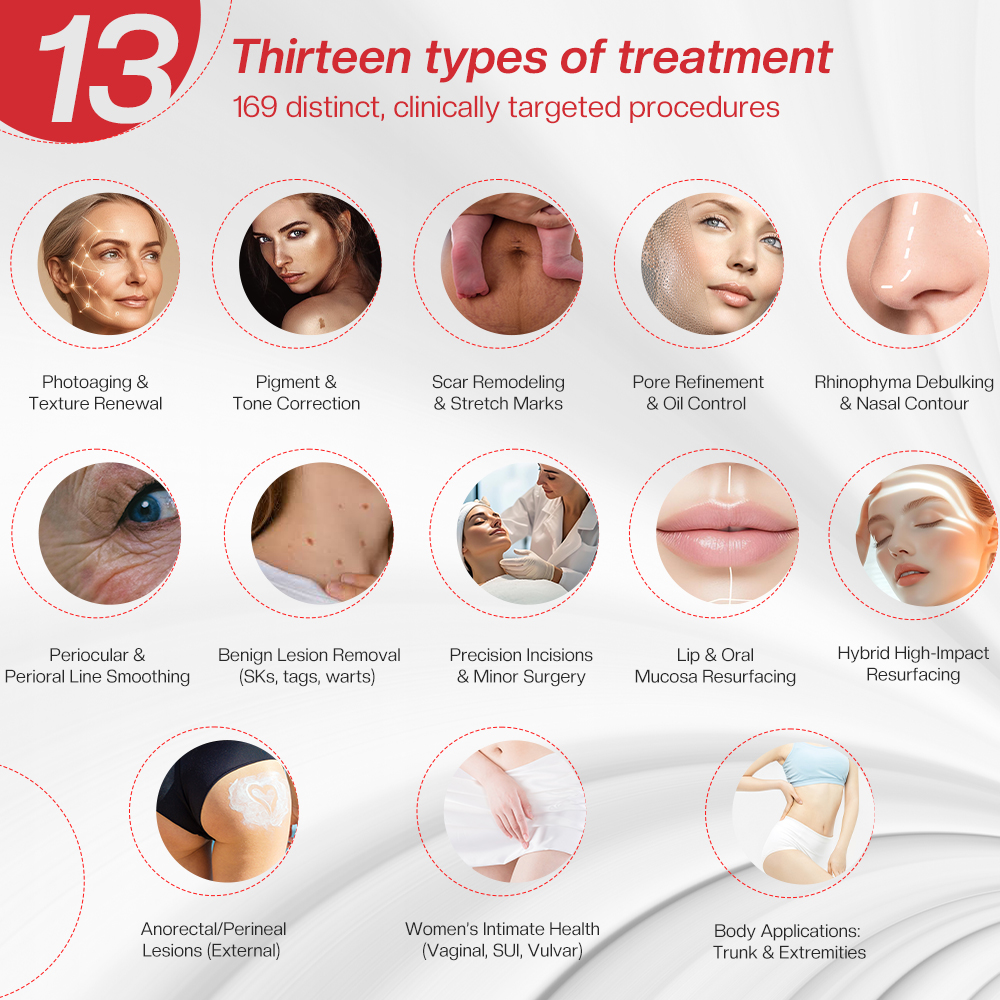
In dermatology, the CO2 fractional laser opens the door to treating a wide range of conditions, from superficial blemishes to deep scars. Patients suffering from acne and post-acne often seek solutions that not only alleviate symptoms but also prevent recurrence. Here, the laser acts as a catalyst for the skin’s natural regeneration.
Acne and Scar Treatment with Dermatological Fractional CO2 Laser
Acne affects millions of people, and scarring can be a persistent problem. Dermatological fractional CO2 lasers destroy fibrous scar tissue by stimulating fibroblasts to produce new collagen. Clinical data indicate a 60–80% improvement in skin texture after 3–5 sessions. For patients with atrophic scars, it is recommended to start with a low density (10–15%), gradually increasing to 25% to avoid hyperpigmentation.
- Benefits for patients: Minimum recovery time – 5 to 10 days.
- Tips for clinicians: Integrate with topical treatments such as retinoids for enhanced results.
- Potential risks: Rare cases of erythema that resolve within a week.
This allows clinics to attract younger patients looking for long-term results.
Skin rejuvenation and pigmentation removal
With age, skin loses elasticity, wrinkles, and age spots appear. Dermatological fractional CO2 laser combats this by removing damaged cells and stimulating neocollagenesis. Studies have shown a 40% reduction in wrinkles after a course of treatment. For pigmentation, the laser selectively destroys melanin, resulting in a more even skin tone.
Patients over 40 particularly appreciate this procedure, as it combines effectiveness and safety. It could become a flagship service at your clinic, especially when combined with other methods.
The role of dermatological fractional CO2 laser in gynecology
Gynecology is an area where the dermatological fractional CO2 laser demonstrates its versatility. Women often face intimate health issues after childbirth or during menopause, and the laser offers non-invasive solutions.
Intimate rejuvenation and atrophy treatment
Vaginal mucosal atrophy leads to dryness and discomfort. Dermatological fractional CO2 laser stimulates mucin glands and collagen, improving hydration by 70%. Sessions last 15–20 minutes, spaced 4–6 weeks apart. Patients report symptom relief after just the second visit.
- Key indications: Vaginal atrophy, urinary incontinence.
- Safety: Minimal risk of infection thanks to sterile tips.
- Results: Long-term improvement in quality of life.
For gynecological clinics, this is an opportunity to expand their offerings without additional investment. Explore the opportunities on the official website .
Surgical applications of dermatological fractional CO2 laser
In surgery, the dermatological fractional CO2 laser replaces the scalpel in many procedures, providing precision and minimal trauma.
Precise incisions and removal of tumors
The laser coagulates blood vessels, minimizing bleeding, which is critical in outpatient surgery. An ablative mode is used to remove warts and nevi, with a penetration depth of up to 2 mm. Studies confirm a 30% reduction in recurrence compared to traditional methods.
Surgeons value depth control, which reduces the risk of scarring. Clinics integrate this into their daily practice to improve efficiency.
Combined protocols in surgery
Combining this with other instruments allows for complex procedures, such as post-injury scar correction. Patients experience fewer complications and faster recovery.
Factors Affecting the Number of Dermatological Fractional CO2 Laser Sessions
The number of sessions depends on many variables, allowing treatment to be tailored to each patient.
- Skin type and tone: Light skin requires fewer sessions, dark skin requires longer intervals to avoid pigmentation.
- Treatment goals: Superficial problems – 2–3 sessions, deep problems – 4–6.
- Device settings: High power speeds up but requires caution.
- Treatment area: Small areas – fewer visits, large areas – more.
- Age and health: Younger patients recover faster.
- Lifestyle: Proper care shortens the course.
Typically the interval is 4–6 weeks, the course is 3–5 sessions.
Recovery after procedures with a dermatological fractional CO2 laser
Recovery is a key aspect influencing patient satisfaction.
Stages of recovery
- Day 1: Redness, swelling, burning – like after sunburn.
- Days 2-3: Dryness, crusting – moisturize intensively.
- Days 4-6: Peeling, new skin is pink.
- Days 7-10: Redness subsides, return to routine.
- Days 11–14: Minimal signs, improvement in tone.
- Long-term: Collagen grows for 3-6 months.
Factors: intensity, skin health. Tips: sunscreen, hydration, avoid irritants. Signs of infection: consult a doctor.
About the manufacturer: Winkonlaser
Winkonlaser, founded in 2012 in Beijing, is a leading manufacturer of medical and cosmetic equipment with 12 years of experience. The company specializes in laser technology, offering a full cycle of services from research and development to sales and after-sales service. Its product range includes over 50 types of devices, including diode lasers for hair removal, IPL devices, HIFU, and CO2 lasers. Winkonlaser is present in 120 countries, with warehouses in China, the USA, France, and Turkey, and exports to 30 countries. Its certifications include CE, Medical CE, FDA, ISO 13485, and others. The company offers OEM/ODM services, flexible payments, and delivery guarantees. Learn more on the company page .
Frequently Asked Questions
What is a dermatological fractional CO2 laser and how does it work?
The dermatological fractional CO2 laser uses carbon dioxide to create micro-zones of treatment, stimulating tissue regeneration without completely damaging the skin.
How many dermatological fractional CO2 laser sessions are needed for rejuvenation?
The number of sessions varies from 3 to 5, depending on the depth of wrinkles and skin type, with intervals of 4–6 weeks.
What is the recovery process like after a dermatological fractional CO2 laser?
Recovery takes 7-14 days: it begins with redness, progresses to peeling, and ends with improved texture.
Can dermatological fractional CO2 laser be used in gynecology?
Yes, it is effective for intimate rejuvenation, improving tissue elasticity and hydration.
What factors influence the effectiveness of dermatological fractional CO2 laser?
Effectiveness depends on the settings, skin type, lifestyle and post-procedure care.
Ready to innovate your practice? Visit the contact page for a consultation and learn how this device will transform your services. For more information, return to the home page .