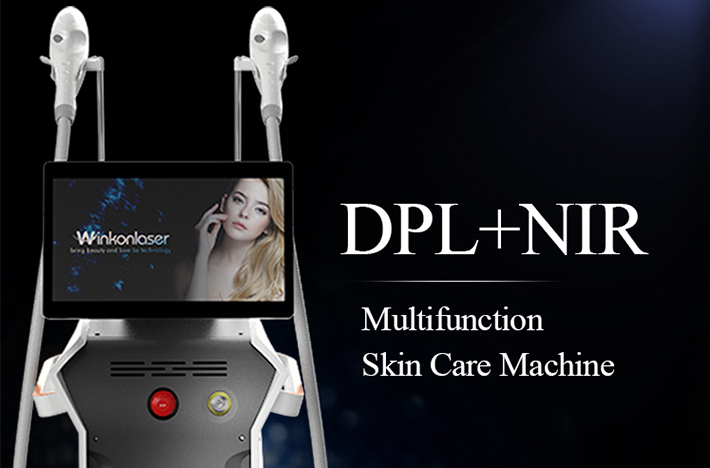



What Is NIR DPL Technology? How Dynamic Pulsed Light & Near-Infrared Work for Skin Treatments
TABLE OF CONTENTS
1. What Is NIR DPL Technology?
NIR DPL combines two distinct light technologies — Dynamic Pulsed Light (DPL) and Near-Infrared (NIR) — into a single treatment platform. Think of it as two tools in one chassis, each doing something different but complementary.
DPL is an evolution of IPL. Where traditional IPL fires a broad, shotgun-style spectrum of light (500-1200nm), DPL narrows that range into focused bands. The result is higher energy density at the target — meaning more effective treatments in fewer sessions.
NIR, on the near-infrared side, operates in the 900-1600nm range. That wavelength band penetrates much deeper than visible light, reaching the dermis and even subcutaneous tissue. This is where collagen lives, and this is what makes NIR so effective for skin tightening.
The Evolution from IPL to DPL
IPL technology has been around for decades. It works — but it has limitations. The broad spectrum means energy gets wasted on non-target tissue, which causes discomfort without adding results. DPL solves this by filtering light into precise therapeutic windows.
I’ve watched clinics switch from IPL to DPL and report two consistent changes: shorter treatment times and fewer client complaints about pain. That’s not marketing. That’s physics.
How NIR Penetrates Deep Skin Layers
Visible light (IPL, most lasers) gets absorbed in the epidermis and upper dermis. That’s fine for treating pigment or hair follicles near the surface. But if you want to tighten skin or stimulate deep collagen remodeling, you need wavelengths that go deeper.
NIR light between 900-1600nm does exactly that. It passes through the upper layers with minimal absorption and deposits energy in the deep dermis. The thermal effect triggers fibroblasts to produce new collagen and elastin — the structural proteins that keep skin firm.
2. How NIR DPL Works: Mechanism of Action
The Dual-Wavelength Synergy
The key insight behind NIR DPL is that DPL and NIR cover different depths and target different chromophores:
-
DPL (500-600nm, depending on filter): targets melanin in hair follicles and pigment, hemoglobin in blood vessels, and porphyrins in acne bacteria
-
NIR (900-1600nm): targets water in deep dermal tissue, creating a controlled thermal effect that stimulates collagen remodeling
Together, they treat from the surface to the deep dermis. One pass, two depths. This is where the efficiency gains come from.
Collagen Remodeling at 900-1600nm
When NIR energy reaches the dermis, it raises tissue temperature to the 40-45°C range. This triggers a wound-healing response — fibroblasts ramp up collagen I and III production. The process continues for months after treatment, which is why patients report progressive improvement even after their session course ends.
A 2020 study in the Journal of Cosmetic and Laser Therapy reported that NIR treatments at 900-1600nm produced a measurable increase in dermal thickness and collagen density at 3-month follow-up. That matches what I’ve seen in clinics using NIR DPL systems.
3. DPL vs IPL: What Makes Dynamic Pulsed Light Different?
Narrow Spectrum vs Broad Spectrum
The most important technical difference between DPL and IPL is spectral width.
Traditional IPL uses a flashlamp that emits everything from about 500nm to 1200nm. Cutoff filters block the lowest and highest ends, but the middle is still a very broad band. The result: a lot of energy hits non-target tissue, creating heat that the patient feels but that doesn’t contribute to the treatment.
DPL uses a more refined optical system. Instead of a single broad band, it delivers narrower, more concentrated wavelength ranges. A DPL handpiece might deliver 500-600nm for pigment and vascular work, and a different filter delivers 640-950nm for hair removal.
This focused energy means:
-
Higher fluence at the target for the same energy output
-
Less non-specific heating of surrounding tissue
-
Better patient comfort
-
Faster visible results
Clinical Advantages of DPL Technology
Over the years, I’ve seen IPL clinics add DPL and report noticeably better outcomes. The most common feedback:
-
Hair removal: fewer sessions needed for clearance, especially on finer hair
-
Pigmentation: darker spots respond faster with less risk of burning surrounding skin
-
Vascular lesions: more precise targeting of hemoglobin means fewer purpuric spots
This isn’t surprising. When you concentrate the same energy into a narrower band, you get more effect on the target and less on everything else.
Treatment Outcome Comparison
| Aspect | Traditional IPL | DPL Technology |
|---|---|---|
| Spectral range | 500-1200nm broad | Narrow focused bands |
| Energy density at target | Lower | Higher |
| Treatment sessions needed | 6-10 typical | 4-8 typical |
| Patient discomfort | Moderate | Mild to moderate |
| Skin tightening capability | Minimal | Significant (with NIR) |
| Versatility per handpiece | Limited per filter | Multiple targeted bands |
4. NIR Skin Tightening: The Non-Invasive Lifting Solution
Why NIR Excels in Skin Laxity Treatment
Most non-invasive skin tightening technologies work by heating the dermis to stimulate collagen. Radiofrequency does this. HIFU does this. And NIR does this — but with a different heating profile.
NIR’s advantage is depth penetration. RF can struggle to reach consistent depths across different tissue compositions. HIFU delivers very focused points of energy. NIR, because of its 900-1600nm absorption in water, creates a more uniform thermal zone in the mid-to-deep dermis.
The result: reliable, reproducible tightening across different treatment areas — face, neck, abdomen, arms, thighs.
Expected Results and Treatment Course
In my experience, patients typically see:
-
After 1-2 sessions: subtle improvement in skin texture and tone
-
After 3-4 sessions: noticeable tightening, especially around the jawline and lower face
-
After 5-8 sessions: significant improvement in skin laxity
Collagen remodeling continues for 3-6 months after the last session. This is why I tell clinic owners not to judge NIR results immediately — the best outcomes show up 2-3 months post-treatment.
5. Treatment Versatility: What Can NIR DPL Treat?
This is where NIR DPL really shines. A single DRT10 machine replaces what would otherwise need several dedicated devices.
Hair Removal with DPL Technology
DPL targets melanin in the hair shaft and follicle. With the right filter (640-950nm), it’s effective on most skin types and hair colors. The narrow spectrum means better energy delivery per pulse compared to standard IPL. Most patients need 4-8 sessions for long-term reduction.
Pigmentation and Vascular Lesion Treatment
The DPL filter in the 500-600nm range targets melanin in pigmented lesions and hemoglobin in blood vessels. Common indications:
-
Age spots and sun spots: 2-4 sessions
-
Freckles and melasma: 4-6 sessions (with proper skin preparation)
-
Telangiectasia and spider veins: 1-3 sessions
-
Rosacea-related redness: 3-5 sessions
Acne Therapy and Skin Rejuvenation
DPL’s blue-violet band targets porphyrins produced by Cutibacterium acnes, the bacteria responsible for inflammatory acne. Combined with the anti-inflammatory effect of NIR, this makes NIR DPL a strong option for active acne treatment.
I’ve seen clinics build a steady acne treatment clientele around this capability alone. Teenagers and young adults — a demographic that typically doesn’t visit med spas — become recurring clients.
Skin Tightening and Collagen Induction
NIR takes the lead here. With its deep penetration and water-chromophore targeting, it treats skin laxity progressively over a course of sessions. Many clinics offer NIR skin tightening as a standalone service, pricing it between RF microneedling and HIFU.
This creates a mid-tier option that fits more budgets while still delivering meaningful results.
6. Clinical Considerations for Clinic Owners
Treatment Parameters and Protocols
Getting NIR DPL results depends on matching parameters to the indication. The DRT10 allows adjustment of fluence, pulse duration, and handpiece selection. I’ve found that new operators tend to start too conservatively. With DPL, under-treating is more common than over-treating — and under-treating leads to underwhelming results and patient dropout.
Safety Profile and Patient Comfort
NIR DPL is among the most comfortable light-based treatments available. The warm sensation during NIR passes is mild — most patients describe it as a deep warming feeling rather than a snap or sting.
Contraindications: pregnancy, photosensitizing medications, active skin cancer in the treatment area, and recent use of isotretinoin (within 6 months).
Recommended Device: DRT10 by Winkonlaser
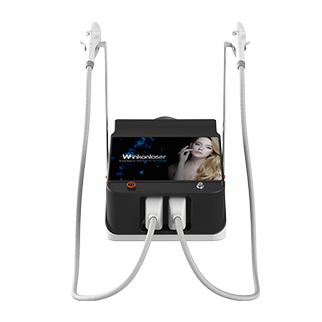
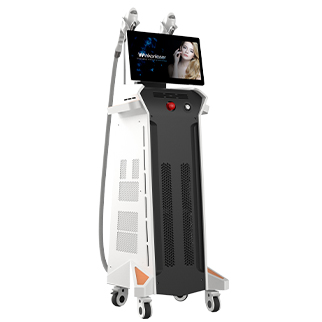
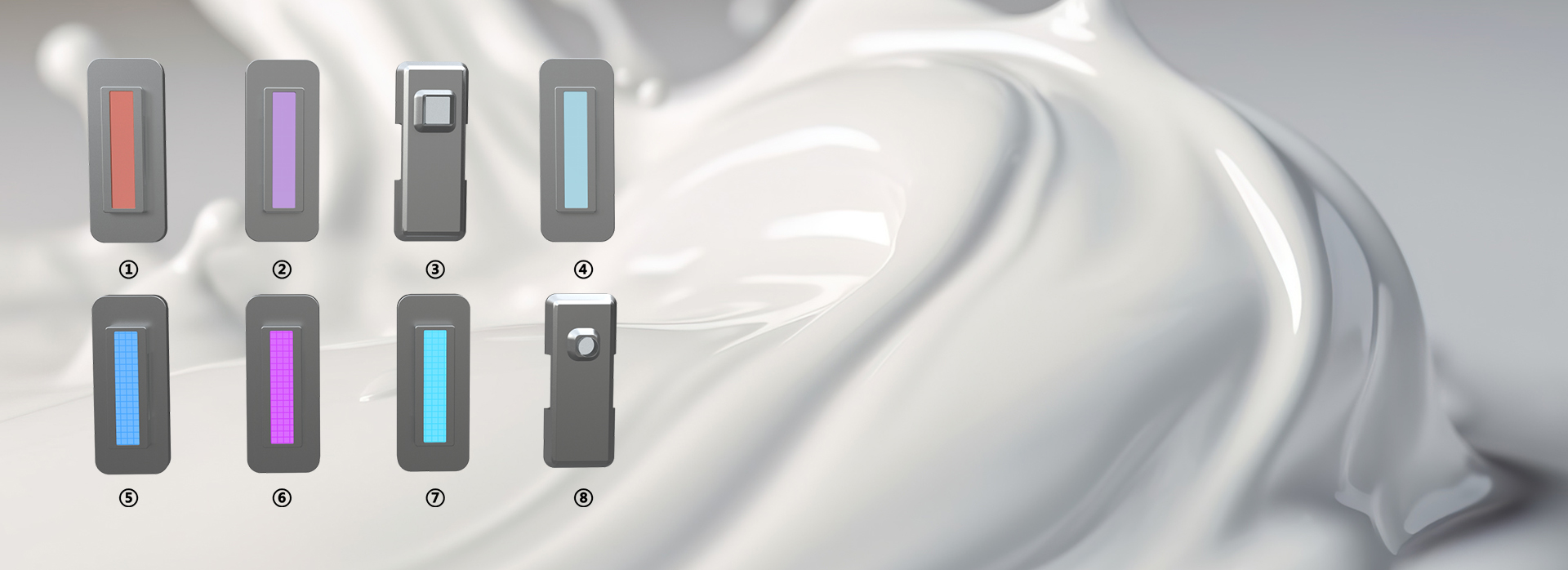
The Winkonlaser DRT10 is the NIR DPL platform I recommend most often. It combines DPL and NIR in a single system with multiple handpieces, allowing clinics to treat hair removal, pigmentation, acne, vascular lesions, and skin tightening — all from one investment.
Key specs: multiple DPL wavelength bands, NIR 900-1600nm handpiece, adjustable pulse duration and fluence, touchscreen interface, and built-in cooling for patient comfort.
Explore the full NIR DPL machine collection for complete specifications.
7. Frequently Asked Questions
Q: What is the difference between NIR DPL and traditional IPL?
A: Traditional IPL emits a broad spectrum (500-1200nm), like a floodlight. DPL narrows the spectrum into targeted bands — more like a focused beam. NIR (900-1600nm) penetrates deep into the dermis for collagen stimulation and skin tightening, which IPL cannot do effectively.
Q: How many sessions are needed for visible results?
A: Most patients see visible improvement after 3-4 sessions. Optimal results typically require 5-8 sessions spaced 2-4 weeks apart. Collagen remodeling from NIR continues for 3-6 months after the last session, so results keep improving even after treatment ends.
Q: Is NIR DPL treatment painful? Is there downtime?
A: Most patients describe the sensation as a warm, pulsed feeling — significantly more comfortable than traditional IPL. There is no downtime. Mild redness may appear for 30-60 minutes post-treatment. This makes NIR DPL ideal for lunchtime procedures in busy clinics.
Q: Can one machine really do both hair removal and skin tightening?
A: Yes. With different handpieces and settings, a single DRT10 system covers hair removal (DPL 640-950nm), pigmentation (DPL 500-600nm), acne therapy (DPL blue-violet + NIR), and skin tightening (NIR 900-1600nm). One machine replaces multiple dedicated devices.
Q: What should I look for when choosing an NIR DPL machine for my clinic?
A: Five factors matter most: (1) energy stability across the full treatment session, (2) cooling system quality for patient comfort, (3) parameter customization — pulse duration, fluence, and spot size, (4) handpiece versatility to cover multiple indications, and (5) manufacturer support and warranty. The DRT10 from Winkonlaser delivers on all five.
8. Ready to Add NIR DPL to Your Clinic?
NIR DPL technology bridges the gap between entry-level IPL and high-end laser systems. It delivers measurable results across a wider range of indications than either approach alone, and it does it at a price point that makes sense for growing clinics.
If you’re currently using IPL and wondering whether it’s time to upgrade, or if you want to add skin tightening to your service menu without investing in a dedicated HIFU or RF machine, NIR DPL is worth a serious look.
I’ve been in this industry for over 12 years, helping clinics pick the right equipment for their case mix. If you want to talk through whether NIR DPL fits your practice, contact our team for specifications and pricing.
Explore the full NIR DPL machine collection to see what’s available.