


Does the EMS Machine Really Work? The Honest Truth
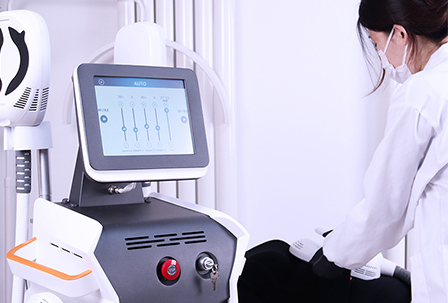
You’ve seen the ads. A client lies on a bed, pads strapped to their abs, scrolling their phone while a machine does the work. Twenty minutes later — magic? Or marketing?
I get asked this question almost every week. And the honest answer — the one you need if you’re thinking of buying an EMS machine for your clinic or spa — is more nuanced than a simple yes or no.
Let me give you the straight truth based on how the technology actually works, what the research says, and what I’ve seen from clinics that use these machines well versus those that don’t.
【Table of Contents】
- How EMS Technology Actually Works
- What the Science Says: Clinical Research on EMS
- What EMS Can Realistically Do (Real Results)
- What EMS Cannot Do (The Honest Limitations)
- EMS Before and After: A Realistic Timeline
- Who Should NOT Use EMS (Contraindications)
- EMS vs Other Body Contouring Technologies
- How to Choose a Quality EMS Machine for Your Clinic
- Frequently Asked Questions
- Final Verdict
1. How EMS Technology Actually Works
EMS stands for Electrical Muscle Stimulation. The concept is simple: electrodes placed on the skin deliver electrical impulses that cause your muscles to contract — the same way your brain sends signals to your muscles when you flex them voluntarily, just more intensely.
Here’s what most articles won’t tell you:
The key difference between EMS and what your body does naturally is recruitment. During voluntary exercise, your brain activates muscle fibers in a specific order — slow-twitch first, then fast-twitch as needed. EMS flips this. It recruits fast-twitch muscle fibers first and more efficiently.
Why does this matter? Fast-twitch fibers are the ones responsible for muscle growth (hypertrophy) and strength gains. They’re also harder to activate through normal exercise. A well-designed EMS protocol can stimulate up to 80–100% of muscle fibers in a treated area, compared to about 30–50% during voluntary contraction.
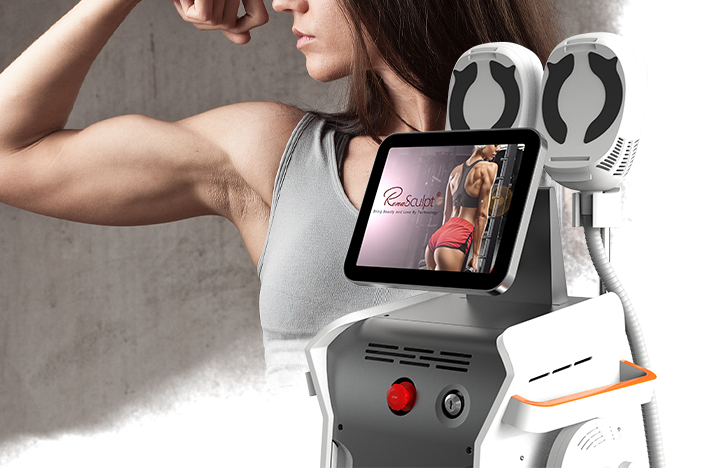
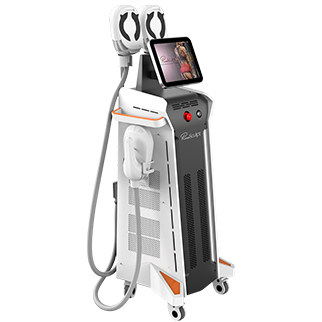
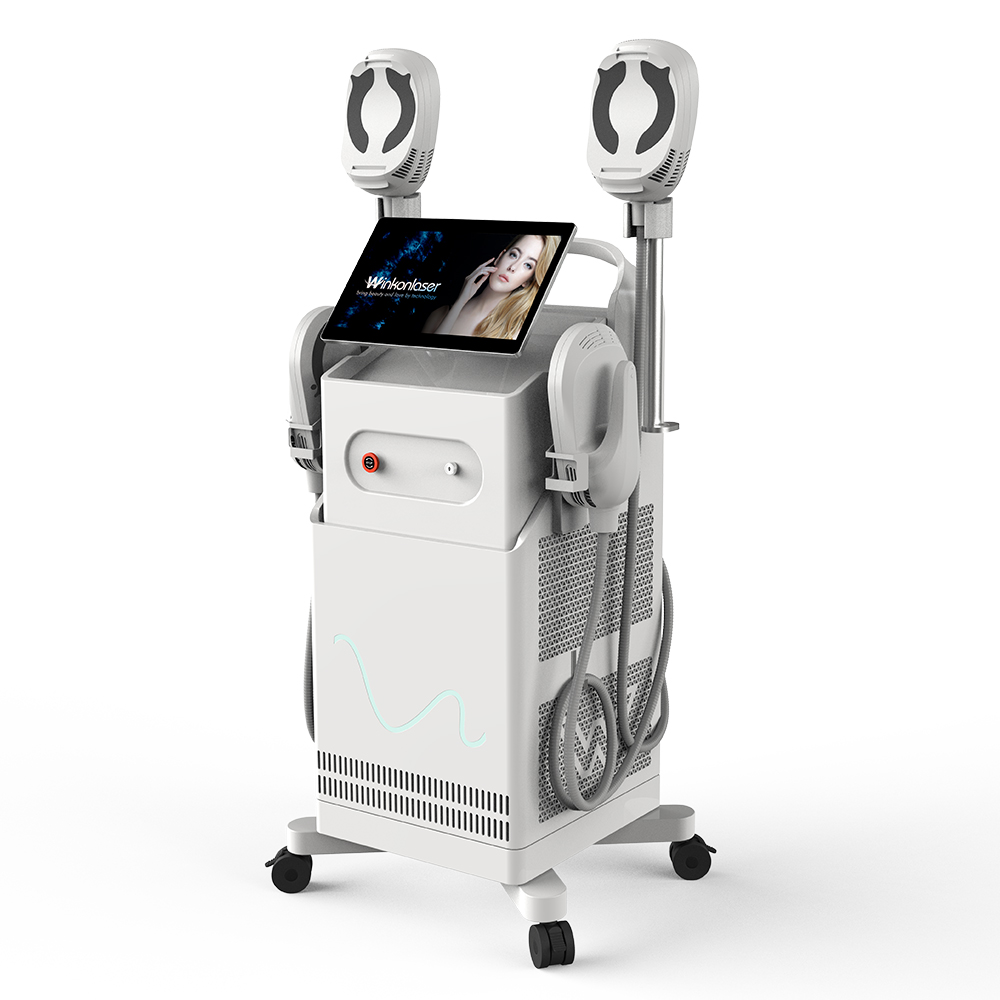
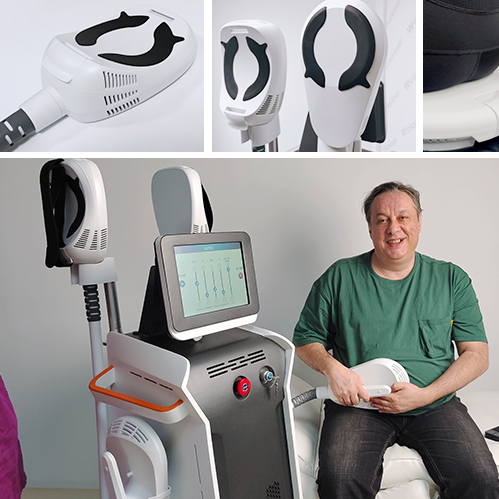
Modern EMS machines used in aesthetic clinics — like the Renasculpt FE60 from Winkonlaser — pair EMS with other modalities (commonly RF or heat therapy) in the same treatment head. This combination approach is where the real value lives.
2. What the Science Says: Clinical Research on EMS
I’ve read through a fair amount of the clinical literature on EMS, and here’s what the numbers actually show:
A 2019 study published in the Journal of Clinical Medicine examined high-intensity focused electromagnetic (HIFEM) technology — which is functionally similar to modern EMS — over 8 sessions. The results showed a 32% reduction in subcutaneous fat thickness and a 32% increase in muscle layer thickness in the treated abdominal area.
Another controlled trial published in the Journal of Drugs in Dermatology (2020) looked at a combined EMS + RF treatment protocol. After 6 sessions, participants showed an average waist circumference reduction of 4.9 cm. Muscle thickness increased by an average of 19%.
A 2022 systematic review in Aesthetic Surgery Journal analyzed 12 studies on electromagnetic muscle stimulation. Their conclusion: “Significant improvement in muscle firmness, waist circumference, and abdominal fat thickness” with consistent results across multiple independent studies.
The clinical evidence is not weak. It’s consistent. But — and this is important — these results came from multiple sessions, not one. And they came from protocols that used the right parameters.
3. What EMS Can Realistically Do (Real Results)
Let me split this into what EMS is genuinely good at versus what it’s marketed for.
EMS is genuinely effective for:
Muscle toning and strengthening. This is the primary, scientifically supported benefit. After 4–8 sessions, I’ve seen clients whose abdominal muscles are visibly more defined. One client who had two kids and struggled with diastasis recti (abdominal separation) reported that after 6 sessions she could finally feel her core engaging during pilates — something she hadn’t felt in three years.
Waist circumference reduction. The 3–5 cm average reduction you see in studies is real. But this isn’t all fat loss. Part of it is muscle-building. A stronger, thicker abdominal wall pulls everything inward. Your waist looks smaller because your core is literally tighter.
Improved muscle endurance. Clients consistently report feeling their core engage more easily in daily activities. Standing, walking, even sitting with better posture.
Skin tightening (when combined with RF). EMS alone doesn’t tighten skin significantly. But EMS + RF — like the FE60’s dual-head design — does. The RF component heats the dermis to stimulate collagen production. The EMS component rebuilds muscle underneath. Together, they address two causes of loose abdominal skin at once.
A real example: I had a client in her late 40s who lost about 10 kg through diet and exercise over 18 months. She was thrilled with the weight loss but frustrated by the loose skin on her lower belly. She’d done crunches, planks — everything. Her abs were stronger but the loose skin persisted. After 8 combined EMS + RF sessions on the abdominal area, she said the skin wasn’t “snapping back to 25” but there was a visible improvement. More importantly, she felt her clothes fit better and her confidence was up. That’s the realistic win.
4. What EMS Cannot Do (The Honest Limitations)
Yes, some studies show fat reduction with high-intensity electromagnetic treatments. The mechanism is real — supramaximal muscle contractions increase local metabolism and can induce adipocyte apoptosis (fat cell death). But the amount of fat you can lose from EMS alone is modest. You will not drop from 30% body fat to 20% body fat by lying on an EMS machine twice a week. That’s not how it works.
EMS cannot fix poor diet. This is the biggest disappointment I’ve seen in clinics. A client expects the EMS machine to cancel out their eating habits. It won’t. I’ve seen a client go through 8 sessions with minimal results, and when I asked about their diet, they admitted they were eating fast food for lunch most days. The machine was fighting a losing battle.
EMS cannot replace exercise. It complements it. The muscle-building effect is real, but it’s not as comprehensive as full-body resistance training. Think of EMS as an accelerator, not a replacement.
EMS cannot treat severe skin laxity alone. If your client has significant loose skin (post-pregnancy, post-massive weight loss), EMS alone will not tighten it enough. You need an RF component, or in extreme cases, surgical intervention.
EMS is not painless for everyone. Most people find the sensation intense but tolerable — like a deep muscle cramp that doesn’t hurt. But for some, especially those with a low pain threshold or anxiety about electrical stimulation, it can be uncomfortable enough that they won’t come back.
5. EMS Before and After: A Realistic Timeline
Here is what a real EMS treatment course looks like:
Session 1–2 (Weeks 1–2): You feel the muscle contractions strongly. Some soreness the next day — proof something is happening. No visible changes yet. Many clients question whether it’s working at this point.
Session 3–4 (Weeks 3–4): The first signs of change. Your clothes might feel slightly looser around the waist. Muscles feel firmer when you flex. Photos might start showing subtle differences.
Session 5–6 (Weeks 5–6): More noticeable changes. Waist measurement typically drops 2–4 cm total by this point. Muscle definition starts becoming visible. Clients who were skeptical start becoming believers.
Session 7–8 (Weeks 7–8): Peak results. Muscle layer thickness increases visibly. Waist circumference reduction plateaus. This is when you take the “after” photos for your portfolio.
Maintenance (Monthly after initial course): 1–2 sessions per month to retain results.
6. Who Should NOT Use EMS (Contraindications)
This section matters both for your clients’ safety and for your liability as a clinic operator.
EMS is contraindicated for:
- Pregnancy (or suspected pregnancy)
- People with pacemakers or implanted defibrillators
- Those with active epilepsy (electrical stimulation can trigger seizures)
- People with active thrombosis or thrombophlebitis
- Those with bleeding disorders or on anticoagulant medication
- People with metal implants in the treatment area
- Cancer patients with active tumors in the treatment area
- Those with severe cardiovascular disease
Relative contraindications (use with caution):
- Diabetes (especially with reduced sensation — risk of burns if the client can’t feel excessive heat)
- Skin conditions in the treatment area (eczema, psoriasis, open wounds)
- Recent surgery in the treatment area (wait minimum 3 months, ideally 6)
- Hernia (consult with a physician first)
I always tell clinics: run a contraindication checklist before every session. Not just the first one. Conditions change. Clients forget to mention things. One client didn’t mention their hernia because “it wasn’t bothering them that day.” That session was stopped immediately.
7. EMS vs Other Body Contouring Technologies
How does EMS stack up against the alternatives your clients will ask about?
EMS vs Cryolipolysis (CoolSculpting): Cryolipolysis freezes fat cells, which then die and are naturally eliminated by the body. It’s a fat-reduction-only technology. EMS builds muscle and can reduce fat modestly. They’re complementary, not competitive. If a client has stubborn fat deposits, cryo is more targeted for removal. If they want muscle tone and definition, EMS wins.
EMS vs RF (Radiofrequency): RF heats the dermis and subcutaneous tissue to stimulate collagen and tighten skin. It does very little for muscle. EMS builds muscle but does less for skin tightening. Together (like in the FE60’s combined head), they cover each other’s weaknesses.
EMS vs HIFEM (High-Intensity Focused Electromagnetic): This is a distinction without much difference for most buyers. Mid-range EMS machines and HIFEM devices share the same underlying principle: supramaximal muscle contraction. Some HIFEM devices claim to be more powerful, but for most aesthetic applications, a well-designed EMS machine with adjustable intensity levels achieves comparable clinical outcomes.
EMS vs Exercise: No contest for overall health, calorie burn, cardiovascular fitness. Exercise wins. But EMS targets specific muscle groups with a depth of contraction that people often can’t achieve voluntarily, especially post-pregnancy or after injury. The ideal approach: exercise for overall fitness, EMS for targeted muscle accentuation.
8. How to Choose a Quality EMS Machine for Your Clinic
If you’ve read this far and you’re considering adding EMS to your clinic offerings, here’s what to look for:
- Adjustable intensity levels. A good machine lets you dial in the exact intensity for each client individually. One-size-fits-all protocols don’t work.
- Built-in RF or dual-function heads. EMS alone is good. EMS + RF in the same session is dramatically better. The combination saves time and delivers superior results.
- Multiple treatment modes. Different body areas respond best to different frequencies and pulse patterns. Your machine should offer multiple programs.
- Client safety features. Automatic shut-off, overheat protection, and FDA or CE certification. Never compromise on safety.
- Training and support. The best EMS machine in the world produces poor results if your staff doesn’t know how to use it properly. Look for a supplier that provides training resources and ongoing support.
- Warranty and reliability. Aesthetics equipment is a business investment. Check the warranty terms and ask about average machine lifespan.
The Renasculpt FE60 (https://www.winkonlaser.com/product/fe60/) is one example of a combined EMS + RF machine that ticks these boxes. It’s not the only good machine on the market, but it’s a solid reference point for what a modern, well-designed EMS device should offer.
9. Frequently Asked Questions
Q: Does EMS burn fat?
A: EMS primarily builds muscle. Some fat reduction does occur through increased local metabolism and adipocyte apoptosis during high-intensity protocols, but the effect is modest compared to cryolipolysis or surgical fat removal. Think of EMS as a muscle-toning tool that provides mild fat reduction as a secondary benefit.
Q: How many EMS sessions do I need to see results?
A: Most clients see initial changes after 3–4 sessions. Peak results come after 6–8 sessions, typically once or twice per week. Maintenance is recommended at 1–2 sessions per month after the initial course.
Q: Is EMS painful?
A: Most describe it as intense but not painful — like a deep, involuntary muscle contraction. The sensation is unusual at first but most clients adapt within 1–2 sessions. The intensity is adjustable, and you should always start at a comfortable level.
Q: Can EMS help with post-pregnancy belly?
A: Yes, but with realistic expectations. EMS can help rebuild abdominal muscle strength after pregnancy, including addressing mild diastasis recti (abdominal separation). For significant loose skin, combining EMS with RF (radiofrequency) is much more effective than EMS alone. Always consult a physician before starting any treatment after pregnancy.
Q: Does EMS have side effects?
A: Side effects are generally mild and temporary. The most common are muscle soreness (like after an intense workout), temporary skin redness at the electrode sites, and mild fatigue. Serious side effects are very rare when used correctly and with proper contraindication screening.
Q: Can I use EMS if I work out regularly?
A: Absolutely. EMS is complementary to exercise, not a replacement. Many athletes and fitness enthusiasts use EMS to target specific muscle groups that are harder to activate through exercise alone. It’s particularly good for breaking through plateaus.
Q: How long do EMS results last?
A: Results are not permanent. Without maintenance sessions, muscle gradually returns to baseline over 3–6 months. Lifestyle factors — diet, exercise, overall activity level — significantly affect how long results persist. Maintenance sessions of 1–2 times per month help retain results long-term.
Q: Is EMS safe for the face?
A: Facial EMS exists and is used for facial muscle toning, but the protocols and devices are different from body EMS. Standard body EMS machines are not designed for facial use. Use a dedicated facial EMS device if that’s your goal.
10. Final Verdict
So, does the EMS machine really work?
Yes — for muscle toning, waist circumference reduction, and improved muscle definition. The clinical evidence supports it, and I’ve seen consistent results in real-world clinic settings.
No — it is not a magic fat-loss solution. It cannot replace diet and exercise. It cannot fix severe skin laxity on its own. And it will not work for everyone at the same level.
The clinics that succeed with EMS are the ones that:
- Set honest expectations from the first consultation
- Combine EMS with other modalities (especially RF)
- Use high-quality equipment with adjustable protocols
- Screen clients properly for contraindications
- Recommend complementary lifestyle changes
The ones that fail are those that oversell, underdeliver, and treat EMS as a standalone miracle cure.
If you’re considering adding an EMS machine to your clinic, go in with your eyes open. The technology is proven, the results are real, and the business opportunity is solid — but only if you position it honestly and use it well.
Ready to explore EMS machines for your clinic?
Contact us (https://www.winkonlaser.com/contact/) to discuss your needs, or take a look at the Renasculpt FE60 (https://www.winkonlaser.com/product/fe60/) to see what a modern combined EMS + RF device looks like.
Want to read more about EMS body sculpting? Check out our related article: Is EMS Good for Losing Weight?
-2.jpg "710-750(FE60)-2")